 DonkeyEquus africanus asinus
Equids
Equids are mammals in the family Equidae, including horses, donkeys and zebras. Ponies are horses with size and other characteristics associated with particular breeds or types. Equids have hooves, limbs adapted for movement and plant-based diets.
Which animals are equids?
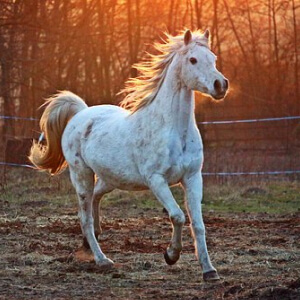
- Horses: domestic animals with many breeds that vary widely in size and appearance.
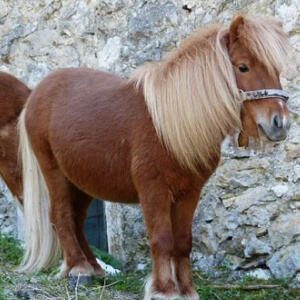
- Ponies: types of horse, rather than young horses or a separate species.
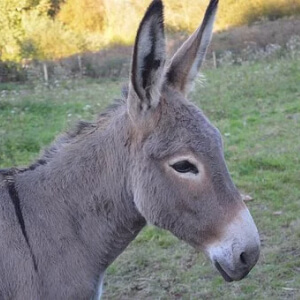
- Donkeys: domestic equids with long ears and adaptations inherited from ancestors in dry regions.
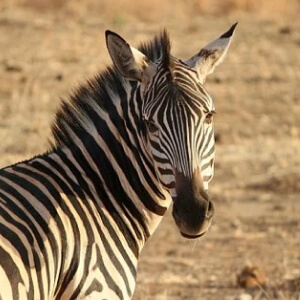
- Zebras: wild African equids recognised by striped coats. There are several zebra species.
Food and shared traits
Equids are herbivores. They mainly eat grasses, with the proportion of leaves and other plant parts varying by species and available resources. Their teeth help cut and grind plant food.
Each limb bears weight on one functional digit protected by a hoof. Long limbs aid movement, but speed and endurance differ among equids.
Domestic and wild animals
Domestic horses and donkeys have long histories alongside people. Zebras are wild animals, despite some similarities to horses.
Social organisation varies among species and populations. Some zebras form family groups, while others have more fluid associations. Equids communicate through calls, ear positions, posture and movement.
Frequently asked questions
Which animals are equids?
Horses, donkeys and zebras belong to Equidae. Ponies are types of horse.
Is a pony a young horse?
No. A pony is a type of small horse and can be fully grown. A young horse is called a foal.
Are zebras domestic horses with stripes?
No. They are distinct wild equids related to horses and donkeys.
Sources: Mammal Diversity Database — Equidae · University of Michigan — Equidae · San Diego Zoo — zebra