
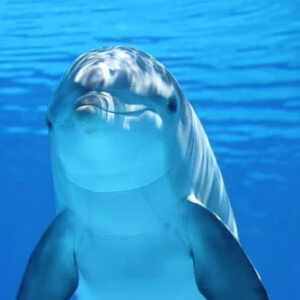
 DolphinDelphinidae and several river-dolphin lineages
Animals that hunt in groups
Wolves, lions, spotted hyenas and some dolphin and killer whale populations can hunt in groups. Cooperation may help animals approach, pursue or surround prey.
Examples of cooperative hunting
- Wolves: pack members can pursue large prey together.
- Lions: they may hunt together, but individual hunts also occur. Participation varies with circumstances.
- Spotted hyenas: they can cooperate when catching large prey and hunt smaller animals alone.
- Common dolphins: in some places, several individuals herd schooling fish into tight groups near the surface.
- Killer whales: techniques differ among populations and prey types, sometimes involving coordinated actions by several animals.
What does cooperation involve?
One participant’s actions can help others capture prey. Some animals pursue prey while others limit its escape routes. Roles can change from one hunt to the next.
Prey, terrain, water conditions, experience and group size affect a hunt. Many hunts still fail.
How is group living different?
A herd of plant-eaters lives together without hunting. Predators seen feeding together may simply have found the same carcass.
Behaviour must be linked to the species and situation observed. Other hyena species may behave differently from spotted hyenas, and each killer whale population has its own techniques.
Frequently asked questions
Which animals can hunt in groups?
Wolves, lions, spotted hyenas and some dolphin and killer whale populations show documented cooperative hunting.
Do all group-living animals hunt together?
No. Some eat plants, while others find or catch food individually. Social living and cooperative hunting are different behaviours.
Does group hunting always succeed?
No. Success depends on prey, habitat, experience and other factors.
Sources: San Diego Zoo — wolf · San Diego Zoo — lion · San Diego Zoo — spotted hyena · New Zealand Department of Conservation — common dolphin research · NOAA Fisheries — killer whale
DolphinDelphinidae and several river-dolphin lineages
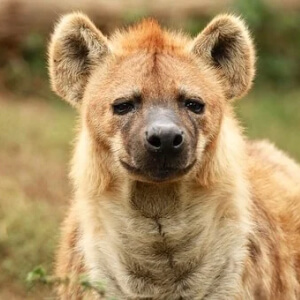 HyenaHyaenidae
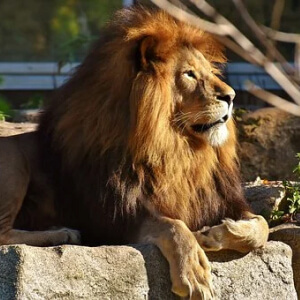 LionPanthera leo
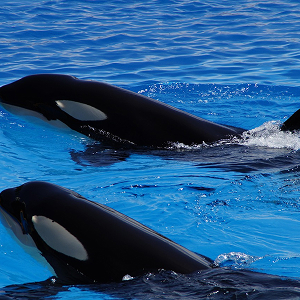 OrcaOrcinus orca
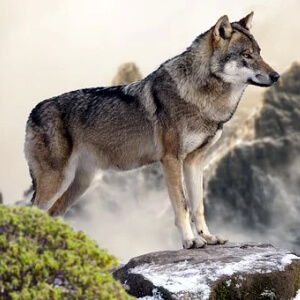 WolfCanis lupus