 CrabBrachyura
Animals with blue blood
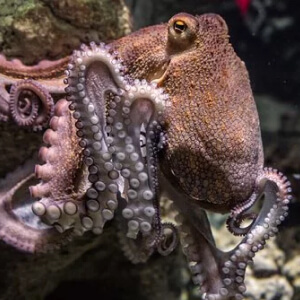
Octopuses, cuttlefish, lobsters, crayfish and many crabs have circulating fluid that can turn bluish when carrying oxygen. The colour comes from haemocyanin, a copper-containing protein.
Why does it turn blue?
Haemocyanin binds oxygen and transports it to tissues. It turns blue when oxygenated; without bound oxygen, the colour is much weaker or the fluid may appear colourless.
The colour changes with oxygenation. The same animal’s circulating fluid can therefore look different depending on how much oxygen is bound to haemocyanin.
Examples of blue-blooded animals
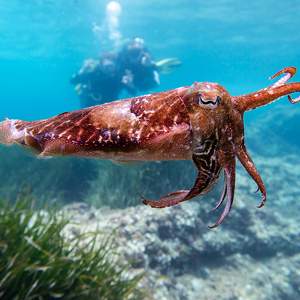
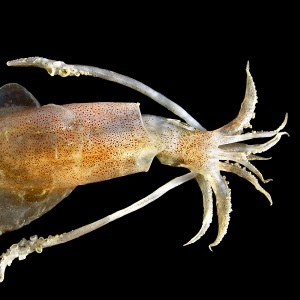
- Octopuses and cuttlefish: these cephalopod molluscs use haemocyanin.
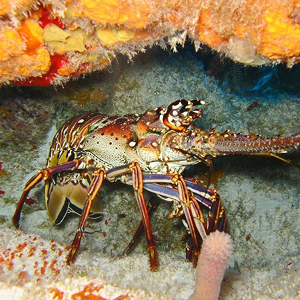
- Lobsters: circulating fluid can be nearly colourless before oxygenation and bluish afterwards.
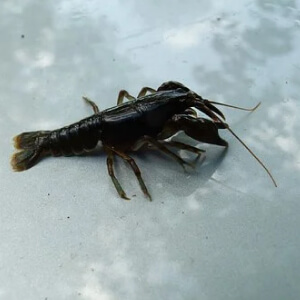
- Freshwater crayfish: haemocyanin occurs in their circulating fluid.
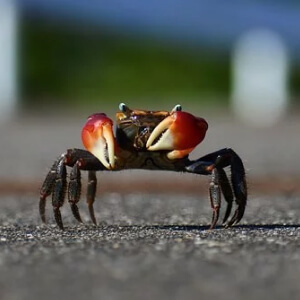
- Many crabs: they use this protein to transport oxygen; the blue crab is a studied example.
What is haemolymph?
In crustaceans, the circulating fluid is called haemolymph. Their circulatory system differs from ours. “Blue blood” is a familiar expression, while haemolymph is the term used for crabs, crayfish and lobsters.
The fluid’s colour is separate from shell or skin colour. A lobster need not have a blue body to use haemocyanin.
Frequently asked questions
What makes these animals’ blood blue?
Haemocyanin, a copper-containing protein that turns blue when it binds oxygen.
Is lobster blood always blue?
No. Its appearance depends on oxygenation; the fluid can be nearly colourless before oxygen binds to haemocyanin.
Does a blue-blooded animal have a blue body?
Not necessarily. Circulating fluid colour is separate from skin or shell colour.
Sources: Smithsonian Ocean — cephalopod blood · NOAA Fisheries — lobster blood · Research — crab haemocyanin · Research — crayfish haemocyanin