Catalan SheepdogCharacteristics, history, training and care
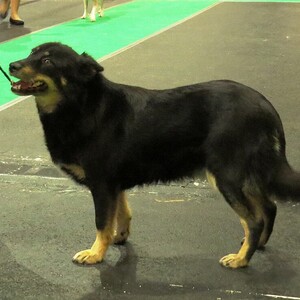
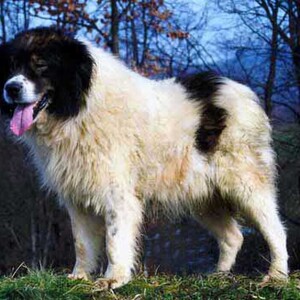
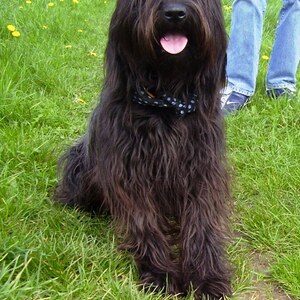
Gos d'Atura Català · Donnamosa / Wikimedia Commons, CC BY-SA 3.0. Cropped and resized.
The Catalan Sheepdog, or Gos d'Atura Català, is a medium-sized dog from the Catalan Pyrenees, with a long coat, a beard and a moustache. It is an excellent herding dog that leads the flock on its own initiative. It is calm, intelligent and devoted, but reserved with strangers.
Quick facts
| Common name | Gos d'Atura Català (Catalan Sheepdog) |
| Scientific name | Canis lupus familiaris |
| Country of origin | Spain (Catalonia) |
| Official recognition | FCI, definitively since 30 November 1954 (group 1, sheepdogs; standard no. 87) |
| Lifespan | No published data for the breed; medium-sized breeds usually live 10–13 years |
| Size (males) | 47–55 cm at the withers |
| Size (females) | 45–53 cm at the withers |
| Weight | about 20–25 kg |
| Coat type | Long, flat or slightly wavy, harsh, with an abundant undercoat; beard and moustache |
| Common colours | Fawn, sable or grey, in light, medium and dark shades |
| Energy level | High |
| Suited to an apartment? | Not really; it needs plenty of exercise |
| Temperament | Calm, active, intelligent, devoted, reserved with strangers |
| Tendency to aggression | Low |
| Good with children | Good with the family |
| Good with other animals | Good |
| Genetic predispositions | No breed-specific diseases are known |
- Primary category:Dog breeds
- Explore this animal's categories:
History and origin
The Catalan Sheepdog comes from the Catalan Pyrenees and later spread to all the pastoral areas of the region. Wikipedia says it descends from the old population of long-haired sheepdogs of the Pyrenees, which also gave rise to the Pyrenean Sheepdog and the Basque Shepherd Dog.
It was recognised as a breed when the Spanish Kennel Club was founded, in 1911. It was used mainly for driving sheep and horses, and today it is also kept as a companion animal.
How the breed developed
- 1911 – It is recognised as a breed when the Spanish Kennel Club is founded.
- 1929 – The first breed standard is written.
- 30 November 1954 – The FCI recognises the breed.
- 1982 – A new standard is prepared, published on 26 May 1982.
- 1984 – The Club del Gos d'Atura Català is founded.
Breed rating
| Feature | Stars |
|---|---|
| Training and intelligence | ★★★★☆ |
| Easy to train | ★★★★☆ |
| Intelligence | ★★★★☆ |
| Independence | ★★★★☆ |
| Stubbornness | ★★★☆☆ |
| Behaviour and temperament | ★★★★☆ |
| Affectionate with family | ★★★★★ |
| Friendly with children | ★★★★☆ |
| Good with other dogs | ★★★★☆ |
| Good with cats and other animals | ★★★☆☆ |
| Loyalty | ★★★★★ |
| Tendency to be aggressive | ★☆☆☆☆ |
| Tendency to bark | ★★★☆☆ |
| Needs and care | ★★★☆☆ |
| Shedding | ★★★☆☆ |
| Needs frequent grooming | ★★★☆☆ |
| Activity and lifestyle | ★★★★☆ |
| Energy level | ★★★★★ |
| Daily exercise needs | ★★★★★ |
| Suited to apartment life | ★★☆☆☆ |
| Health and longevity | ★★★★☆ |
| Life expectancy | ★★★★☆ |
| Predisposition to genetic diseases | ★★☆☆☆ |
| Working abilities and uses | ★★★★★ |
| Good sheepdog | ★★★★★ |
| Good companion dog | ★★★★☆ |
Indicative rating: 5 stars means the highest level. The breed has no AKC profile; the rating is based on the FCI standard (“very calm, active, intelligent, devoted to the shepherd”).
Physical characteristics
It is a medium-sized, well-proportioned dog, slightly longer than it is tall, with a beautiful coat. The head is strong, with a beard, moustache, topknot and eyebrows that do not obstruct its vision.
General appearance
The round, dark amber eyes have an alert, intelligent look. The triangular ears, covered with long hair, hang close to the head. The tail may be long, short or absent from birth; at rest it has a hook at the tip.
| Feature | Catalan Sheepdog |
|---|---|
| Size | Medium |
| Height at the withers | males: 47–55 cm; females: 45–53 cm |
| Weight | about 20–25 kg |
| Coat | Long, harsh, with an abundant undercoat |
| Eyes | Round, dark amber |
| Tail | Long, short or absent from birth |
From a distance the dog looks a single colour. Close up, you can see that the coat is a mix of fawn, reddish-brown, grey, black and white hairs. The mix produces the basic colours: fawn, sable and grey, from silver grey to grey-black. White or black patches are not accepted.
Training and socialisation
The standard says its true nature shows when herding: it not only obeys the shepherd but also takes the initiative itself, leading the flock with ease and stopping any animal from straying from the others.
It is very devoted to the shepherd and the flock, but reserved with strangers, which sometimes makes it seem unsociable.
Tips for effective training
- Give it a job. Herding, agility or obedience keep it happy.
- Socialise it. Meeting new people helps it become more open.
- Use rewards. It is intelligent and learns quickly.
- Be consistent. It has initiative and may make its own rules.
Activity needs and lifestyle
It is an active herding dog, highly resistant to heat, cold and any weather. It needs plenty of daily exercise and mental activity.
| Activity | How often | Why it matters |
|---|---|---|
| Long walks or running | daily | Burns off energy |
| Herding or dog sports | weekly | Uses its herding instinct |
| Brain games | daily | It is very intelligent |
Tips for a balanced life
- It suits active families.
- The yard must be fenced.
- The standard says a very frugal diet is enough for it, even for hard work.
Care and health
Coat and skin care
The long coat should be brushed once or twice a week. Moulting happens in two stages: first the hair on the front half falls out, so it looks as if it has “two halves” with different coats; then the hair on the back half falls out.
Common health problems
There are no known hereditary diseases specific to the breed. Annual veterinary check-ups and parasite control remain important.
Other care
- Clean the beard and moustache after meals.
- Check that the eyes are not covered by hair.
- Look for burrs and ticks in the long coat.
Diet and nutrition
The standard says a very frugal diet is enough for it to work in extreme conditions. So be careful not to overfeed it.
Tips for a healthy diet
The table gives a starting estimate, calculated with the formula from the Merck Veterinary Manual. The first two calorie columns show the calories per day for a healthy adult dog. The last column shows what this means in dry food with 3,500–4,000 kcal per kilogram.
| Dog's weight | Calories per day (neutered) | Calories per day (not neutered) | Dry food per day (approximate) |
|---|---|---|---|
| 20 kg | 1,060 kcal | 1,190 kcal | 260–340 g |
| 23 kg | 1,180 kcal | 1,320 kcal | 300–380 g |
| 25 kg | 1,250 kcal | 1,410 kcal | 310–400 g |
- Give it its food in two meals a day.
- Training treats count towards the daily portion.
- A dog is at the right weight when you can feel its ribs without pressing hard.
Foods to avoid
Some human foods are dangerous for dogs: chocolate, coffee, grapes and raisins, onions, garlic, xylitol (a sweetener used in chewing gum), macadamia nuts and alcohol.
Reproduction and development
Physical and emotional maturity
In dogs, sexual maturity usually comes between 6 and 12 months. Most breeds become adults at around 13–15 months.
Mating and pregnancy
Pregnancy lasts about 63 days, counted from ovulation. Mating a female on her first heat is not recommended. The FCI standard requires that only healthy dogs of typical breed appearance are used for breeding.
Caring for the puppies
In dogs, a litter has 5–6 puppies on average, and the number rises with the size of the breed. Socialisation starts in the first weeks: gentle handling, everyday noises and new people.
Interesting facts
- It moults in two stages. For a while it looks like a dog with two different coats, front and back.
- It leads the flock by itself. The standard says it takes the initiative and keeps the flock together without help.
- It looks a single colour. Close up, the coat is a mix of hairs in five colours.
- It has dewclaws. The standard disqualifies dogs without dewclaws (the extra toes).
- There is also a short-haired variety. Wikipedia says the short-haired variety has almost disappeared.
Frequently asked questions
What does “Gos d'Atura Català” mean?
In Catalan it means “Catalan sheepdog”.
How big does it get?
Males measure 47–55 cm and females 45–53 cm; they weigh about 20–25 kg.
Is it a good family dog?
Yes, it is devoted to the family, but reserved with strangers and needs plenty of exercise.
Does it shed a lot?
Yes, and moulting happens in two stages: first the front half, then the back half.