Galgo EspañolCharacteristics, history, training and care
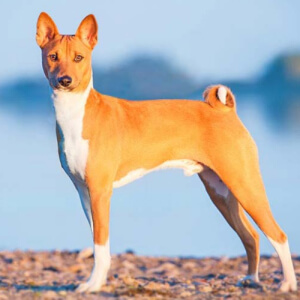
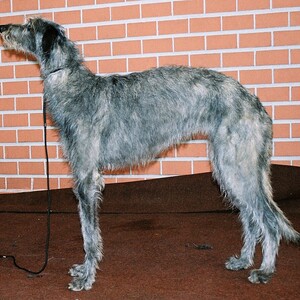
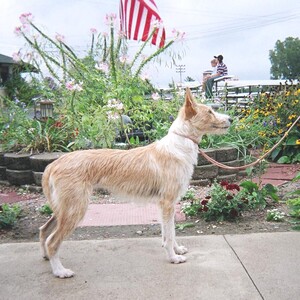
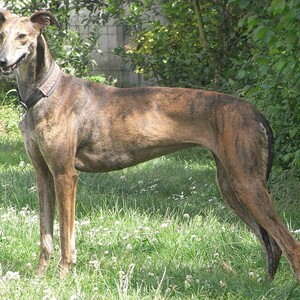
Galgo Español. · Tux-Man / Wikimedia Commons, CC0 (public domain). Cropped and resized.
The Galgo Español is the sighthound of Spain, a slender, fast dog bred specifically for coursing hares on the steppes and plains. It has been known since Antiquity and may be one of the ancestors of the English Greyhound. At home it is serious and sometimes reserved, but when hunting it becomes an energetic and lively hunter.
Quick facts
| Common name | Galgo Español (Spanish Greyhound) |
| Scientific name | Canis lupus familiaris |
| Country of origin | Spain |
| Official recognition | FCI, definitively since 10 August 1971 (group 10, short-haired sighthounds; standard no. 285) |
| Lifespan | No published data for the breed; sighthounds usually live 12–14 years |
| Size (males) | 62–70 cm at the withers (+2 cm for perfectly proportioned dogs) |
| Size (females) | 60–68 cm at the withers |
| Coat type | Short, very fine and dense; there is also a rough-coated, medium-length variety with a beard and moustache |
| Common colours | All colours; the most typical: fawn and brindle, black |
| Energy level | Moderate at home, very high when running |
| Suited to an apartment? | It can adapt, if it has somewhere to run |
| Temperament | Serious, sometimes reserved; an energetic hunter |
| Tendency to aggression | Low |
| Good with children | Good, with calm children |
| Good with other animals | Good with dogs; very strong instinct to chase small animals |
| Genetic predispositions | No known breed-specific diseases; sensitive to cold |
- Primary category:Dog breeds
- Explore this animal's categories:
History and origin
The FCI standard says the Spanish Greyhound has been known since Antiquity, from Roman times, although it probably reached the Iberian Peninsula much earlier. It descends from the ancient Asian sighthounds and adapted to the steppes and plains of Spain. Between the 16th and 18th centuries it was exported in large numbers to Ireland and England.
Wikipedia says the name probably comes from the Latin “Canis Gallicus”, meaning “the dog from Gaul”. Arrian, a Roman proconsul in southern Spain in the 2nd century, described a hare hunt very similar to today's, with a Celtic sighthound called the “vertragus”, possibly the ancestor of the Galgo.
How the breed developed
- Antiquity – The Romans know the sighthounds of the Iberian Peninsula.
- 2nd century – Arrian describes hare coursing with sighthounds in southern Spain.
- 16th–18th centuries – Spanish sighthounds are exported to Ireland and England.
- 10 August 1971 – The FCI recognises the breed.
- 26 May 1982 – The current FCI standard is published.
Breed rating
| Feature | Stars |
|---|---|
| Training and intelligence | ★★★☆☆ |
| Easy to train | ★★★☆☆ |
| Intelligence | ★★★★☆ |
| Independence | ★★★★☆ |
| Stubbornness | ★★★☆☆ |
| Behaviour and temperament | ★★★★☆ |
| Affectionate with family | ★★★★☆ |
| Friendly with children | ★★★★☆ |
| Good with other dogs | ★★★★☆ |
| Good with cats and other animals | ★☆☆☆☆ |
| Loyalty | ★★★★☆ |
| Tendency to be aggressive | ★☆☆☆☆ |
| Tendency to bark | ★☆☆☆☆ |
| Needs and care | ★★★★☆ |
| Shedding | ★★☆☆☆ |
| Needs frequent grooming | ★☆☆☆☆ |
| Activity and lifestyle | ★★★★☆ |
| Energy level | ★★★☆☆ |
| Daily exercise needs | ★★★★☆ |
| Suited to apartment life | ★★★★☆ |
| Health and longevity | ★★★★☆ |
| Life expectancy | ★★★★☆ |
| Predisposition to genetic diseases | ★★☆☆☆ |
| Working abilities and uses | ★★★★☆ |
| Good hunting dog | ★★★★☆ |
| Good companion dog | ★★★★☆ |
Indicative rating: 5 stars means the highest level. The breed has no AKC profile; the rating is based on the FCI standard (“serious and sometimes reserved temperament; an energetic and lively hunter”).
Physical characteristics
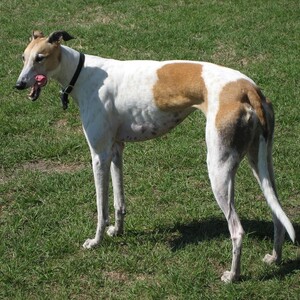
The Galgo is a slender sighthound with a long body, deep chest and long legs, built for speed and stamina in open country. The head is long, lean and fleshless.
General appearance
The standard says the muzzle is slightly longer than the skull (a ratio of 6 to 5). The short, fine coat covers the whole body. The rough-coated, medium-length variety has a beard, moustache, eyebrows and a topknot.
| Feature | Galgo Español |
|---|---|
| Size | Large |
| Height at the withers | males: 62–70 cm; females: 60–68 cm |
| Coat | Short and fine or rough and medium-length |
| Head | Long and lean |
| Body | Slender, with a deep chest |
| Type | Sighthound |
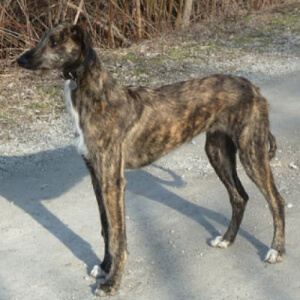
The standard accepts all colours. The most typical, in order of preference, are fawn and brindle of a more or less dark shade, black and pied black.
Training and socialisation
The standard describes it as having a serious and sometimes reserved temperament, but when hunting it becomes an energetic and lively hunter.
Like any sighthound, it chases by sight anything that moves fast. Recall is hard to guarantee, so it should be let off the lead only in fully fenced areas. It responds well to gentleness and rewards.
Tips for effective training
- Let it off the lead only in fenced areas. If it sees a hare, it will run after it.
- Be gentle. Sighthounds are sensitive to harshness.
- Be careful with cats and small animals. It has a very strong chase instinct.
- Give it a soft bed. Sighthounds have little fat and prominent bones.
Activity needs and lifestyle
As a sighthound, it needs regular chances to run free at speed in a safe space. Otherwise it is usually quiet at home.
| Activity | How often | Why it matters |
|---|---|---|
| Walks on the lead | daily | Basic exercise |
| Sprinting in a fenced area | several times a week | Its need for speed |
| Lure coursing | occasionally | Chase instinct |
Tips for a balanced life
- In winter it may need a coat: it has a fine coat and little fat.
- The fence must be high and have no gaps.
- Keep it on the lead near roads.
Care and health
Coat and skin care
The short, fine coat is very easy to care for, with a rubber grooming mitt once a week. The rough-coated variety needs brushing a little more often.
Common health problems
The sources used contain no published health studies for the breed. As with any sighthound, the following are worth watching:
| Condition | Description | Common symptoms |
|---|---|---|
| Gastric dilatation-volvulus (bloat) | The stomach fills with gas and may twist; this is a veterinary emergency | Swollen belly, trying to vomit without success, drooling, restlessness |
| Skin injuries | The thin skin is easily scratched when running | Scratches, cuts |
Other care
- Check the skin and paws after running.
- Brush its teeth regularly.
- Trim the nails when they start to touch the floor.
Diet and nutrition
A sighthound should stay slim: the last ribs are easily visible. The portion should be adjusted to its exercise and weight.
Tips for a healthy diet
The table gives a starting estimate, calculated with the formula from the Merck Veterinary Manual. The first two calorie columns show the calories per day for a healthy adult dog. The last column shows what this means in dry food with 3,500–4,000 kcal per kilogram.
| Dog's weight | Calories per day (neutered) | Calories per day (not neutered) | Dry food per day (approximate) |
|---|---|---|---|
| 23 kg | 1,180 kcal | 1,320 kcal | 300–380 g |
| 27 kg | 1,330 kcal | 1,490 kcal | 330–430 g |
| 30 kg | 1,440 kcal | 1,620 kcal | 360–460 g |
- Split the food into two meals a day to reduce the risk of bloat.
- Do not let it run right after a meal.
- In sighthounds, the ribs can easily be felt and seen at the right weight.
Foods to avoid
Some human foods are dangerous for dogs: chocolate, coffee, grapes and raisins, onions, garlic, xylitol (a sweetener used in chewing gum), macadamia nuts and alcohol.
Reproduction and development
Physical and emotional maturity
In dogs, sexual maturity usually comes between 6 and 12 months, but in large breeds it can be delayed until about two years. The body also reaches its adult form later than in small breeds.
Mating and pregnancy
Pregnancy lasts about 63 days, counted from ovulation. Mating a female on her first heat is not recommended. The FCI standard requires that only healthy dogs of typical breed appearance are used for breeding.
Caring for the puppies
In large breeds, a litter has around 7 puppies on average. Socialisation starts in the first weeks: gentle handling, everyday noises and new people.
Interesting facts
- An ancestor of the Greyhound. The standard says it is one of the ancestors of the English Greyhound.
- Named after Gaul. Wikipedia says “galgo” probably comes from “Canis Gallicus”.
- Described by a Roman. Arrian described hunting with sighthounds in southern Spain in the 2nd century.
- Two coat types. There are short-haired and rough-haired Galgos.
- The hare is quickly caught. The Archpriest of Hita wrote that “the hare that runs is quickly caught by the greyhound”.
In popular culture
In old Spanish literature
The FCI standard quotes a line by the Archpriest of Hita, a Spanish poet of the Middle Ages: “the hare that runs is quickly caught by the greyhound”. The quotation shows that hare coursing with sighthounds was already common in Spain at that time.
Frequently asked questions
How does it differ from the Greyhound?
They are different breeds. The standard says the Galgo is one of the ancestors of the Greyhound, and Wikipedia says that in the 20th century some breeders crossed them for racing.
How big does it get?
Males measure 62–70 cm, females 60–68 cm at the withers.
Can it be let off the lead?
Only in fully fenced areas, because it chases anything that moves fast.
Is it a family dog?
Yes, it is quiet at home, but it needs to run regularly.