Spanish BulldogCharacteristics, history, training and care
The Spanish Bulldog, or Alano Español, is a Spanish working dog historically associated with cattle handling, hunting and guarding. National breed recognition and international kennel recognition are separate matters.
Quick facts
| Common name | Spanish Bulldog (Alano Español) |
| Scientific name | Canis lupus familiaris |
| Country of origin | Spain |
| Official Recognition | Recognised nationally by the Real Sociedad Canina de España (RSCE) |
| Typical lifespan | About 11-14 years |
| Dimensions (Male) | About 58-65 cm / 30-40 kg |
| Dimensions (Female) | About 55-60 cm / 25-35 kg |
| Coat type | Short, thick and rough-feeling |
| Common colours | Brindle, fawn, red, black, often with a black mask |
| Energy Level | High |
| Suitable for an apartment? | Depends on exercise, training, health and the individual dog |
| Temperament | Brave, loyal, protective |
| Behaviour towards unfamiliar people and dogs | Individual behaviour varies; socialisation, training and management matter |
| Compatibility with children | Depends on the individual; adult supervision and suitable handling are essential |
| Compatibility with other animals | Depends on socialisation, prey drive and the animals involved |
| Health considerations | Hip dysplasia, joint problems, bloat |
- Primary category:Dog breeds
- Explore this animal's categories:
History and Origin
The Spanish Bulldog, or Alano Español, is an old Spanish working breed, used for centuries for hunting big game, handling half-wild cattle and guarding farms.
Evolution of the breed
- Old origins - According to tradition, the breed's ancestors came to Spain with the Alans, a people who arrived in the Iberian Peninsula in the 5th century; this link is not proven.
- Working dog - It was used to catch and hold wild boar, deer and half-wild cattle, and to guard farms; the 14th-century hunting book Libro de la Montería describes alano dogs.
- Near extinction - In the 20th century, the use of dogs in bullfights was banned and the need for catch dogs fell, so the Alano became extremely rare.
- Recovery - From the 1970s and 1980s, Spanish enthusiasts searched for the remaining dogs and started a programme to preserve the breed.
Breed Evaluation
The Spanish Bulldog (Alano Español) is a strong, independent and protective dog, suitable for people with experience of large dogs. These are general editorial ratings, not measured scores; individual dogs vary.
| Characteristic | Stars |
|---|---|
| Training and Intelligence | ★★★☆☆ |
| Easy to train | ★★★☆☆ |
| Intelligence | ★★★★☆ |
| Level of independence | ★★★★★ |
| Level of stubbornness | ★★★★☆ |
| Behavior and Temperament | ★★★★☆ |
| Affectionate with family | ★★★★★ |
| Friendly with children | ★★★★☆ |
| Compatible with other dogs | ★★★☆☆ |
| Compatible with cats and other animals | ★★☆☆☆ |
| Degree of loyalty | ★★★★★ |
| Tendency to be aggressive | ★★★☆☆ |
| Tendency to bark | ★★☆☆☆ |
| Needs and Care | ★★★☆☆ |
| Shedding level | ★★★☆☆ |
| Requires frequent care | ★★☆☆☆ |
| Activity and Lifestyle | ★★★★★ |
| Energy level | ★★★★★ |
| Daily exercise requirement | ★★★★★ |
| Suitable for apartment living | ★☆☆☆☆ |
| Health and Longevity | ★★★★☆ |
| Life expectancy | ★★★★☆ |
| Predisposition to genetic diseases | ★★★☆☆ |
| Work and Utility Features | ★★★★★ |
| Good guard dog | ★★★★★ |
| Good companion dog | ★★★★☆ |
Physical Characteristics
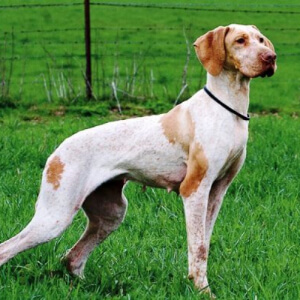
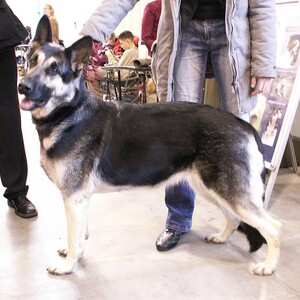
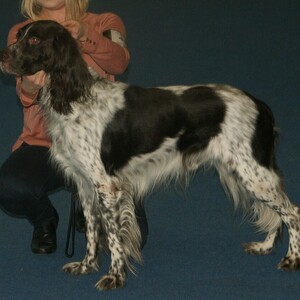
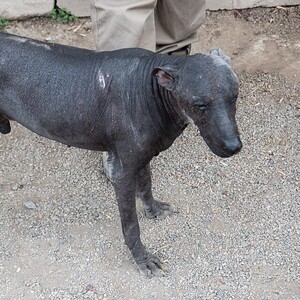
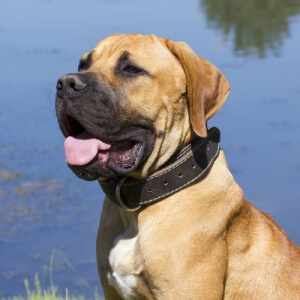
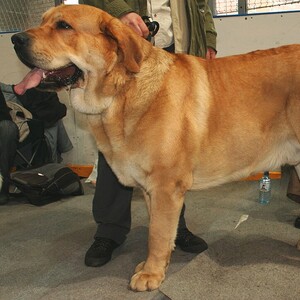
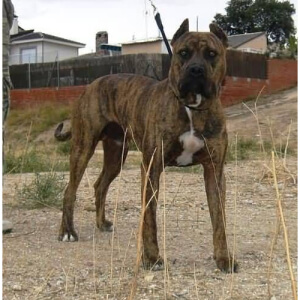
The Alano Español is a large, muscular, very tough dog, more athletic and longer-legged than most bulldogs.
General appearance
- A strong, athletic body, more agile than that of heavier bulldogs.
- A short, thick, rough-feeling coat that protects it in different weather.
- A large, broad head with a short but not flat muzzle and powerful jaws.
- Small to medium ears, folded ("rose" ears), sometimes cropped where this is legal.
- A long, thick tail, carried low.
- Brown or amber eyes with a calm but watchful expression.
| Characteristic | Spanish Bulldog (Alano Español) |
|---|---|
| Size | Large (about 55-65 cm at the shoulder) |
| Weight | About 25-40 kg |
| Coat | Short, thick |
| Muzzle | Broad, short but not flat |
| Shedding tendency | Moderate |
| Build | Strong, muscular, athletic |
The Alano Español is a powerful, impressive dog with a strong personality, suited to owners who can give it consistent training and leadership.
Training and Socialization
The Alano Español is intelligent but independent, so training must be consistent and structured. With its natural protective instinct and strong character, it is not suited to inexperienced owners.
Tips for effective training
- Start early - Training should begin at about 8-10 weeks to set clear rules and build a good relationship with the owner.
- A calm, confident owner - The Alano responds best to a consistent, experienced handler.
- Wide socialisation - Meeting new situations, people and animals is essential to prevent over-protective reactions.
- Rewards and clear rules - It responds well to positive training, combined with clear, consistent limits.
- Managing the protective instinct - It must learn to tell real threats from normal situations, so it is not aggressive with strangers.
The Alano Español is not recommended for beginners, but with good training and socialisation it becomes a balanced guardian and a loyal companion.
Activity and Lifestyle Needs
The Alano Español is an active, hardy breed that needs daily exercise and mental stimulation.
| Activity | Recommended duration |
|---|---|
| Daily walks | About 60-90 min |
| Interactive games | About 30 min |
| Obedience training | About 15-20 min |
| Dog sports (weight pulling, tracking) | A few times a week |
Recommendations for a balanced lifestyle
- Not ideal for apartments - This breed needs space and a securely fenced garden.
- Needs a regular routine - Too little exercise can lead to frustration and destructive behaviour.
- Enjoys mental challenges - It likes retrieving games, puzzles and obedience training.
- A natural guardian - It will patrol its territory and react to danger, so it must be well socialised.
The Alano Español is a working, protective dog that needs regular exercise and an active owner.
Care and Health
The Alano Español is generally a hardy, healthy breed, but some problems should be monitored.
Fur and skin care
- Weekly brushing - The short coat needs brushing about once a week.
- Baths only when needed - Frequent washing can remove the skin's natural protection.
- Skin checks - It may get skin irritation or allergies, especially after long exposure to damp.
Common health problems
| Condition | Description | Common symptoms |
|---|---|---|
| Hip dysplasia | Abnormal development of the hip joint | Lameness, stiff gait |
| Elbow dysplasia and arthritis | Joint problems, especially in older dogs | Stiffness, difficulty walking |
| Bloat | The stomach swells and may twist; an emergency in large, deep-chested dogs | Swollen belly, restlessness, drooling |
| Injuries | Working dogs can be hurt by large animals | Wounds, limping |
Other aspects of care
- Weekly ear and eye checks - help prevent infections and irritation.
- Weight control - The Alano has a big appetite, so it must stay active to prevent obesity.
- Regular veterinary visits - Yearly check-ups are recommended.
The Alano Español is generally healthy, but it needs attention to its joints and diet.
Diet and Nutrition
The Alano Español needs a balanced diet with good-quality protein to maintain its muscles and energy.
Recommendations for a healthy diet
Choose a complete, balanced diet suited to age, size and health. Plan home-prepared diets and supplements with a qualified veterinarian; raw pet food can carry harmful bacteria.
| Food type | Daily Amount (Adults) | Frequency |
|---|---|---|
| Premium dry food | Individual amount; follow a complete diet’s guidance and veterinary advice | 2 meals/day |
| Home cooked food | Individual amount; follow complete-food guidance and veterinary advice | 2 meals/day |
| Raw food: bacterial contamination is a concern | Individual amount; follow complete-food guidance and veterinary advice | 2 meals/day |
Forbidden foods
Chocolate, grapes and raisins, onions and xylitol - toxic to dogs. / Cooked bones - can splinter and cause intestinal blockage. / Fatty or fried foods - can upset digestion and cause pancreatitis. / Overfeeding - the Alano can gain weight quickly, which strains the joints and heart.
The Alano Español should get a balanced diet in measured portions to avoid joint and digestive problems.
Reproduction and Development
Breeding requires veterinary planning, suitable health screening and care for the mother and puppies. Pregnancy and birth can involve complications.
Physical and emotional maturity
- Physical maturity: The Alano reaches adult height at about 12-18 months, but continues to fill out until about 2 years.
- Emotional maturity: It usually becomes more settled at about 2-3 years; until then it can be playful and strong-willed.
Mating and Gestation
- Breeding decisions require veterinary assessment of maturity, health and suitable screening; reaching a fixed age does not establish that breeding is appropriate.
- Duration of gestation: Approximately 58-68 days, usually about 63 days.
- Average number of puppies: Usually about 6-10 puppies.
Puppy care
- The first 3 weeks: Puppies depend completely on their mother for warmth, milk and protection.
- Between 4-8 weeks: They begin to explore and should meet many different sights, sounds and people.
- Moving to a new home: When puppies go to their new homes, basic training should begin so they learn house rules.
The Alano Español grows quickly, and early socialisation is essential for a balanced adult.
Curiosities and Interesting Facts
- Medieval references — The Spanish canine organisation RSCE traces references to the Alano Español to the 14th century. The dogs have been used to handle cattle and hunt large game.
- Bullfight dogs - In the past, alanos were used in bullfights to catch bulls; this practice was banned long ago.
- In Goya's art - The painter Francisco de Goya showed dogs attacking a bull in one of the prints of his Tauromaquia series.
- Catch dogs - Even today, some alanos in Spain are used to help handle half-wild cattle and to hunt wild boar.
- A rare breed - The Alano Español is still rare, with a small number of dedicated breeders.
- Quiet but alert - It does not bark much, but it is very watchful and will react if it senses a threat.
- Very strong - Its powerful muscles make it a capable catch dog and weight puller.
The Dog in Popular Culture
The Alano Español is less known than the English or American Bulldog, but it has an important place in Spanish history and art.
Spanish Bulldog in Modern Media and Culture
- Art and history - Dogs like the Alano appear in old Spanish hunting books and in prints and paintings of bullfights and hunts.
- A rediscovered breed - After being almost forgotten, the breed has been rediscovered and preserved in recent decades.
Importance in modern culture
- A respected guardian - Because of its strong guarding instinct, the Alano is chosen by people who want a loyal, powerful dog.
- A true working breed - The Alano is still selected mainly for working ability rather than looks.
- The Alano Español has a Spanish national breed standard. National registration does not automatically establish recognition by every international organisation.