
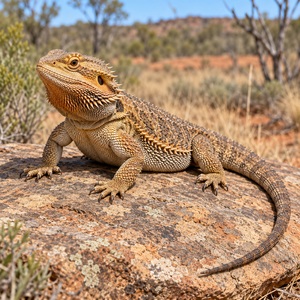
 Bearded dragonPogona vitticeps
Animals that change colour
Chameleons, octopuses and cuttlefish can change their skin colour. This ability can help with camouflage or communication, but its mechanisms and roles differ between animals.
Which animals change colour?
- Chameleons: changes can signal to other chameleons and relate to temperature or the animal’s condition, rather than simply hiding.
- Octopuses: skin colours and patterns can change, sometimes alongside texture, to blend into surroundings or create a visual signal.
- Cuttlefish: spots, bands and other skin patterns can vary with the situation.
How does colour change work?
In octopuses and cuttlefish, chromatophores are pigment-containing skin structures. Muscles expand or shrink their visible area. Other structures reflect light and contribute to the overall appearance.
Chameleons use pigments and structures that affect light reflection. They cannot reproduce every colour or pattern around them; their abilities differ between species.
What else can colour change do?
An animal may become more noticeable. Colours can play a part in encounters between individuals, including competition and courtship.
Arctic foxes can change coat appearance through seasonal moulting. This differs from physiological changes in the skin of chameleons and cephalopods.
Frequently asked questions
Do chameleons change colour only to hide?
No. Changes can play a role in communication and relate to temperature or the animal's condition.
Do octopuses and cuttlefish use skin pigments?
Yes. Chromatophores contain pigment, and changes in their visible area help alter skin appearance.
Does every camouflaged animal change colour?
No. A permanent coat or feather pattern can provide camouflage without active colour change.
Sources: San Diego Zoo — chameleons · Smithsonian Ocean — cephalopods
Bearded dragonPogona vitticeps
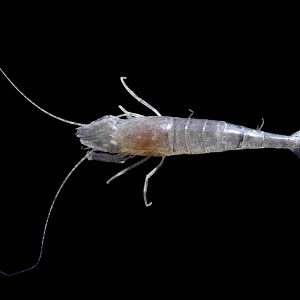 Brown shrimpCrangon crangon
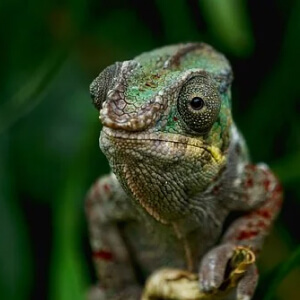 ChameleonChamaeleonidae
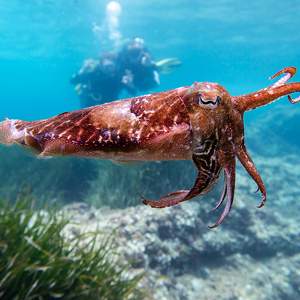 CuttlefishSepiida
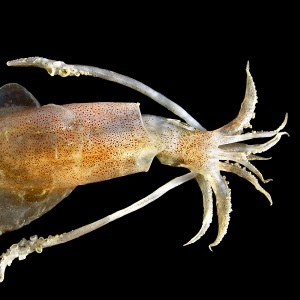 European squidLoligo vulgaris
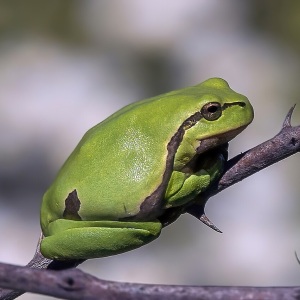 European tree frogHyla arborea
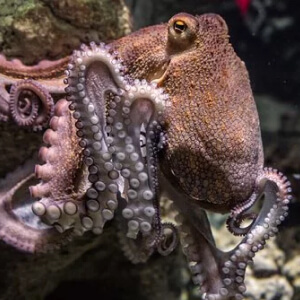 OctopusOctopoda