
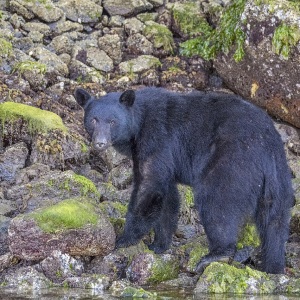
 American black bearUrsus americanus
Solitary animals
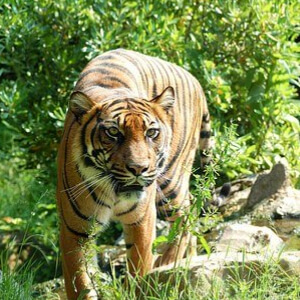
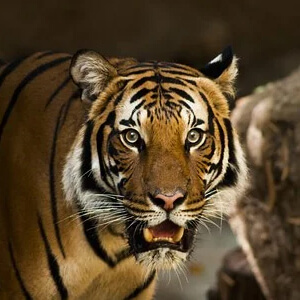
Tigers, leopards, jaguars, pumas and fossas are examples of animals with a mainly solitary lifestyle. Many adults forage and travel alone but meet to breed. Females may remain with dependent young for long periods.
Examples of solitary animals
- Tigers and leopards: adults use territories or home ranges and usually hunt individually.
- Jaguars, pumas and snow leopards: they generally live individually, with associations related to breeding and raising young.
- Brown and polar bears: adults are often alone, while mothers with cubs are a different situation.
- Giant anteaters, sloths and fossas: their lifestyles differ, but they do not normally form permanent groups of adults.
- Orangutans: semi-solitary is a better description. Mothers and young have lasting bonds, and temporary adult associations also occur.
Using space separately
Space use and access to food vary with species and habitat. Where food is scattered, it can be easier to search for it alone. In predators, individual hunting may be linked to how they approach prey.
Solitary animals still communicate. Scents, calls and other signs can pass information between animals that rarely meet.
Meetings and exceptions
Brown bears can gather temporarily where food is abundant, such as rivers with salmon. In many cats, mothers and young stay together until the young become independent.
Each animal behaves a little differently. Age, sex, breeding and local resources influence how frequently they meet.
Frequently asked questions
What does solitary mean in animals?
It describes animals that mainly carry out everyday activities alone, without a permanent adult group. They still meet others, for example to breed.
Do solitary females stay alone after giving birth?
Not necessarily. In many solitary mammals, mothers care for their young until they become independent.
Are orangutans completely isolated?
No. Semi-solitary is more accurate: mothers and young have strong bonds, while other associations vary among species and situations.
Sources: San Diego Zoo — leopard · San Diego Zoo — tiger · San Diego Zoo — orangutan · San Diego Zoo — brown bear · San Diego Zoo — polar bear
American black bearUrsus americanus
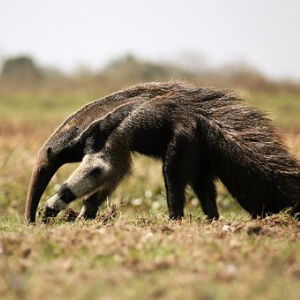 AnteaterVermilingua
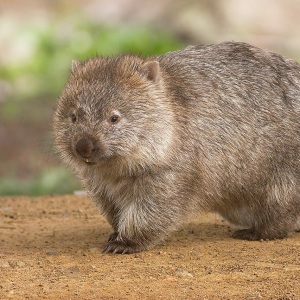 Bare-nosed wombatVombatus ursinus
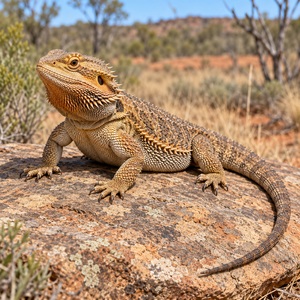 Bearded dragonPogona vitticeps
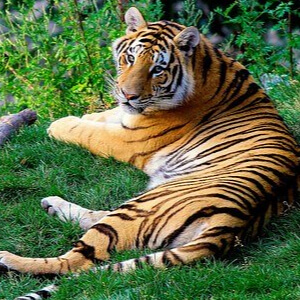 Bengal tigerPanthera tigris
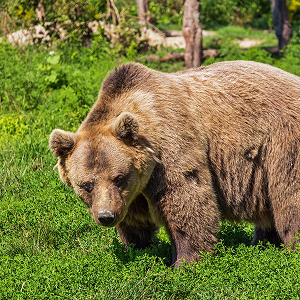 Brown bearUrsus arctos
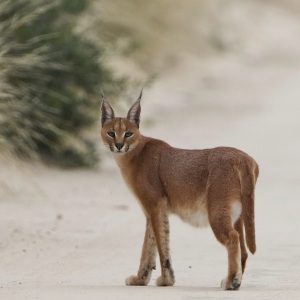 CaracalCaracal caracal
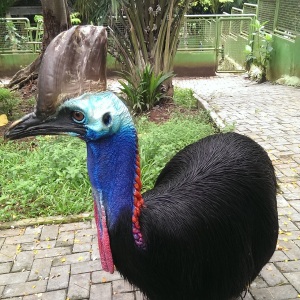 CassowaryCasuarius
 Common kingfisherAlcedo atthis
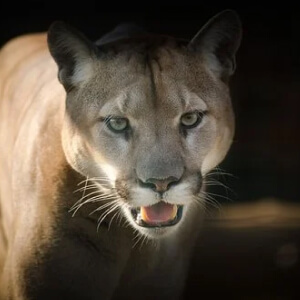 CougarPuma concolor
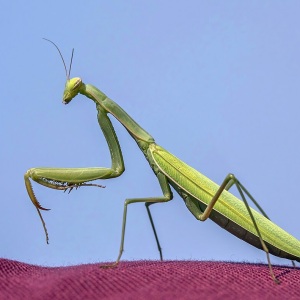 European mantisMantis religiosa
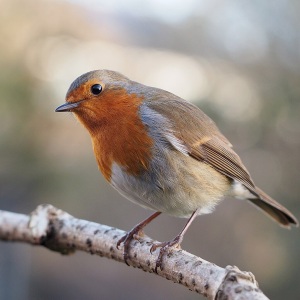 European robinErithacus rubecula
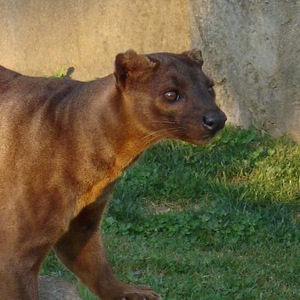 FossaCryptoprocta ferox
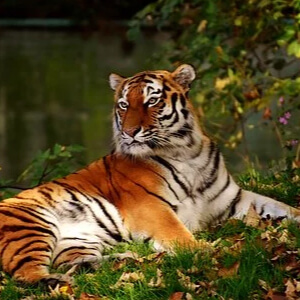 Indochinese tigerPanthera tigris
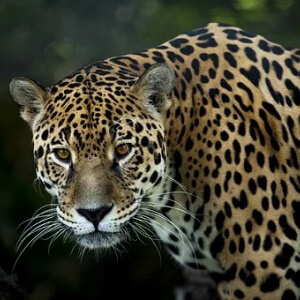 JaguarPanthera onca
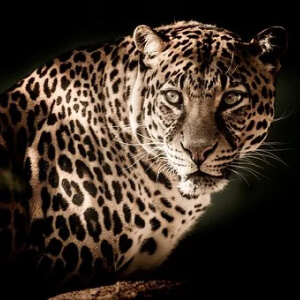 LeopardPanthera pardus
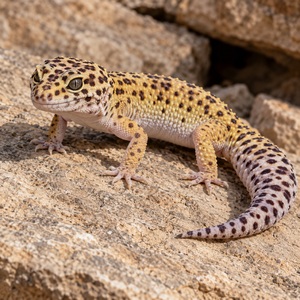 Leopard geckoEublepharis macularius
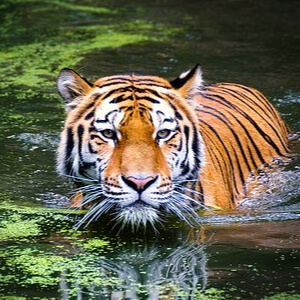 Malayan tigerPanthera tigris
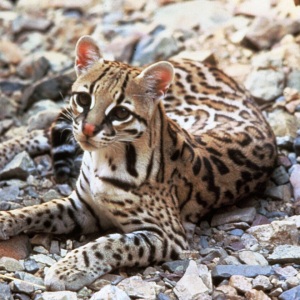 OcelotLeopardus pardalis
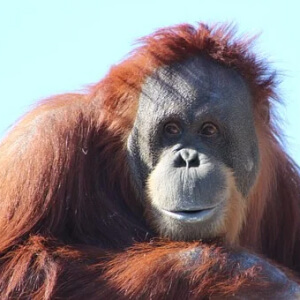 OrangutanPongo pygmaeus, Pongo abelii and Pongo tapanuliensis
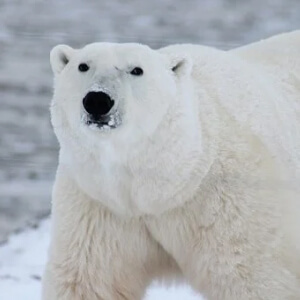 Polar bearUrsus maritimus
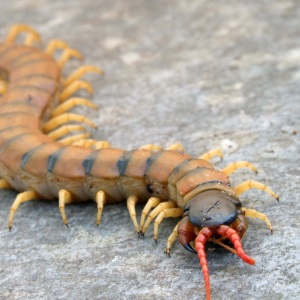 Scolopendra centipedeScolopendra
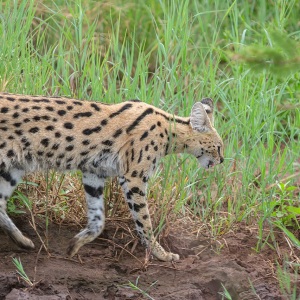 ServalLeptailurus serval
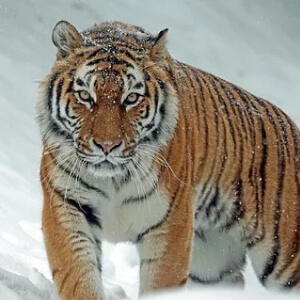 Siberian tigerPanthera tigris
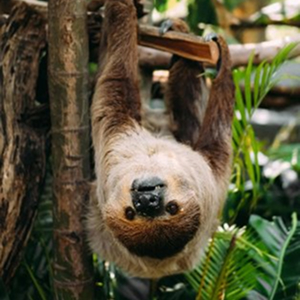 SlothFolivora
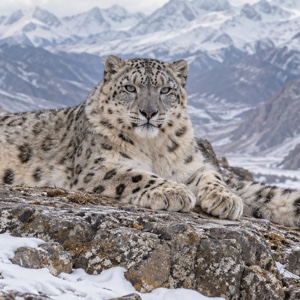 Snow leopardPanthera uncia
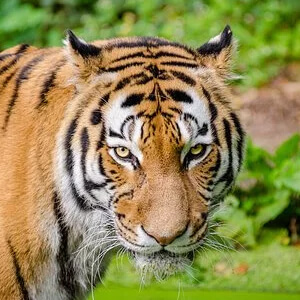 South China tigerPanthera tigris
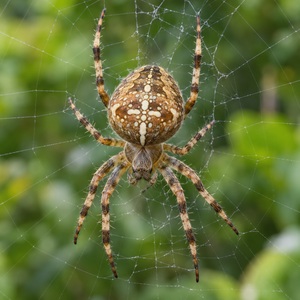 SpidersAraneae
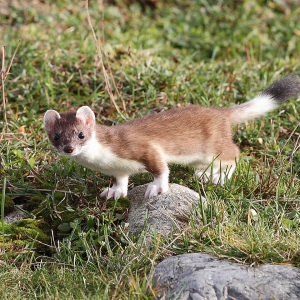 StoatMustela erminea
 Sumatran tigerPanthera tigris
 TigerPanthera tigris
 WolverineGulo gulo