 Andean condorVultur gryphus
Birds with unusual beaks
Toucans, pelicans, flamingos and kiwi have beaks with remarkable shapes and functions. Different structures help birds catch, filter or find food.
Eight examples and their uses
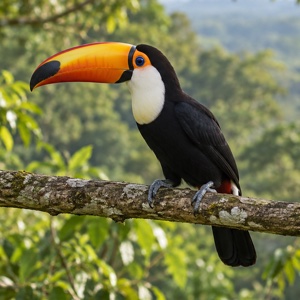
- Toucans: large, relatively light bills help gather fruit. In toco toucans, they also release heat.
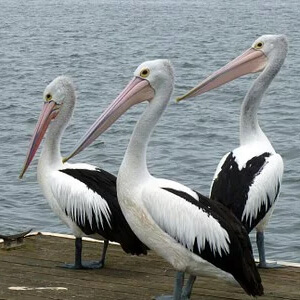
- Pelicans: an expandable pouch beneath the bill helps capture food. Water drains before fish are swallowed.
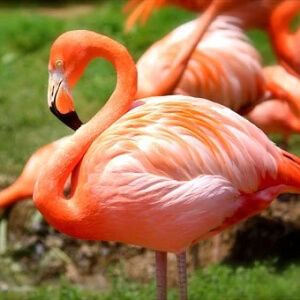
- Flamingos: fine structures in the bent bill help filter food from water.
- Hummingbirds: elongated bills vary between species and help reach into flowers; the tongue collects nectar.
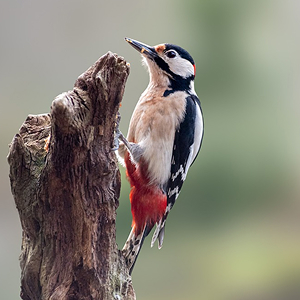
- Woodpeckers: many have robust bills that work like chisels in wood.
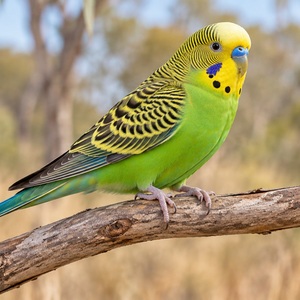
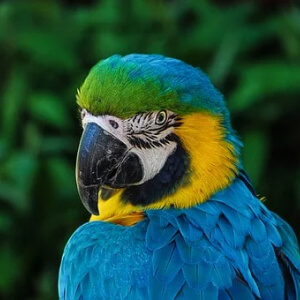
- Parrots: strong, curved beaks help open seeds and hard-shelled fruit.
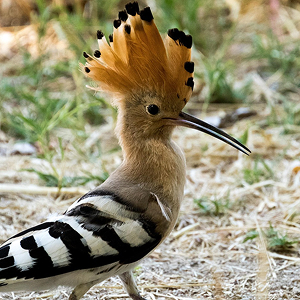
- Hoopoes: long, curved bills probe soil for invertebrates.
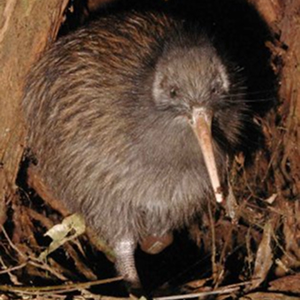
- Kiwi: long bills have nostrils near the tip, associated with a well-developed sense of smell.
Beaks and food are closely connected
Filtering food requires different structures from cracking seeds. Length, curvature and internal features influence how a bird finds and handles food.
Related birds can still have different bills and diets. Hummingbird bills vary considerably.
Frequently asked questions
What is a toucan’s large bill used for?
It helps gather food; in toco toucans it can also release heat.
Do pelicans store fish in their pouches for long periods?
The pouch helps capture food. Water drains and the fish is then swallowed.
What is unusual about a kiwi’s bill?
It is long and has nostrils near the tip, associated with finding food by smell.
Sources: San Diego Zoo — toucans · University of Michigan — great white pelican · San Diego Zoo — flamingos · San Diego Zoo — hummingbirds · Cornell Lab — woodpecker bills · San Diego Zoo — parrots · RSPB — Eurasian hoopoe · San Diego Zoo — kiwi · Research — heat exchange in the toco toucan bill