
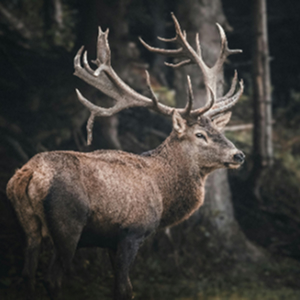
 Carpathian red deerCervus elaphus
Cervids
Cervids are mammals in the deer family, Cervidae, including red deer, roe deer, moose and reindeer. They are plant-eating ruminants, with species adapted to forests, wetlands, tundra and other habitats. Body size and lifestyle vary widely.
Examples of cervids
- Red deer: Cervus elaphus occurs in Romania as well as other regions. Deer is also a broad name for the family.
- Roe deer: males and females belong to the same species, Capreolus capreolus.
- Moose: large cervids found in northern parts of the Northern Hemisphere.
- Reindeer: adapted to cold climates, with populations using tundra and boreal forests.
- Carpathian red deer: red deer from the Carpathian region, rather than a completely separate family or species.
How do antlers grow?
Antlers are bony structures that are shed and regrown, usually every year. During growth they are covered by blood-rich velvet. The timing differs among species and populations.
In most species, males carry antlers. Reindeer are a familiar exception because females can also grow them. Not every cervid has antlers, and their shapes differ among animals.
Food and differences from bovids
Cervids eat plant material such as leaves, shoots, grasses and other available foods. Rumination and digestive microorganisms help process plants. Diet varies with species, habitat and season.
Chamois, cattle, bison and antelopes are bovids rather than cervids. Horned bovids have a bony core covered with keratin, and their horns are generally permanent.
Frequently asked questions
Which animals are cervids?
Red deer, roe deer, moose and reindeer belong to the family Cervidae.
Are male and female roe deer different species?
No. Both are members of the species Capreolus capreolus.
Can female cervids have antlers?
Female reindeer can grow antlers. In most other deer species, antlers are carried by males.
Sources: Mammal Diversity Database — Cervidae · National Park Service — horns and antlers · San Diego Zoo — reindeer
Carpathian red deerCervus elaphus
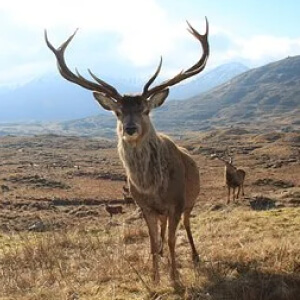 DeerCervidae
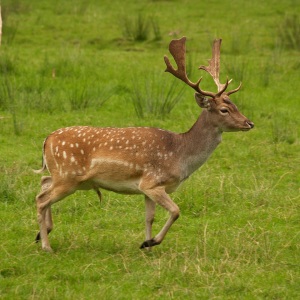 Fallow deerDama dama
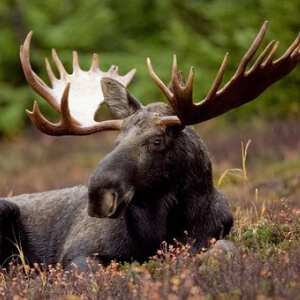 MooseAlces alces
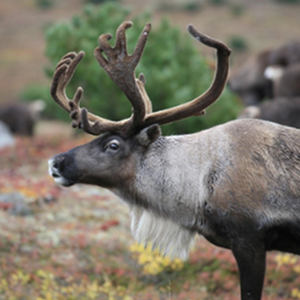 ReindeerRangifer tarandus
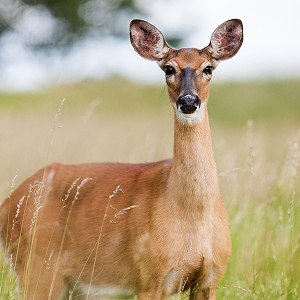 Roe deerCapreolus capreolus; Capreolus pygargus