
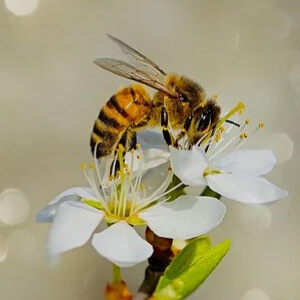
 BeeApis (honey bees)
Pollinating insects
Pollinating insects carry pollen to the receptive part of flowers and help many plants produce seeds and fruit. Bees, bumblebees, hoverflies, butterflies and some moths perform this role while seeking nectar or pollen.
Wasps, other flies and certain mosquito species can also pollinate flowers. Some insects carry pollen better than others.
Which insects pollinate flowers?
- Bees and bumblebees visit flowers for nectar and pollen. Bumblebees can release pollen from some plants by vibrating their bodies.
- Hoverflies visit flowers and can carry pollen between them. The larvae of many species eat aphids, playing a different role from adults.
- Butterflies and some moths reach nectar with their proboscises. The hummingbird hawkmoth is mainly active by day and can feed while hovering.
- Wasps can move pollen while seeking nectar. Some have close relationships with particular plants, as fig wasps do.
- House flies can pollinate certain plants. USDA researchers use flies to pollinate some crops maintained in plant collections.
- Certain mosquitoes pollinate flowers while feeding on nectar. This has been studied in the North American orchid Platanthera obtusata.
How do pollinating insects help?
Pollen must move from the anthers, which produce it, to the stigma, which receives it. Insects can carry pollen on their bodies as they move between flowers. Transfer between plants of the same species can support the exchange of genetic material.
Flower shape, feeding structures and the way an insect touches a flower influence the result. Some plants are wind-pollinated or can pollinate themselves.
Habitats and food for pollinators
Flower-rich meadows, gardens, orchards and woodland edges provide resources for many pollinating insects. Flowers that bloom in succession supply food at different times of the season.
Larval needs also matter. Caterpillars use host plants, while hoverfly larvae have needs that vary between species. Protecting habitats and nesting places, and avoiding unnecessary insecticide use, supports these animals.
Sources: European Parliament — pollinating insects · Natural History Museum — insect pollination · RHS — hoverflies · USDA ARS — flies as pollinators · University of Washington — mosquitoes and orchids
BeeApis (honey bees)
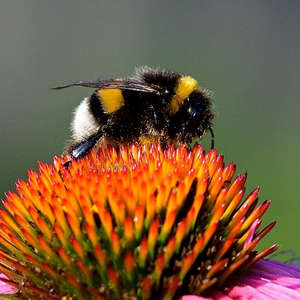 BumblebeeBombus
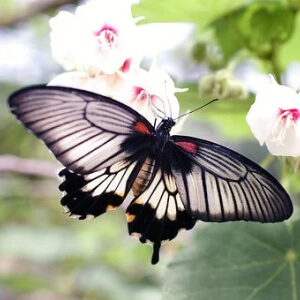 ButterflyPapilionoidea (within Lepidoptera)
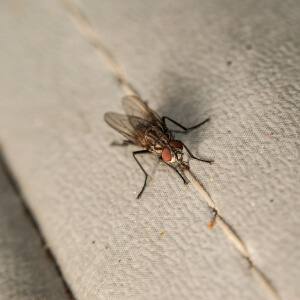 FlyDiptera; Musca domestica is the house fly
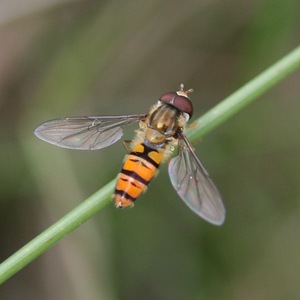 HoverfliesSyrphidae
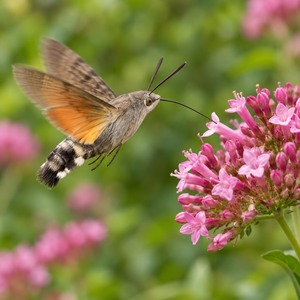 Hummingbird hawk-mothMacroglossum stellatarum
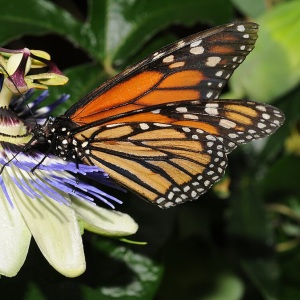 Monarch butterflyDanaus plexippus
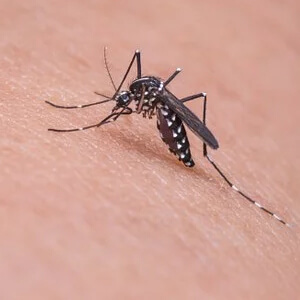 MosquitoCulicidae
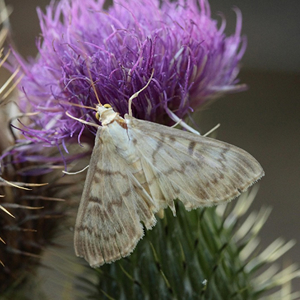 MothLepidoptera (moths from several families)
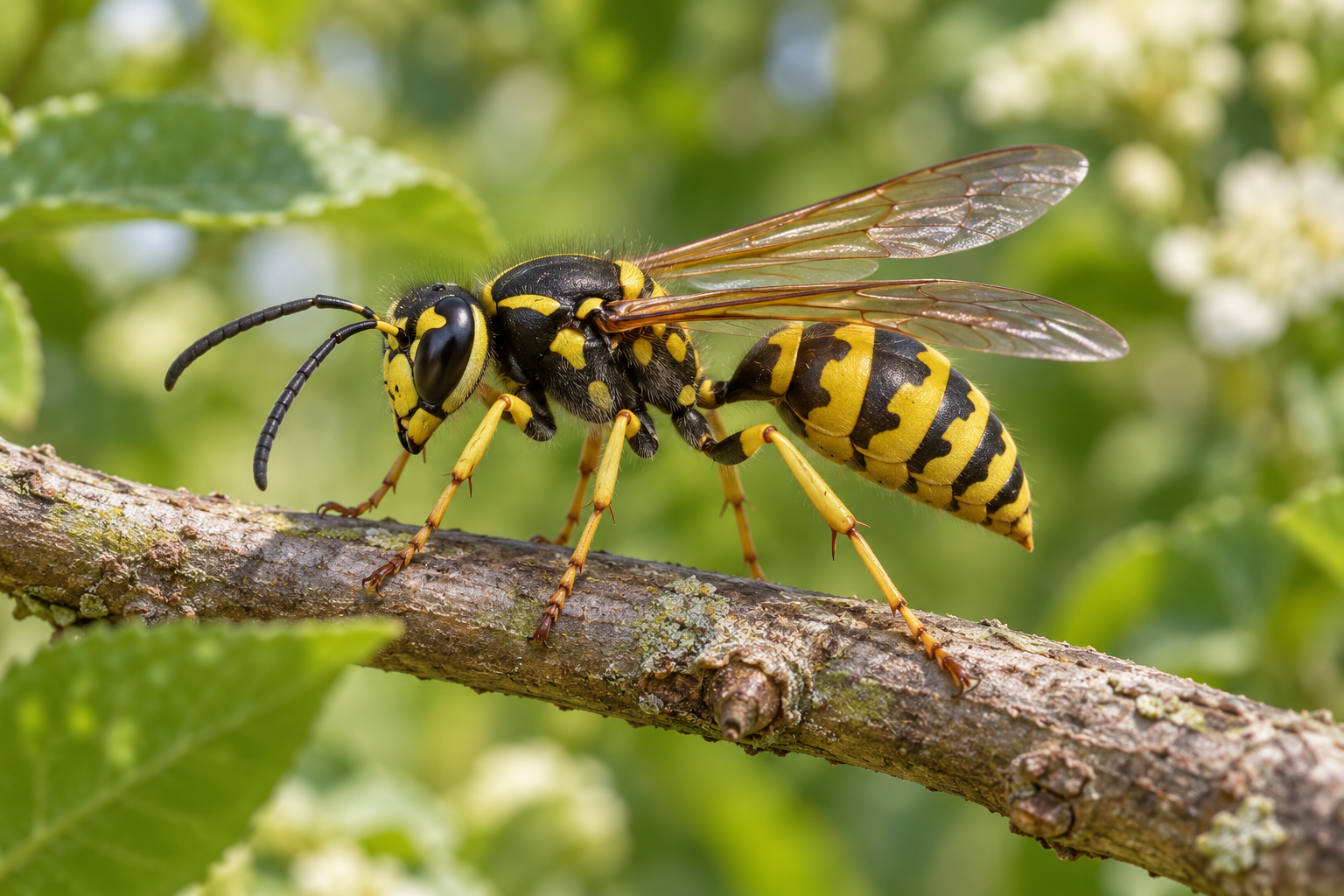 WaspHymenoptera: several wasp families, including Vespidae