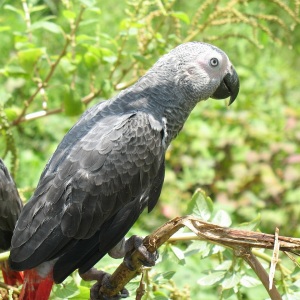
 African grey parrotPsittacus erithacus
Animals that live in groups
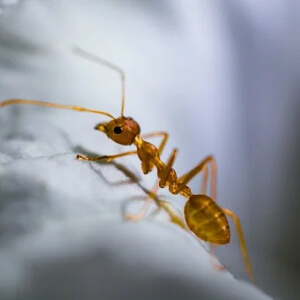
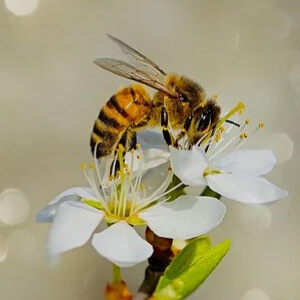
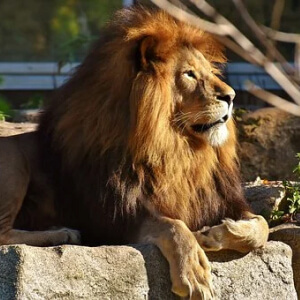
Lions, elephants, wolves, meerkats and many dolphins are animals that live in groups. Some form families, packs or herds. Ants, honey bees and many bumblebees form colonies with a very different organisation from mammal societies.
Examples of group living
- Elephants: females and young form family groups; adult males have different relationships and often leave the family herd.
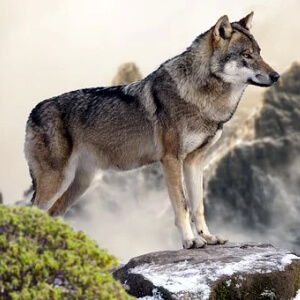
- Wolves and lions: cooperation can help with obtaining food and raising young, in different ways.
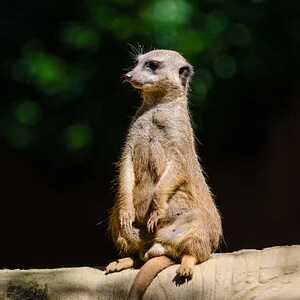
- Meerkats: group members can watch for danger and help care for young.
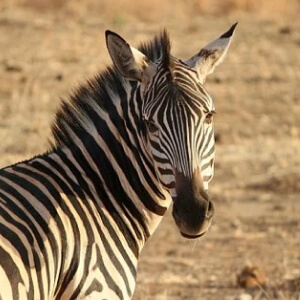
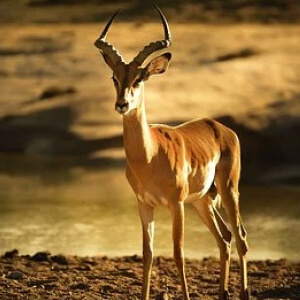
- Zebras and impalas: group composition varies with species, sex and season.
- Ants and honey bees: colony members have different reproductive and working roles.
Benefits and costs
More eyes can help detect danger. Some species defend one another, find food or care for young together.
Group members may also compete for food and mates. An elephant family, a chimpanzee community and an ant colony each work in their own way.
Long-lasting and seasonal groups
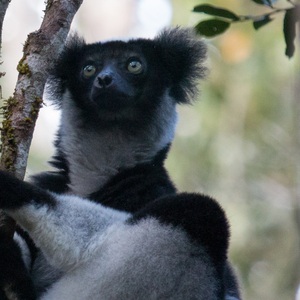
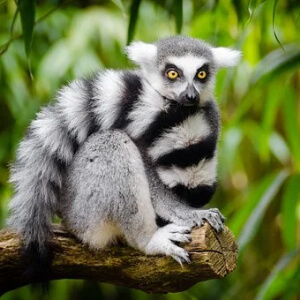
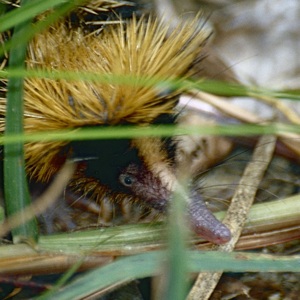
Lowland streaked tenrecs may share shelters with relatives. Indris and ring-tailed lemurs also have social lives. In many temperate bumblebees, colonies are seasonal and new queens overwinter separately.
Living together does not necessarily mean hunting together. Some social animals eat plants, while others forage individually. Behaviour depends on species and circumstances.
Frequently asked questions
Which animals live in groups?
Examples include lions, elephants, wolves, meerkats, zebras, impalas and many primates and cetaceans. Ants and honey bees live in colonies.
Do all social animals hunt together?
No. Some eat plants, while others forage individually. Social living and cooperative hunting are different behaviours.
Do groups stay the same throughout the year?
No. Their composition can change with season, breeding, age and food availability.
Sources: Smithsonian — lion · San Diego Zoo — elephant · San Diego Zoo — meerkat · NOAA Fisheries — killer whale · Bumblebee Conservation Trust — lifecycle · University of Michigan — Hemicentetes semispinosus
A
B
C
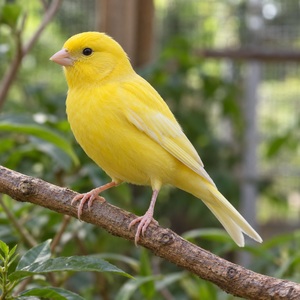 CanarySerinus canaria
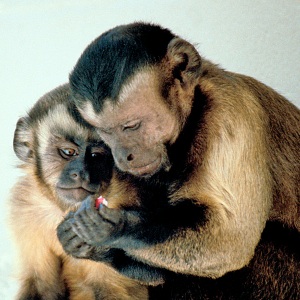 Capuchin monkeyCebinae
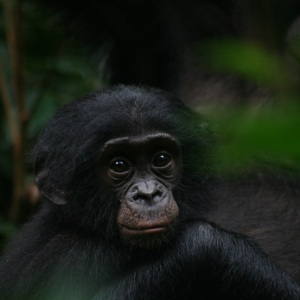
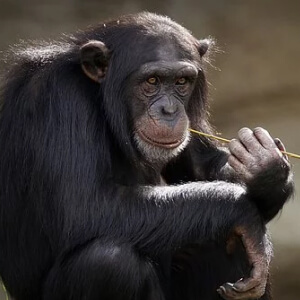 ChimpanzeePan troglodytes
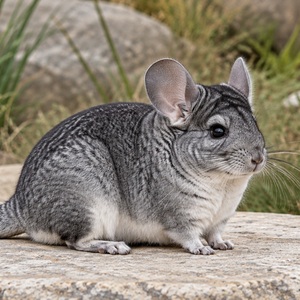 ChinchillaChinchilla spp.
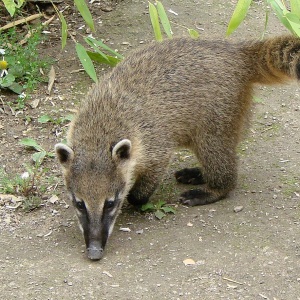 CoatiNasua
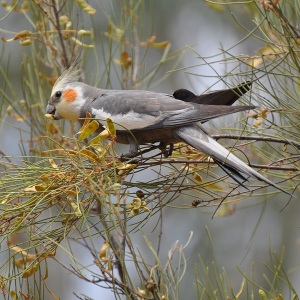 CockatielNymphicus hollandicus
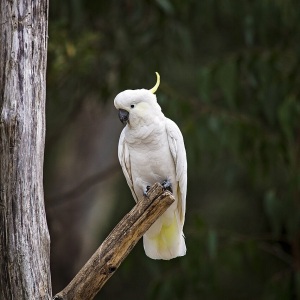 CockatooCacatuidae
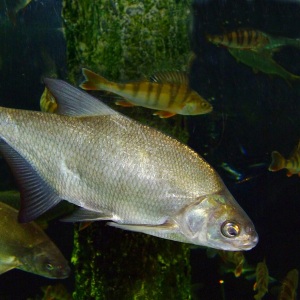 Common breamAbramis brama
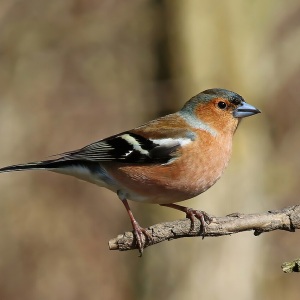 Common chaffinchFringilla coelebs
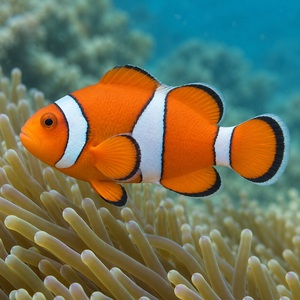 Common clownfishAmphiprion ocellaris
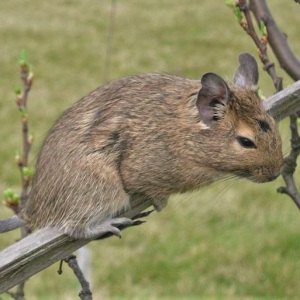 Common deguOctodon degus
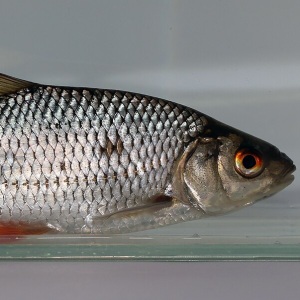 Common roachRutilus rutilus
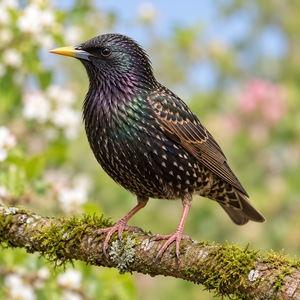 Common starlingSturnus vulgaris
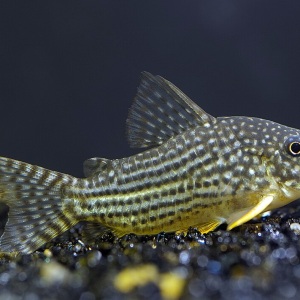 Corydoras catfishCorydoras
D
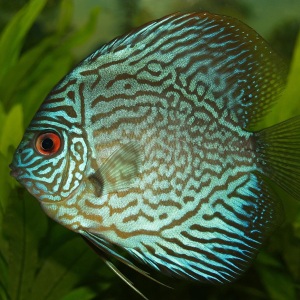
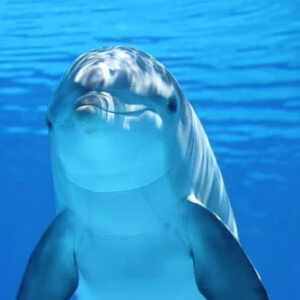
E
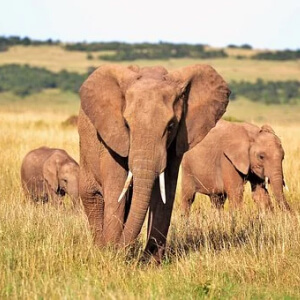 ElephantLoxodonta africana; Loxodonta cyclotis; Elephas maximus
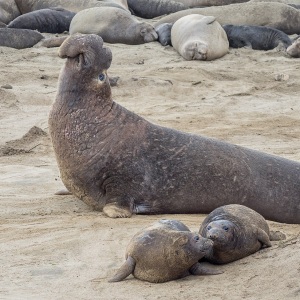 Elephant sealMirounga
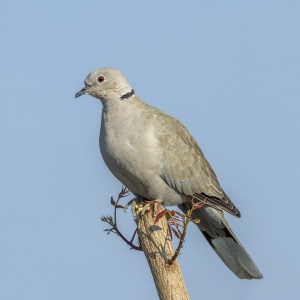 Eurasian collared doveStreptopelia decaocto
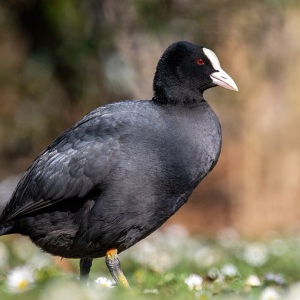 Eurasian cootFulica atra
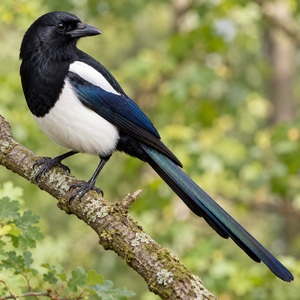 Eurasian magpiePica pica
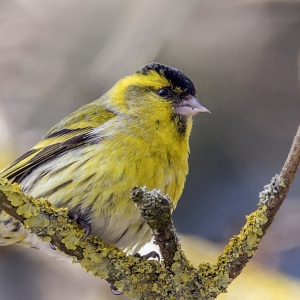 Eurasian siskinSpinus spinus
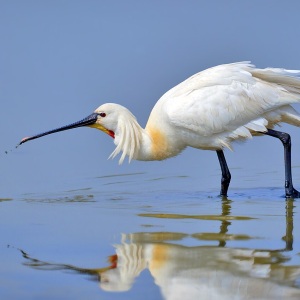 Eurasian spoonbillPlatalea leucorodia
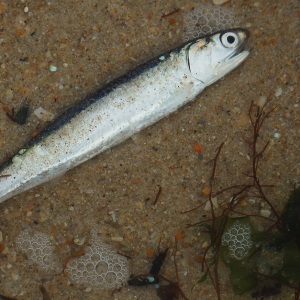 European anchovyEngraulis encrasicolus
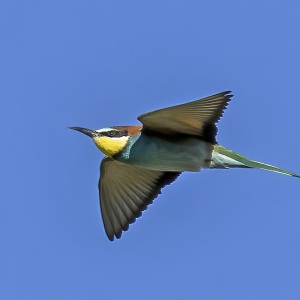 European bee-eaterMerops apiaster
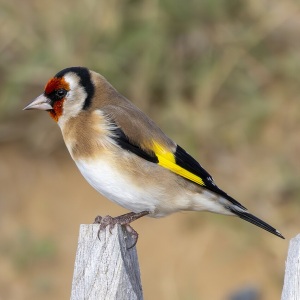 European goldfinchCarduelis carduelis
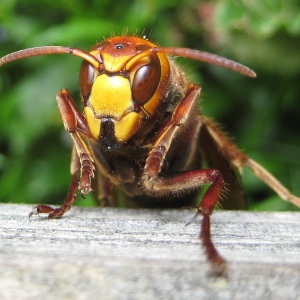 European hornetVespa crabro
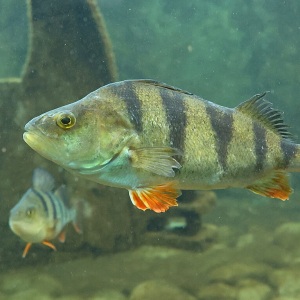 European perchPerca fluviatilis
F
G
H
I
L
M
N
O
P
R
S
W
Y
Z