
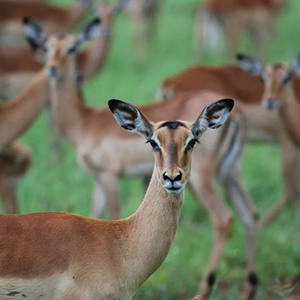
 AntelopeBovidae (antelope groups)
Bovids
Bovids are mammals in the family Bovidae, including cattle, buffalo, bison, goats, sheep and many antelopes. They are plant-eating ruminants. Some are domestic, while wild species occupy grasslands, forests, mountains and dry regions.
Examples of bovids
- European and American bison: they are closely related but distinct animals. European bison are native to Europe, while American bison are native to North America.
- Cattle and buffalo: they include domestic animals kept for products such as milk or used for work.
- Goats, sheep and mouflon: all belong to this large family, despite differences in appearance and lifestyle.
- Chamois: they are adapted to moving across mountainous, rocky terrain.
- Impalas and other antelopes: their adaptations vary with food, climate and predators.
What is rumination?
Rumination involves bringing swallowed plant food back to the mouth and chewing it again. This process, together with microorganisms in a compartmentalised stomach, helps digest plant material.
Some bovids mainly graze on grasses, while others browse on leaves, shoots and shrubs. Food availability and season can alter the balance of their diet.
Bovids and deer
Horned bovids have a bony core covered with keratin, the material also found in nails. These horns are generally permanent. Antlers in deer are bony structures that are shed and regrown, usually annually.
Red deer, roe deer, moose and reindeer are cervids, rather than bovids. Hooves, a plant-based diet and structures on the head also occur in other families.
Frequently asked questions
Which animals are bovids?
Cattle, buffalo, bison, goats, sheep, chamois, mouflon and many antelopes belong to Bovidae.
Are deer and giraffes bovids?
No. Deer belong to Cervidae, while giraffes belong to Giraffidae.
Are European and American bison the same species?
No. European bison are Bison bonasus, while American bison are Bison bison.
Sources: Mammal Diversity Database — Bovidae · San Diego Zoo — antelope · National Park Service — horns and antlers
AntelopeBovidae (antelope groups)
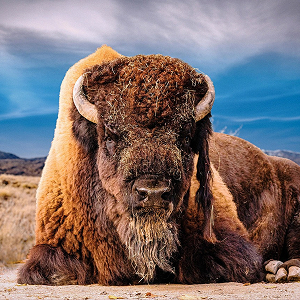 BisonBison bison; Bison bonasus
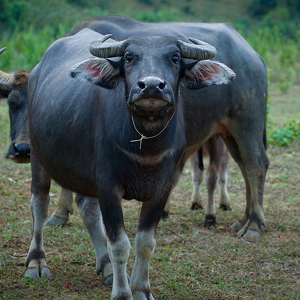 BuffaloBubalus; Syncerus
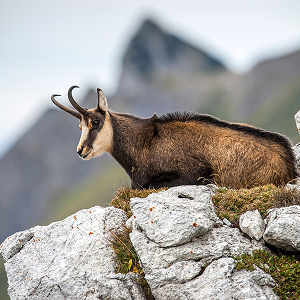 ChamoisRupicapra rupicapra
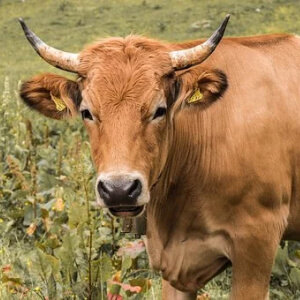 CowBos taurus (domestic cattle)
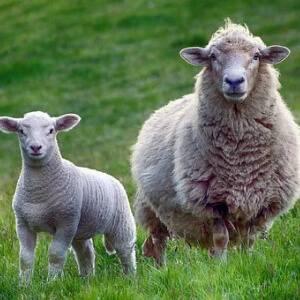 Domestic sheepOvis aries
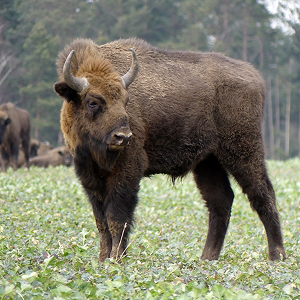 European bisonBison bonasus
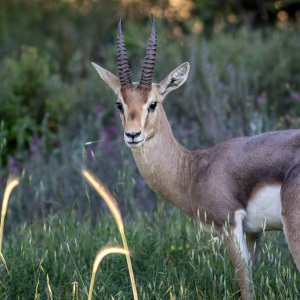 GazelleGazella
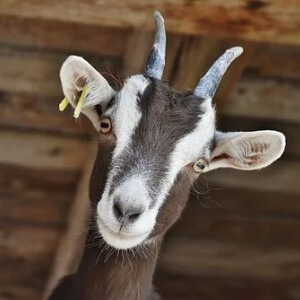 GoatCapra aegagrus hircus
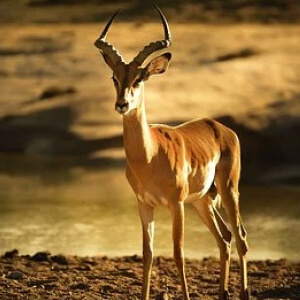 ImpalaAepyceros melampus
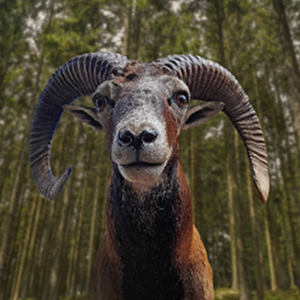 MouflonOvis gmelinii complex; European mouflon naming varies between taxonomic treatments
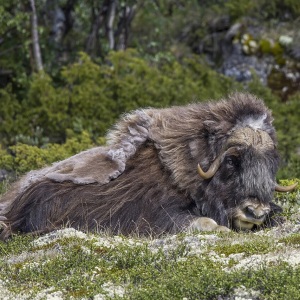 MuskoxOvibos moschatus
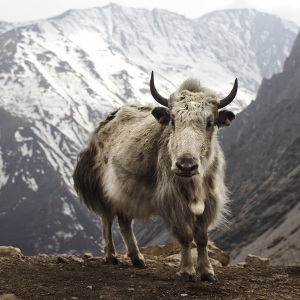 YakBos grunniens