
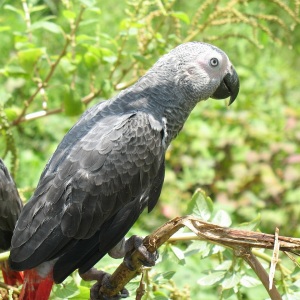
 African grey parrotPsittacus erithacus
Arboreal animals
Arboreal animals regularly use trees for movement, food or shelter. Sloths, koalas, orangutans, indris, aye-ayes and red pandas are familiar examples. Many also come down to the ground.
Moving among branches
- Sloths and koalas grip branches and trunks with limbs adapted for climbing.
- Orangutans use long arms and grasping hands for support and movement. They have no tails.
- Indris and other tree-dwelling lemurs can leap between supports.
- Tree squirrels, red pandas and pine martens use claws and balance to climb and move among branches.
- Fossas and leopards climb well while also travelling and hunting on the ground.
Food and shelter above ground
Trees provide leaves, fruit, seeds, insects and other prey. Hollows and crowns can offer resting places and shelter. Tree-dwelling animals do not all share one diet: they include plant-eaters, omnivores and predators.
Chimpanzees and ring-tailed lemurs use both trees and the ground. Raccoons climb and may shelter in tree hollows. Broad groups such as monkeys and squirrels contain species with different lifestyles, and only some of them live mainly in trees.
Different climbing adaptations
Curved claws, grasping fingers and balancing tails offer different solutions. Only some animals have a prehensile tail that can grip. Orangutans climb well without one.
Frequently asked questions
What does arboreal mean?
It describes an animal that regularly uses trees for movement, feeding or shelter. Some species spend almost all their lives there; others often descend.
Do all arboreal animals have grasping tails?
No. A tail may serve only for balance. Orangutans, for example, have no tail.
Do all monkeys live only in trees?
No. Tree use differs among species, and some spend considerable time travelling and feeding on the ground.
Sources: San Diego Zoo — two-toed sloth · San Diego Zoo — orangutan · San Diego Zoo — fossa · San Diego Zoo — red panda · The Wildlife Trusts — pine marten · San Diego Zoo — leopard · San Diego Zoo — raccoon · San Diego Zoo — lemur
African grey parrotPsittacus erithacus
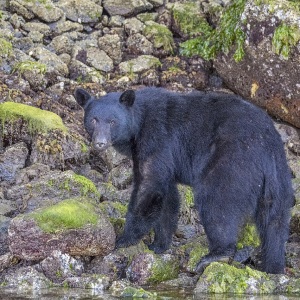 American black bearUrsus americanus
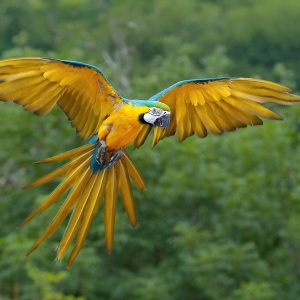 Ara macawAra
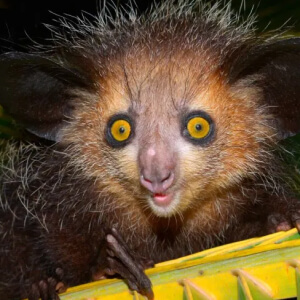 Aye-ayeDaubentonia madagascariensis
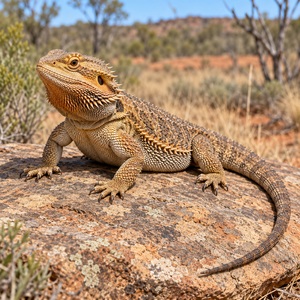 Bearded dragonPogona vitticeps
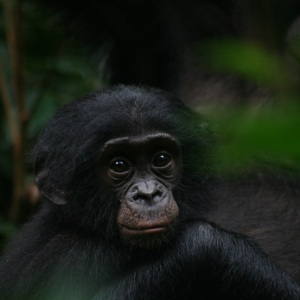 BonoboPan paniscus
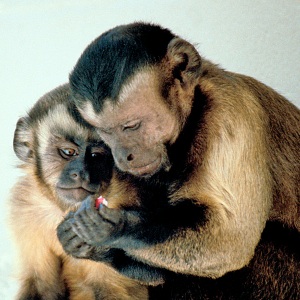 Capuchin monkeyCebinae
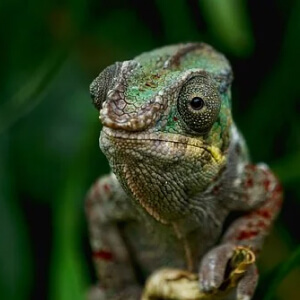 ChameleonChamaeleonidae
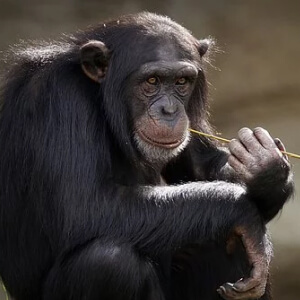 ChimpanzeePan troglodytes
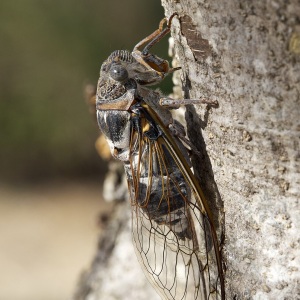 Cicada orniCicada orni
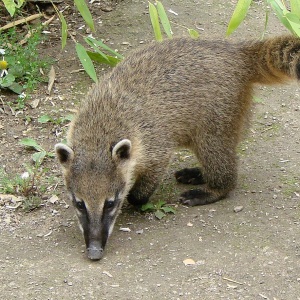 CoatiNasua
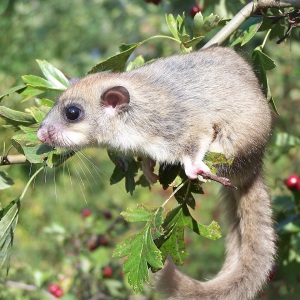 Edible dormouseGlis glis
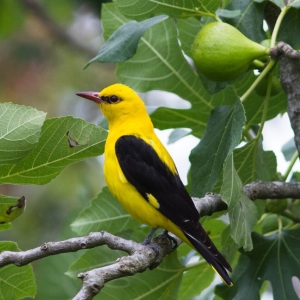 Eurasian golden orioleOriolus oriolus
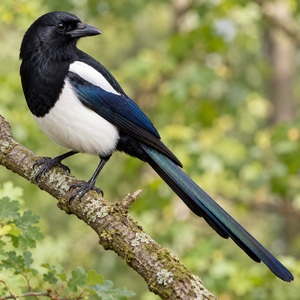 Eurasian magpiePica pica
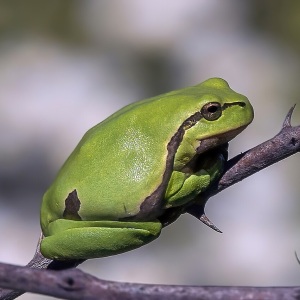 European tree frogHyla arborea
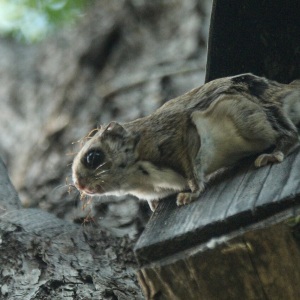 Flying squirrelPteromyini
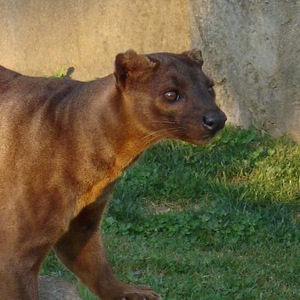 FossaCryptoprocta ferox
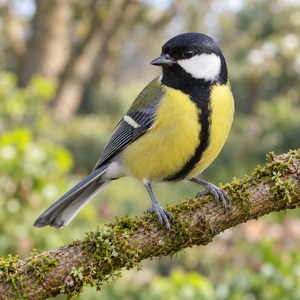 Great titParus major
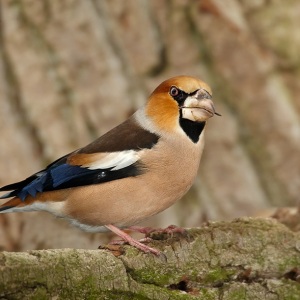 HawfinchCoccothraustes coccothraustes
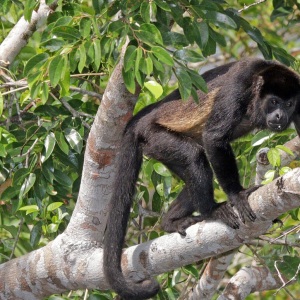 Howler monkeyAlouatta
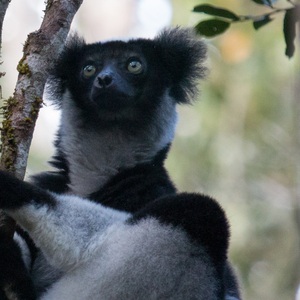 IndriIndri indri
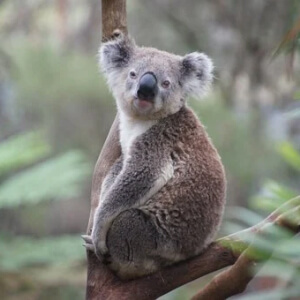 KoalaPhascolarctos cinereus
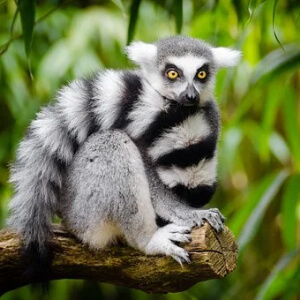 LemurLemuriformes (several families)
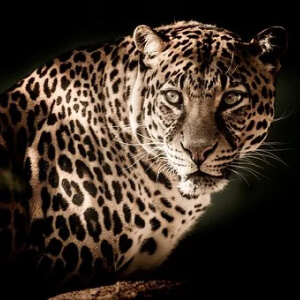 LeopardPanthera pardus
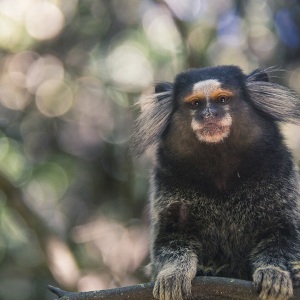 MarmosetCallithrix
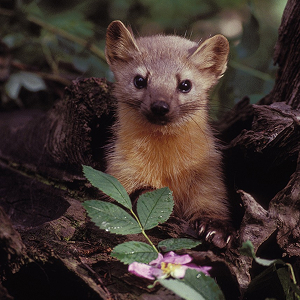 MartenMartes spp.
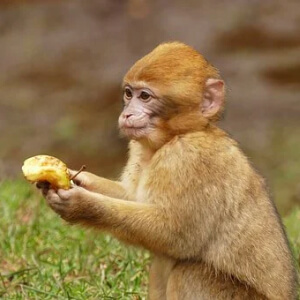 Monkeys and apesSimiiformes (monkeys and apes)
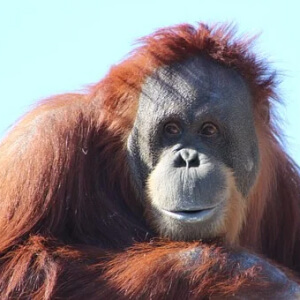 OrangutanPongo pygmaeus, Pongo abelii and Pongo tapanuliensis
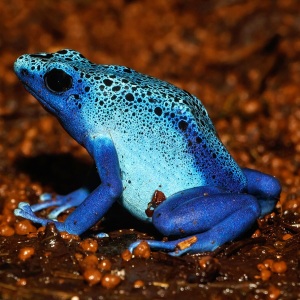 Poison dart frogDendrobatidae
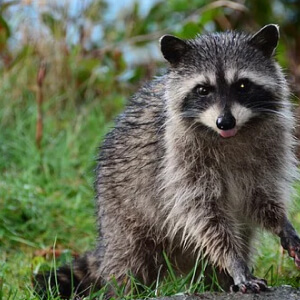 RaccoonProcyon lotor
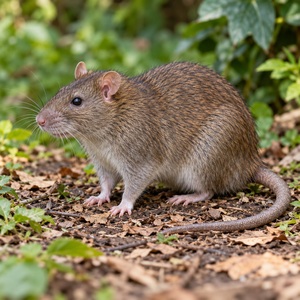 RatsRattus
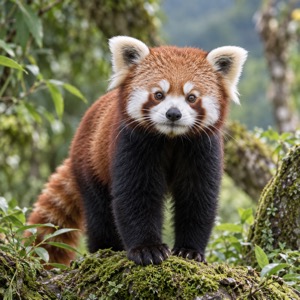 Red pandaAilurus spp.
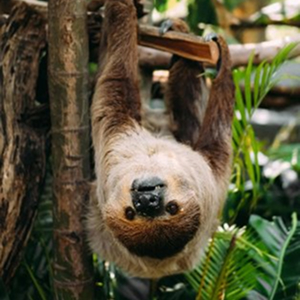 SlothFolivora
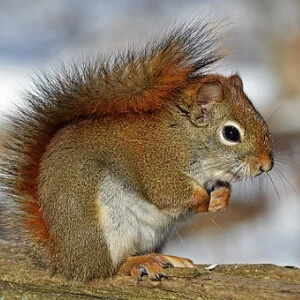 SquirrelSciuridae (squirrels)
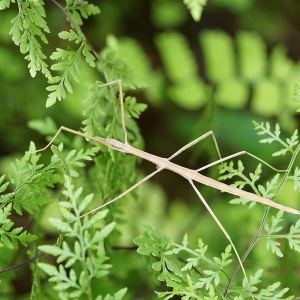 Stick insectPhasmatodea
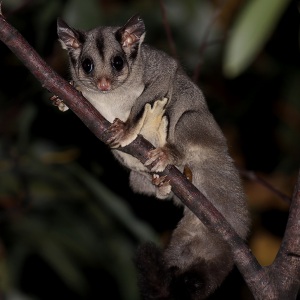 Sugar gliderPetaurus breviceps
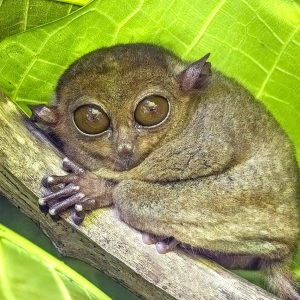 TarsierTarsiidae
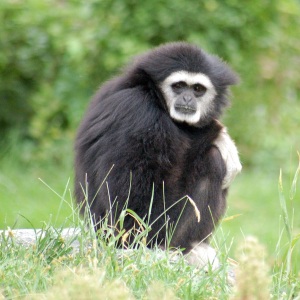 White-handed gibbonHylobates lar