
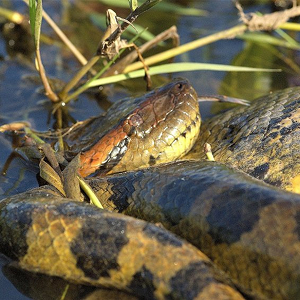
 AnacondaEunectes
Animals of the Amazon
Animals of the Amazon live in tropical forests, rivers and floodplains in South America. Jaguars, anacondas, capybaras, sloths, toucans and piranhas are examples of Amazonian wildlife. Their food, shelter and daily activity depend on water, vegetation and the season.
Animals of the Amazon forest
- Sloths spend much of their time in trees.
- Parrots and toucans find fruit and shelter in forest vegetation.
- Jaguars and pumas are predators that use wooded habitats.
- Anteaters and armadillos search for food on the ground, including insects.
Wildlife of rivers and floodplains
Anacondas, piranhas and Amazonian manatees use aquatic habitats. The Amazonian manatee, Trichechus inunguis, is adapted to freshwater. Capybaras eat vegetation and use water as a refuge.
Some Amazonian forests flood periodically, while others grow on higher ground. These differences create habitats for animals with very different needs.
Forests, rivers and bankside vegetation are closely connected. Habitat loss affects both tree-dwelling and aquatic animals. Amazonia supports an important part of the wildlife of South America and tropical forests.
Sources: WWF — the Amazon and its wildlife · San Diego Zoo — toucans · Smithsonian — giant anteater
AnacondaEunectes
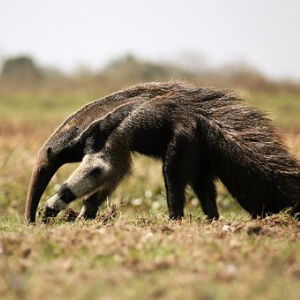 AnteaterVermilingua
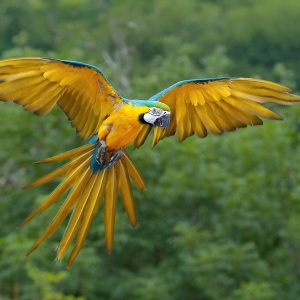 Ara macawAra
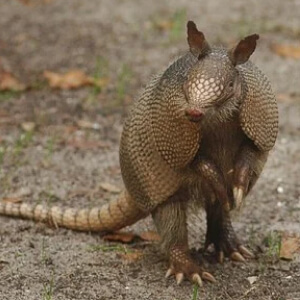 ArmadilloCingulata
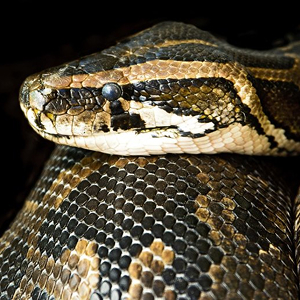 BoaBoa constrictor
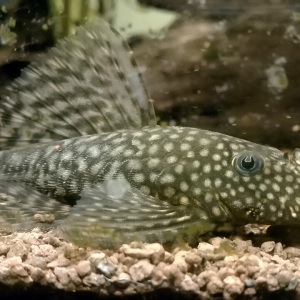 Bristlenose plecoAncistrus
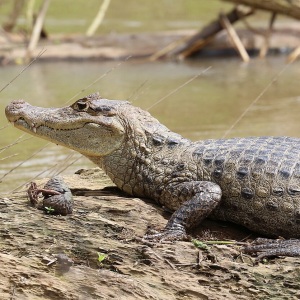 CaimanCaimaninae
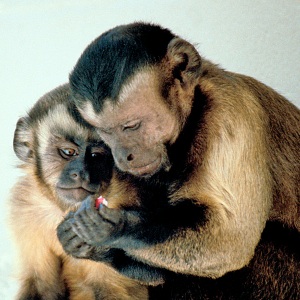 Capuchin monkeyCebinae
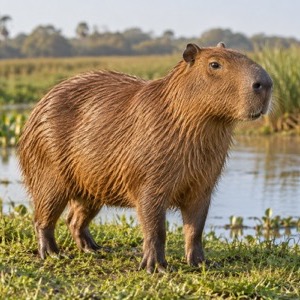 CapybaraHydrochoerus hydrochaeris
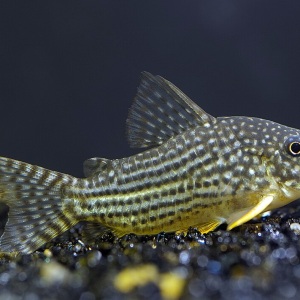 Corydoras catfishCorydoras
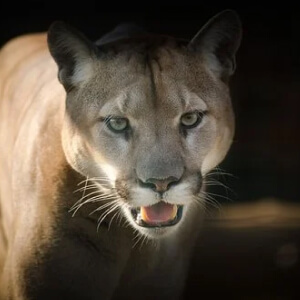 CougarPuma concolor
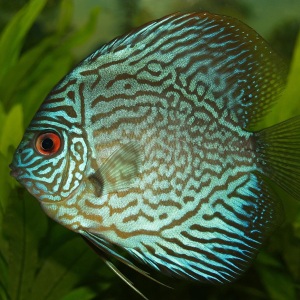 DiscusSymphysodon
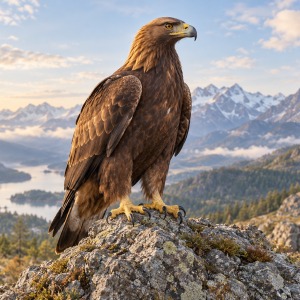 EaglesSeveral genera in Accipitridae
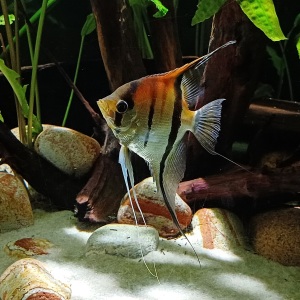 Freshwater angelfishPterophyllum scalare
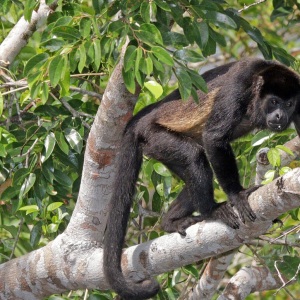 Howler monkeyAlouatta
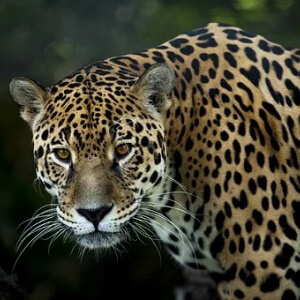 JaguarPanthera onca
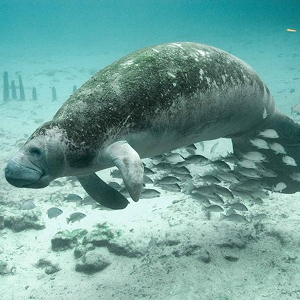 ManateeTrichechus spp.
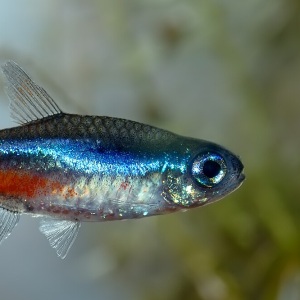 Neon tetraParacheirodon innesi
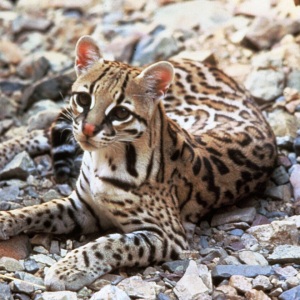 OcelotLeopardus pardalis
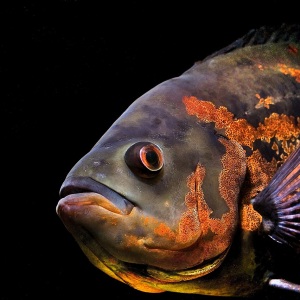 Oscar fishAstronotus ocellatus
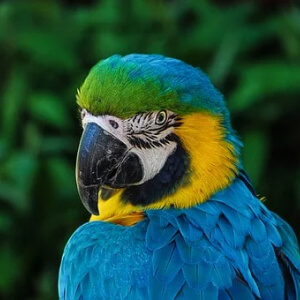 ParrotPsittaciformes
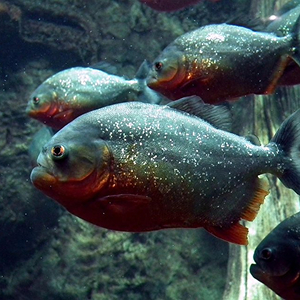 PiranhaSerrasalmidae: piranhas, including Pygocentrus and Serrasalmus
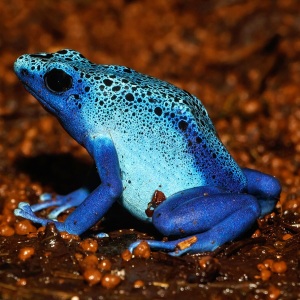 Poison dart frogDendrobatidae
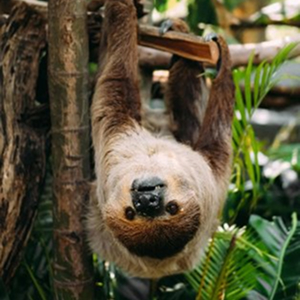 SlothFolivora
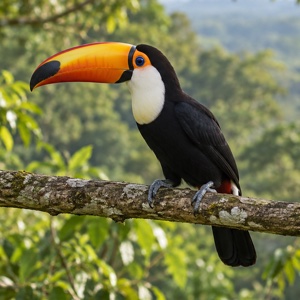 ToucanRamphastidae