ReindeerInteresting facts and information
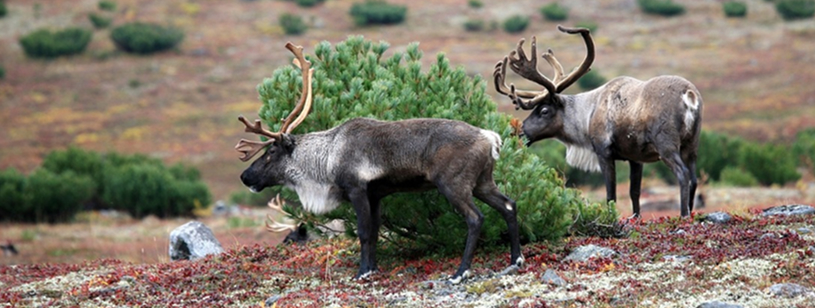
Reindeer, also called caribou in North America, are deer commonly classified as Rangifer tarandus. They inhabit northern tundra and forest regions. Both sexes can grow antlers, although antler growth and shedding vary with sex, age and population.
Female reindeer can grow antlers as well as males. Seasonal movements vary: some populations migrate long distances, while others move over smaller areas.
Reindeer herding is important to several northern peoples. Wild caribou and domestic reindeer differ in management and aspects of behaviour.
Quick facts
| Common name | Reindeer (caribou in North America) |
| Scientific name | Rangifer tarandus |
| Typical lifespan | About 10-15 years (wild), up to about 20 years (captive) |
| Maximum speed | About 60 - 80 km/h over short distances |
| Size | About 85 - 150 cm (height at the shoulder) |
| Weight | About 80 - 120 kg (females), 160 - 180 kg or more (males) |
| Diet type | Herbivore (lichens, grasses, sedges, leaves, mushrooms) |
| Main predators | Wolves, bears, wolverines, lynx, golden eagles (calves), humans |
| Conservation status | Vulnerable (IUCN) |
| Habitat | Tundra, taiga, boreal forests, mountains |
| Distribution (continents) | Europe, Asia, North America |
Interesting facts
- Eyes that change colour - In Arctic reindeer, the reflective layer at the back of the eye changes from gold in summer to blue in winter, helping them see in the long polar darkness.
- Fast runners - Reindeer can run at about 60-80 km/h for short distances.
- Good swimmers - Reindeer cross wide rivers and lakes during migration, and their hollow hairs help them float.
- Clicking knees - Many reindeer make a clicking sound when they walk, caused by a tendon in the foot; it may help the herd stay together.
- A warm nose - The inside of a reindeer's nose warms cold air before it reaches the lungs.
Records and remarkable features
- Reindeer, also called caribou in North America, are deer commonly classified as Rangifer tarandus. They inhabit northern tundra and forest regions. Both sexes can grow antlers, although antler growth and shedding vary with sex, age and population.
- Long journeys - Some caribou herds in Alaska and Canada travel more than 1,000 km a year between summer and winter ranges, among the longest land migrations of any mammal.
- Giant herds - Some migratory caribou herds number hundreds of thousands of animals.
Physical characteristics and adaptations
Reindeer are well adapted to life in the Arctic, with features that help them survive extreme cold, find food under the snow and travel long distances.
Distinguishing physical appearance
- A thick, two-layer coat - A dense woolly undercoat is covered by long, hollow guard hairs that trap warm air.
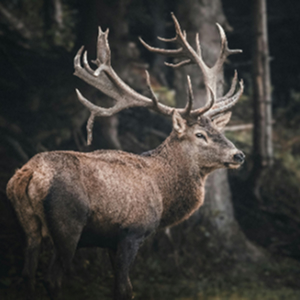
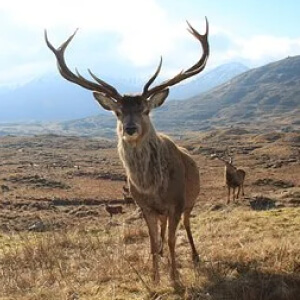
- Antlers in both sexes - Males have the largest antlers, up to about 1.3 metres long; females have smaller antlers that they keep through the winter.
- Seasonal hooves - In summer, the foot pads are soft and spongy; in winter they shrink, and the hard hoof edge grips ice and helps dig through snow.
- A cold-adapted nose - The nose has a complex inner structure that warms cold air.
- Changing eyes - In winter, their eyes become more sensitive to light, helping them see in the polar darkness.
Adaptations for survival
- A coat that helps them float - The air-filled hairs help reindeer stay afloat when swimming.
- Saving heat - Blood vessels in the legs are arranged so that warm blood heats the cold blood returning from the feet, reducing heat loss.
- Seasonal metabolism - Reindeer build up fat in summer and save energy in winter by slowing their metabolism.
- Clicking sound - A tendon slipping over bones in the foot makes a clicking sound that may help herd members stay together.
Habits and behaviour
Reindeer are social animals that live in herds; their lives are shaped by the seasons, migration and predators.
Social structure and herds
- Large herds - Herds can range from a few dozen animals to hundreds of thousands during migration.
- Separate groups - For much of the year, adult males live apart from females and calves, and join them for the mating season.
- Antlered females - Because females keep their antlers in winter, after the males have lost theirs, they can defend the best feeding spots.
Spectacular migration
- Long migrations - Some reindeer and caribou populations travel hundreds or even thousands of kilometres each year, crossing rivers, mountains and tundra.
- Following the seasons - In spring they move to calving grounds on the tundra, and in winter many herds move to forests, where there is more shelter.
Defending strategies against predators
- Running - Reindeer can run fast and for long distances to escape predators.
- Herds for protection - Living in large groups makes it harder for wolves to choose a target.
- Mothers defend their calves - Females stay close to their calves and may kick or charge at predators.
Habitat and geographic distribution
Reindeer live in Arctic and subarctic regions of Europe, Asia and North America, where winter temperatures can fall below -40 °C.
Geographical distribution
| Region | Countries and areas |
|---|---|
| Europe | Norway, Sweden, Finland, Russia; a small introduced herd in Scotland |
| Asia | Siberia, northern Mongolia, northeastern China |
| North America | Alaska, Canada, Greenland |
| Arctic islands | Svalbard, Arctic islands of Canada and Russia |
Habitats
- Arctic tundra - In summer, reindeer feed on open tundra, eating grasses, sedges, leaves and lichens.
- Boreal forests (taiga) - In winter, many herds shelter in coniferous forests and dig for lichens under the snow.
- Mountains - Some populations, for example in Norway, Mongolia and the Rocky Mountains of Canada, live in mountain areas.
Habitat threats
- Climate change - Warmer winters can create ice layers over the snow, which stop reindeer from reaching food.
- Habitat fragmentation - Roads, mines, oil and gas development and logging block migration routes.
- Overhunting - Some herds have declined because of too much hunting.
- Predators - Where forests are cut, more wolves and moose move in, which can increase predation on caribou.
Diet and feeding
Reindeer are herbivores that eat lichens, grasses, sedges, leaves and mushrooms, depending on the season, and can digest lichens that few other mammals can use.
What do reindeer eat?
| Food type | Examples of plants eaten |
|---|---|
| Lichens | Cladonia rangiferina ("reindeer lichen"), other lichens |
| Grasses and sedges | Tundra grasses, sedges, cotton grass |
| Leaves and shoots | Birch, willow and shrub leaves |
| Mosses and herbs | Mosses and flowering plants of the tundra |
| Mushrooms | Many kinds of mushrooms (late summer) |
Method of feeding
- Summer grazing - In summer, they eat large amounts of green plants to build up fat for winter.
- Digging in winter - Reindeer use their hooves to dig "feeding craters" in the snow to reach lichens.
- Eating mushrooms - In late summer, reindeer eagerly eat mushrooms.
Food behaviour
- Seasonal diet - In summer they eat mainly green plants, and in winter mainly lichens.
- Smelling food - Reindeer can smell lichens under the snow.
- Salt and minerals - Reindeer seek out salt, and may lick minerals from the ground or even chew shed antlers.
Reproduction and life cycle
Reindeer mate in autumn, when males fight with their antlers, and calves are born in spring.
Breeding and birthing of calves
| Characteristic | Details |
|---|---|
| Sexual maturity | About 1.5 - 3 years |
| Breeding season | September - November |
| Gestation | About 7 - 7.5 months |
| Number of calves | 1 (twins are very rare) |
| Nursing | About 4 - 6 months |
| Birth interval | 1 year |
Reproductive behaviour
- Fights between males - During the rut, males fight with their antlers for access to females, and fights can be violent.
- Dominant males - The strongest males mate with the most females.
- Spring calves - Calves are born in May - June; within a day or so they can follow their mother.
Longevity and survival
- Reindeer usually live about 10-15 years, and up to about 20 years in captivity.
- Calves are most vulnerable in their first months, when wolves, bears, wolverines, lynx and golden eagles may attack them.
- Group calving - Many females give birth at the same time in calving grounds, which helps more calves survive.
Name and history
Origin of the name "Reindeer"
- The word "reindeer" comes from the Old Norse hreindýri, from hreinn (reindeer) and dýr (animal).
- The name "caribou" comes from the Mi'kmaq word qalipu, often explained as "snow shoveller".
Taxonomic Classification
| Kingdom | Animalia |
|---|---|
| Phylum | Chordata |
| Class | Mammalia |
| Order | Artiodactyla |
| Family | Cervidae |
| Genus | Rangifer |
| Species | Rangifer tarandus |
History and domestication
- Domestication - Reindeer were domesticated in northern Eurasia, probably about 2,000-3,000 years ago, possibly earlier.
- Reindeer herding - Peoples such as the Sámi, Nenets and Evenki use reindeer for transport, meat, milk and hides.
- Ice Age hunters - Reindeer were one of the main animals hunted by people in Europe during the last Ice Age and appear in cave art.
Cultural significance and mythology
Reindeer are central to the lives and beliefs of many Arctic peoples, and in the modern world they are best known as Santa Claus's reindeer.
The reindeer in cultural symbolism
- Arctic peoples - For the Sámi, Nenets and other herding peoples, reindeer are the basis of their way of life, food and traditions.
- Christmas - Since the poem "A Visit from St. Nicholas" (1823), Santa Claus has been imagined travelling in a sleigh pulled by flying reindeer.
- Canada - A caribou has been shown on the Canadian 25-cent coin since 1937.
- Siberian art - Ancient "deer stones" of Mongolia and Siberia show stylised flying deer, often linked with reindeer.
Conservation status and threats
The reindeer is listed as Vulnerable by the IUCN, because many wild herds have declined sharply in recent decades.
Main threats to reindeer
- Climate change - Warmer weather, rain on snow and changes in the tundra reduce food and affect calves.
- Industry - Mines, oil and gas pipelines and roads damage reindeer habitat and block migration routes.
- Overhunting - In some regions, herds have declined because of too much hunting.
- Disturbance - Logging and other human activities bring more predators and disturb calving grounds.
Conservation status (IUCN)
| Population | Status |
|---|---|
| Rangifer tarandus (species as a whole) | Vulnerable (IUCN) |
| Woodland caribou (Canada) | Threatened under Canadian law |
| Caribou in the contiguous United States | The last wild herd disappeared in 2019 |
Conservation efforts
- Protected areas - Parks and reserves in Scandinavia, Canada, Alaska and Russia protect wild herds and their calving grounds.
- Reintroduction - Reindeer were brought back to Scotland in 1952, where a small herd lives in the Cairngorms.
- Hunting rules - In many countries, hunting of wild reindeer and caribou is strictly regulated.
In popular culture
Reindeer are among the best-known animals in Christmas stories, films and songs.
Reindeer in films and television
- "Rudolph the Red-Nosed Reindeer" (1964) - A famous stop-motion TV special about the reindeer with a glowing nose.
- "Frozen" (2013) - Sven, Kristoff's loyal reindeer, is one of the film's best-loved characters.
Reindeer in literature and music
- "The Snow Queen" (Hans Christian Andersen) - A reindeer carries Gerda to the Snow Queen's palace.
- "Rudolph the Red-Nosed Reindeer" - The character was created in 1939 by Robert L. May, and the 1949 song became a Christmas classic.