HokkaidoCharacteristics, history, training and care
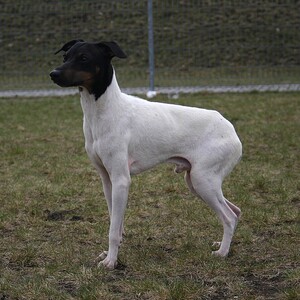
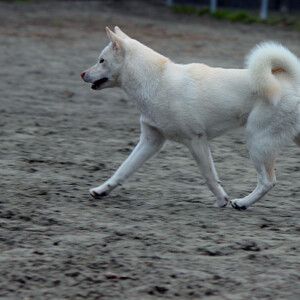
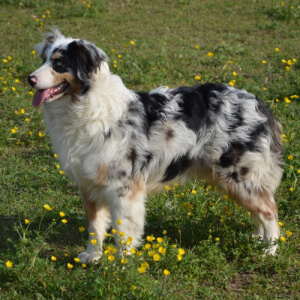
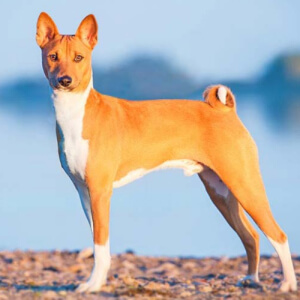
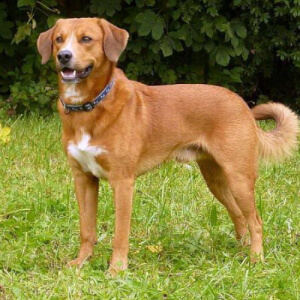
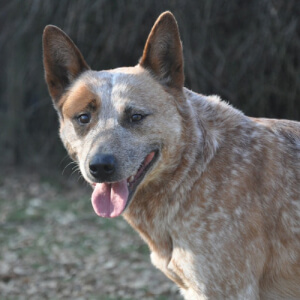
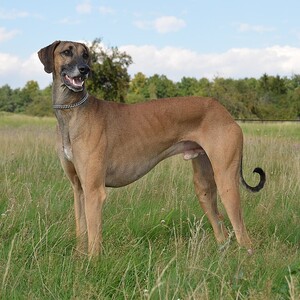
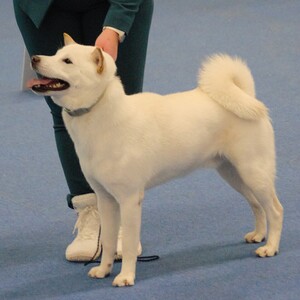
Hokkaido. · Canarian / Wikimedia Commons, CC BY 4.0. Cropped and resized.
The Hokkaido, also called the Ainu Ken, is a sturdy, medium-sized Japanese spitz with a thick double coat, built to withstand frost and deep snow. The Ainu people, the original inhabitants of the island of Hokkaido, used it to hunt bears. It is faithful, docile, very alert and bold, with remarkable endurance.
Quick facts
| Common name | Hokkaido (Ainu Ken, Hokkaido Inu) |
| Scientific name | Canis lupus familiaris |
| Country of origin | Japan (Hokkaido) |
| Official recognition | FCI, definitively since 22 April 1964 (group 5, Asian spitz; standard no. 261); a natural monument of Japan since 1937 |
| Lifespan | 12–15 years, according to the AKC |
| Size (males) | 48.5–51.5 cm at the withers; about 20–30 kg (AKC) |
| Size (females) | 45.5–48.5 cm at the withers |
| Coat type | Double: harsh, straight topcoat, soft and dense undercoat |
| Common colours | Sesame, brindle, red, black, black and tan, white |
| Energy level | High |
| Suited to an apartment? | Not really |
| Temperament | Faithful, docile, very alert, bold |
| Tendency to aggression | Low; a watchful guard |
| Good with children | Average |
| Good with other animals | Average |
| Genetic predispositions | Collie eye anomaly, hip dysplasia, luxating patella, heart murmurs, seizures |
- Primary category:Dog breeds
- Explore this animal's categories:
History and origin
The FCI standard says the breed descends from the medium-sized Japanese dogs that accompanied migrants from Honshu to Hokkaido in the Kamakura era (the 1140s). When it was declared a “natural monument” in 1937, it was given the name of the island.
It is also known as the “Ainu-ken”, because the Ainu, the island's original inhabitants, bred it to hunt bears and other animals. Its constitution allows it to withstand extreme cold and heavy snowfall. The AKC says it is one of the oldest of the six native Japanese spitz-type breeds.
How the breed developed
- The 1140s – The dogs arrive in Hokkaido from Honshu.
- Centuries – The Ainu use them to hunt bears.
- 1937 – The breed is declared a natural monument of Japan.
- 22 April 1964 – The FCI recognises the breed.
- 30 October 2016 – The current FCI standard is published.
Breed rating
| Feature | Stars |
|---|---|
| Training and intelligence | ★★★★☆ |
| Easy to train | ★★★★☆ |
| Intelligence | ★★★★☆ |
| Independence | ★★★★☆ |
| Stubbornness | ★★★★☆ |
| Behaviour and temperament | ★★★★☆ |
| Affectionate with family | ★★★★★ |
| Friendly with children | ★★★☆☆ |
| Good with other dogs | ★★★☆☆ |
| Good with cats and other animals | ★★☆☆☆ |
| Loyalty | ★★★★★ |
| Tendency to be aggressive | ★★☆☆☆ |
| Tendency to bark | ★★★☆☆ |
| Needs and care | ★★★★☆ |
| Shedding | ★★★☆☆ |
| Needs frequent grooming | ★★☆☆☆ |
| Activity and lifestyle | ★★★★☆ |
| Energy level | ★★★★☆ |
| Daily exercise needs | ★★★★☆ |
| Suited to apartment life | ★★☆☆☆ |
| Health and longevity | ★★★★☆ |
| Life expectancy | ★★★★☆ |
| Predisposition to genetic diseases | ★★★☆☆ |
| Working abilities and uses | ★★★★★ |
| Good guard dog | ★★★★★ |
| Good companion dog | ★★★★☆ |
Indicative rating: 5 stars means the highest level. It is based on the ratings the American Kennel Club gives the breed and on the FCI standard.
Physical characteristics
The standard describes it as a medium-sized dog with clear differences between the sexes, well balanced and solidly built, with strong bones and hard muscles. The AKC says its coat is longer and thicker than that of the other Japanese breeds, its chest broader and its ears smaller.
General appearance
Wikipedia says it has small, triangular, erect ears and small black eyes with a raised triangular outline. The bushy tail is carried over the back.
| Feature | Hokkaido |
|---|---|
| Size | Medium |
| Height at the withers | males: 48.5–51.5 cm; females: 45.5–48.5 cm |
| Weight | about 20–30 kg |
| Coat | Double, harsh, with a dense undercoat |
| Ears | Small, triangular, erect |
| Tail | Bushy, over the back |
The standard accepts sesame (a mix of black, red and white hairs), brindle, red, black, black and tan, and white.
Training and socialisation
The standard describes it as a dog of remarkable endurance, dignity and naivety. Its temperament is faithful, docile, very alert and bold, with sound judgement.
The AKC says that, like all working dogs, it does well with “a job”. It excels at agility, rally, flyball, pulling, lure coursing and dock diving.
Tips for effective training
- Give it a job. The AKC recommends working activities.
- Socialise it young. It is a watchful guard.
- Be consistent. It has sound judgement of its own.
- Do not clip it. The AKC says clipping is neither necessary nor recommended.
Activity needs and lifestyle
The AKC says it is a very active breed, suited to a family that loves hiking, cycling, running or camping.
| Activity | How often | Why it matters |
|---|---|---|
| Long walks or running | daily | High energy |
| Hiking or camping | weekly | It loves the outdoors |
| Dog sports | several times a week | It needs a job |
Tips for a balanced life
- It copes very well with cold and snow.
- In summer, keep it out of the heat.
- It suits an active family.
Care and health
Coat and skin care
The AKC says it largely looks after itself: the natural oils of its skin and coat keep it clean and dry. It does not need clipping, only regular brushing. Twice a year it sheds its undercoat, and then it needs brushing every day.
Common health problems
The AKC says well-bred Hokkaidos are generally healthy, but the breed is prone to a few diseases. Wikipedia says about a third of the dogs have collie eye anomaly:
| Condition | Description | Common symptoms |
|---|---|---|
| Collie eye anomaly | Hereditary eye disease, very common in the breed | From slightly impaired vision to blindness |
| Hip dysplasia | The hip joint forms incorrectly and, over time, arthritis develops | Limping, difficulty getting up or jumping, hip pain |
| Patellar luxation | The kneecap slips out of place | Suddenly holds a hind leg up for a few steps, then uses it again |
| Idiopathic seizures | Neurological seizures with no cause found | Trembling, convulsions |
Other care
- Have its eyes checked by a veterinary ophthalmologist.
- Brush its teeth regularly.
- Trim the nails when they start to touch the floor.
Diet and nutrition
The AKC says it is an active breed that needs good-quality food with a balance of protein, fat and carbohydrates, decided with the vet.
Tips for a healthy diet
The table gives a starting estimate, calculated with the formula from the Merck Veterinary Manual. The first two calorie columns show the calories per day for a healthy adult dog. The last column shows what this means in dry food with 3,500–4,000 kcal per kilogram.
| Dog's weight | Calories per day (neutered) | Calories per day (not neutered) | Dry food per day (approximate) |
|---|---|---|---|
| 20 kg | 1,060 kcal | 1,190 kcal | 260–340 g |
| 25 kg | 1,250 kcal | 1,410 kcal | 310–400 g |
| 30 kg | 1,440 kcal | 1,620 kcal | 360–460 g |
- Give it its food in two meals a day.
- Fresh water should always be available.
- A dog is at the right weight when you can feel its ribs under the coat without pressing hard.
Foods to avoid
Some human foods are dangerous for dogs: chocolate, coffee, grapes and raisins, onions, garlic, xylitol (a sweetener used in chewing gum), macadamia nuts and alcohol.
Reproduction and development
Physical and emotional maturity
In dogs, sexual maturity usually comes between 6 and 12 months. Most breeds become adults at around 13–15 months.
Mating and pregnancy
Pregnancy lasts about 63 days, counted from ovulation. Mating a female on her first heat is not recommended. The FCI standard requires that only healthy dogs of typical breed appearance are used for breeding.
Caring for the puppies
In dogs, a litter has 5–6 puppies on average, and the number rises with the size of the breed. Socialisation starts in the first weeks: gentle handling, everyday noises and new people.
Interesting facts
- A natural monument. In 1937 it was declared a natural monument of Japan.
- A bear hunter. The Ainu used it to hunt bears.
- A thicker coat. The AKC says its coat is thicker than that of the other Japanese breeds.
- Naturally clean. The AKC says the oils in its coat keep it clean.
- One of the oldest Japanese breeds. The AKC says it is among the oldest of the six native breeds.
In popular culture
A natural monument of Japan
The FCI standard says that in 1937 the breed was declared a “natural monument” of Japan and was then given the name of the island of Hokkaido. It was already known as the “Ainu-ken”, after the Ainu people, who used it for hunting.
Frequently asked questions
Why is it also called the Ainu Ken?
Because the Ainu people, the original inhabitants of the island of Hokkaido, bred these dogs.
How big does it get?
Males measure 48.5–51.5 cm and females 45.5–48.5 cm at the withers.
Does it cope with the cold?
Yes, very well: it is built for frost and deep snow.
How long does it live?
The AKC gives 12–15 years.