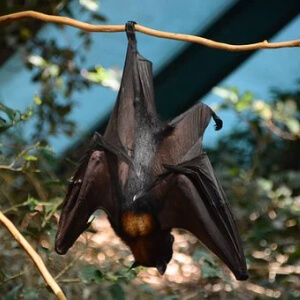
 BatChiroptera
Animals that use echolocation
Many bats, dolphins, killer whales, sperm whales and narwhals use echolocation. They emit sounds and interpret returning echoes to learn about their surroundings and find prey.
How does echolocation work?
- The animal produces a sound.
- The sound meets an object or prey and reflects.
- The animal detects and interprets the returning echo.
The delay before an echo returns provides distance information. Other echo features can help identify a target. Sound adds to information from other senses.
Which animals use it?
- Echolocating bats: detect obstacles and prey in flight.
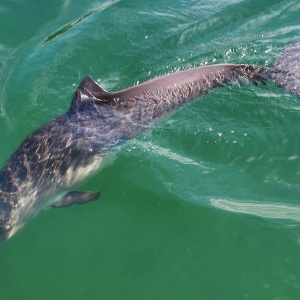
- Dolphins: produce clicks and detect their echoes underwater.
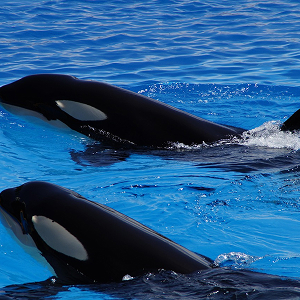
- Killer whales: can locate fish by echolocation, with hunting methods varying between populations.
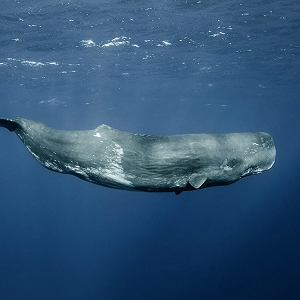
- Sperm whales: use clicks while searching for prey during dives.
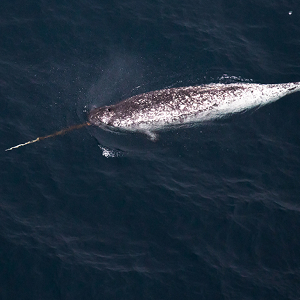
- Narwhals: produce echolocation clicks documented in acoustic recordings.
Which sounds are used for echolocation?
Animals also make sounds to communicate. Echolocation specifically involves interpreting echoes of their own sounds.
Bats are not blind. In echolocating species, this ability can work alongside vision and listening for sounds made by other animals.
Frequently asked questions
What is echolocation?
An animal emits sounds and interprets their returning echoes to obtain information about nearby objects or prey.
Do all bats echolocate?
No. Many species do, but some bats rely mainly on sight and smell.
Do dolphins use sound only to communicate?
No. They also produce clicks used for echolocation, alongside communication sounds.
Sources: National Park Service — bat echolocation · NOAA Fisheries — cetacean acoustics · NOAA Fisheries — killer whale echolocation · NOAA Fisheries — sperm whale clicks · NOAA Fisheries — narwhal echolocation