
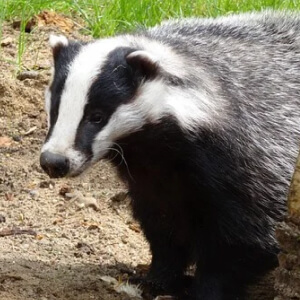
 BadgerMeles; Taxidea; Mellivora
Animals of Romania’s forests
Animals in Romania’s forests use trees, shrubs, clearings and soil for food and shelter. Brown bears, wolves, lynxes, red deer and wild boar are familiar mammals of these habitats. They live alongside squirrels, martens, wood mice, birds and many invertebrates.
A forest has several layers and zones. The canopy is formed by the crowns of the trees, while the woodland edge is where the forest meets more open ground. Light, moisture and food differ between these areas.
Where do forest animals shelter?
- In trees and hollows: squirrels move among branches, woodpeckers excavate nest cavities and some local bat species use tree hollows.
- On the ground: wild boar search for food in leaf litter and soil, while red deer and roe deer eat plants in forests and clearings.
- In burrows: European badgers and red foxes may shelter in underground tunnels.
- In shrubs and at woodland edges: blackbirds and nightingales find hiding and nesting places, depending on the species and season.
Predators, herbivores and omnivores
Wolves, Eurasian lynxes and wildcats hunt other animals. Red deer and roe deer eat plants, while wild boar and brown bears have mixed diets. A species’ presence in a forest depends on food, low disturbance and connections to surrounding habitats.
Local owls, such as the tawny owl, may hunt in wooded areas. Woodpeckers find insects in wood or on bark, and abandoned cavities can become shelters for other animals.
Why do varied forests matter?
Old trees, dead wood and vegetation of different ages provide distinct resources. Keeping them where safe helps animals that depend on cavities and wood-dwelling insects. When watching wildlife, distance and quiet are more helpful than approaching nests or burrows.
Frequently asked questions
- Which large animals live in Romania’s forests? Brown bears, wolves, Eurasian lynxes, red deer, roe deer and wild boar use forests and neighbouring habitats, depending on the region.
- Do all forest animals live in trees? No. Some use branches or hollows; others use the ground, shrubs, clearings or burrows.
- Why are old trees important for animals? They can provide hollows, nesting places and food. Dead wood shelters insects eaten by various birds.
Sources: Retezat National Park — fauna · Romanian Ornithological Society — common forest birds · Romanian Ornithological Society — woodpeckers and their habitats · Bat Conservation and Research Centre (CCCL) — bats and forest habitats
BadgerMeles; Taxidea; Mellivora
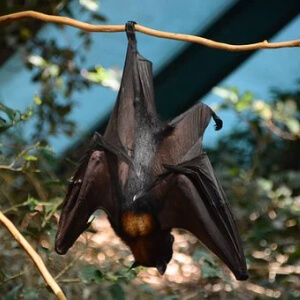 BatChiroptera
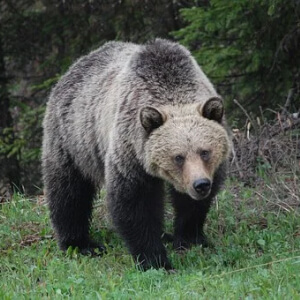 BearUrsidae
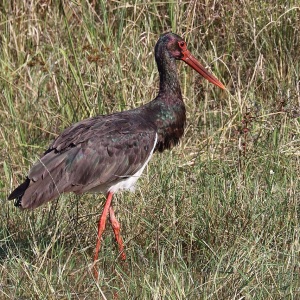 Black storkCiconia nigra
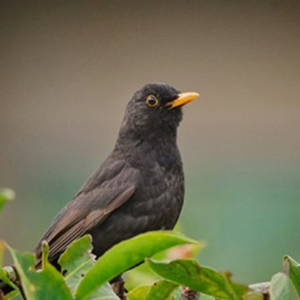 BlackbirdTurdus merula
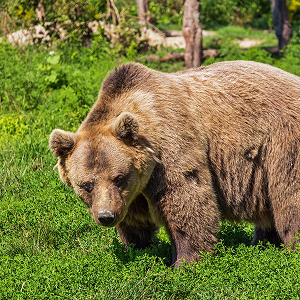 Brown bearUrsus arctos
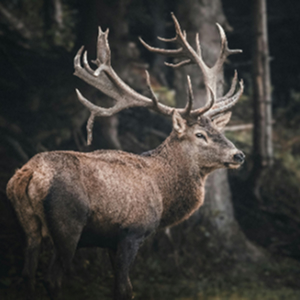 Carpathian red deerCervus elaphus
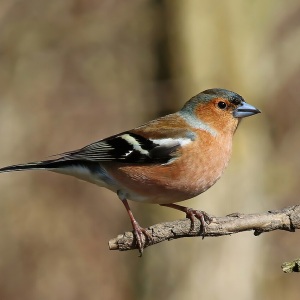 Common chaffinchFringilla coelebs
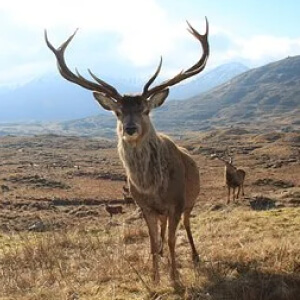 DeerCervidae
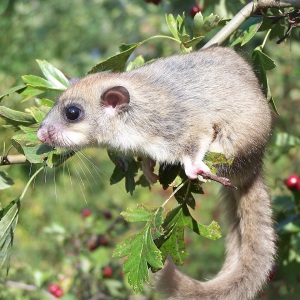 Edible dormouseGlis glis
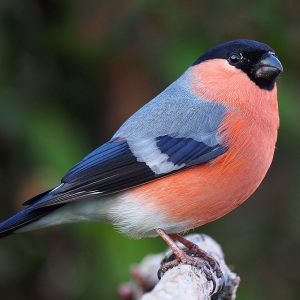 Eurasian bullfinchPyrrhula pyrrhula
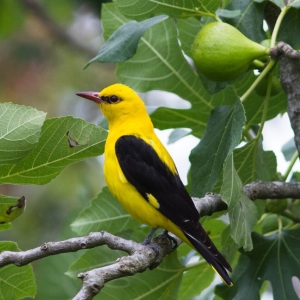 Eurasian golden orioleOriolus oriolus
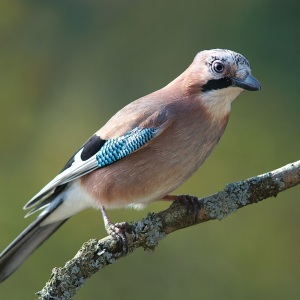 Eurasian jayGarrulus glandarius
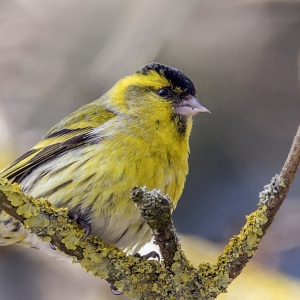 Eurasian siskinSpinus spinus
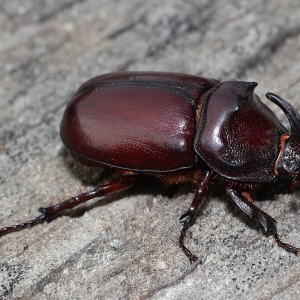 European rhinoceros beetleOryctes nasicornis
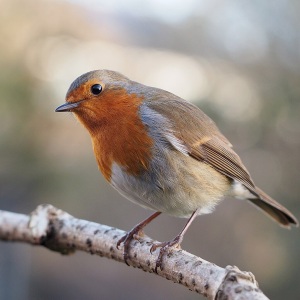 European robinErithacus rubecula
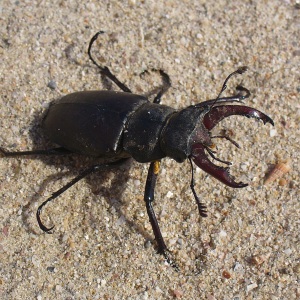 European stag beetleLucanus cervus
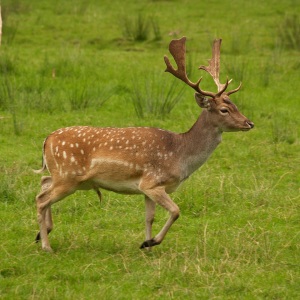 Fallow deerDama dama
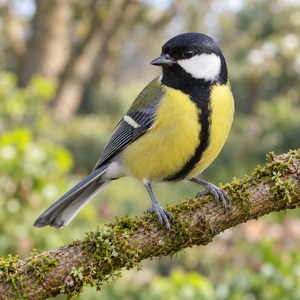 Great titParus major
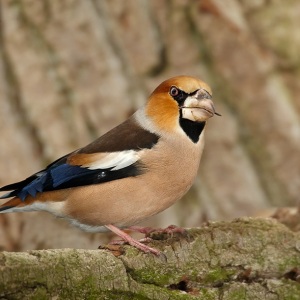 HawfinchCoccothraustes coccothraustes
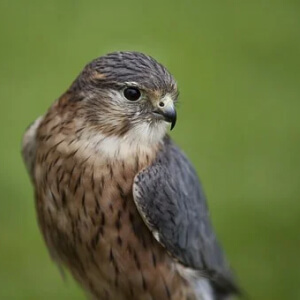 HawkAccipitridae; includes Accipiter and Astur
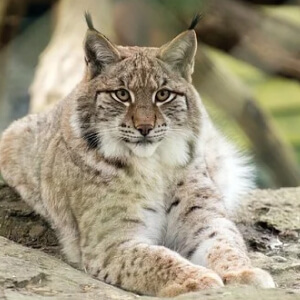 LynxLynx spp.
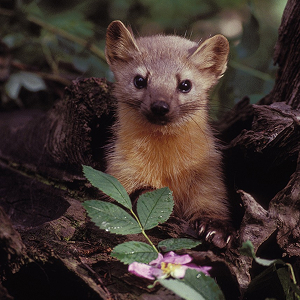 MartenMartes spp.
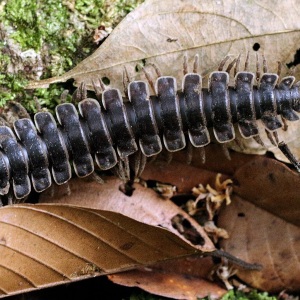 MillipedeDiplopoda
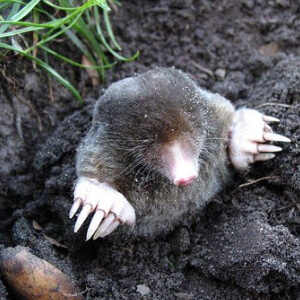 MoleTalpidae
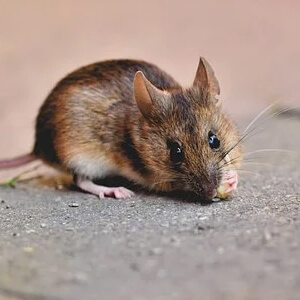 MouseMus spp.; Mus musculus is the house mouse
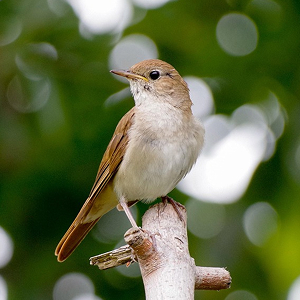 NightingaleLuscinia megarhynchos
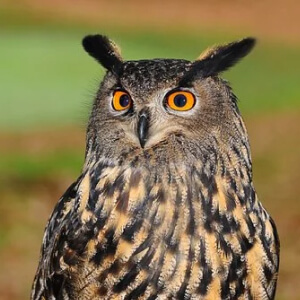 OwlStrigiformes
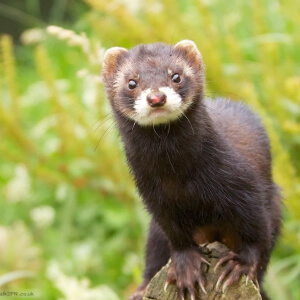 PolecatMustela (polecats and related ferrets)
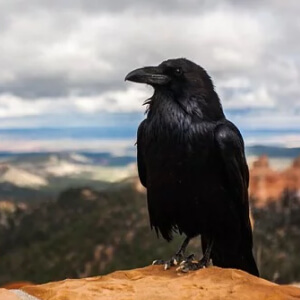 RavenCorvus corax
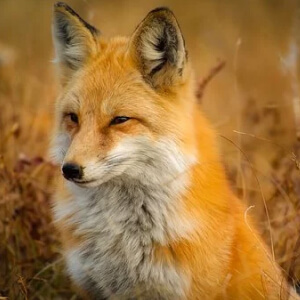 Red foxVulpes vulpes
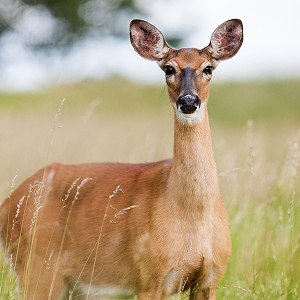 Roe deerCapreolus capreolus; Capreolus pygargus
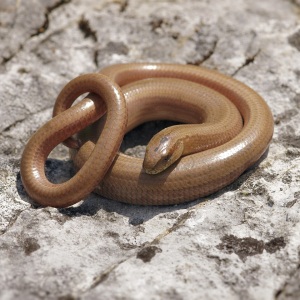 Slow wormAnguis fragilis
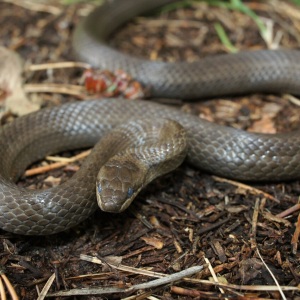 Smooth snakeCoronella austriaca
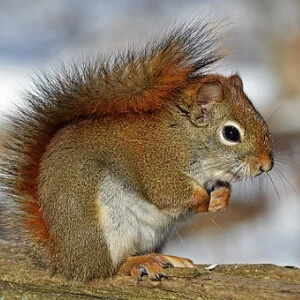 SquirrelSciuridae (squirrels)
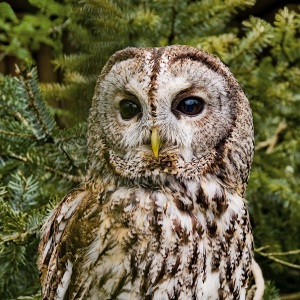 Tawny owlStrix aluco
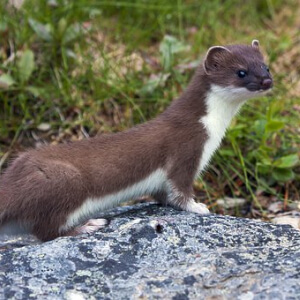 WeaselMustela nivalis
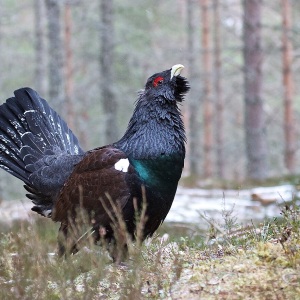 Western capercaillieTetrao urogallus
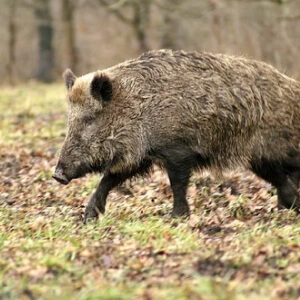 Wild boarSus scrofa
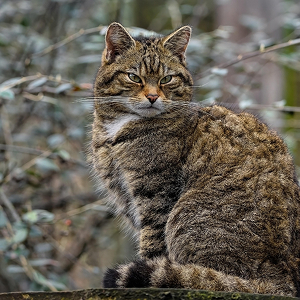 WildcatFelis silvestris (European wildcat)
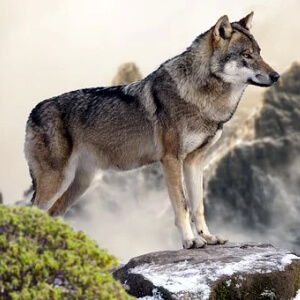 WolfCanis lupus
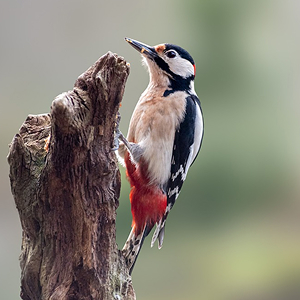 WoodpeckerPicidae