
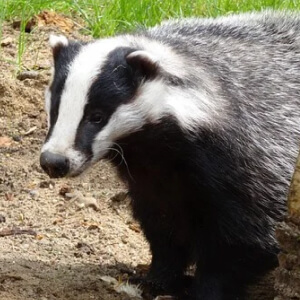
 BadgerMeles; Taxidea; Mellivora
Mustelids
Mustelids are mammals in the family Mustelidae, including otters, badgers, polecats, martens, mink and weasels. They differ in size and way of life. Some swim well, while others climb or use underground tunnels.
Mustelid adaptations
- Otters and European mink are associated with water, where they find an important part of their food.
- Weasels and polecats have slender bodies suited to moving through narrow spaces.
- Martens use wooded habitats and can move through trees.
- Badgers have sturdy bodies and claws useful for digging.
Food and habitats
Depending on the species, food can include fish, small mammals, invertebrates or fruit. Mustelids belong to the order Carnivora, but their diets differ. Some use riverbanks, while others live in forests or open country.
European and American mink are distinct species. Scent marks play an important role in communication among many mustelids.
Mustelids, canids and cats are different mammal families with varied adaptations for finding food.
Sources: Mammal Diversity Database — Mustelidae · Mammal Diversity Database — martens
BadgerMeles; Taxidea; Mellivora
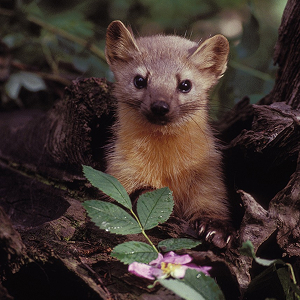 MartenMartes spp.
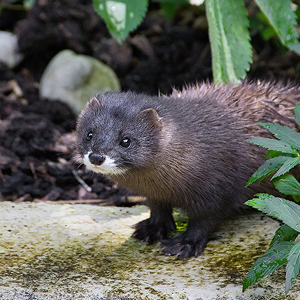 MinkMustela lutreola (European mink); Neogale vison (American mink)
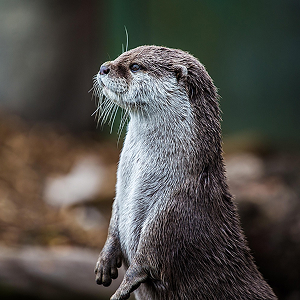 OtterLutrinae; Lutra lutra is the Eurasian otter, Lontra canadensis the North American river otter
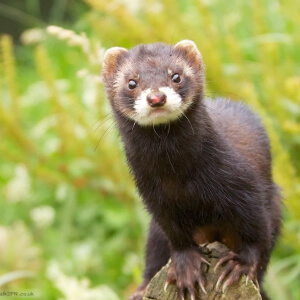 PolecatMustela (polecats and related ferrets)
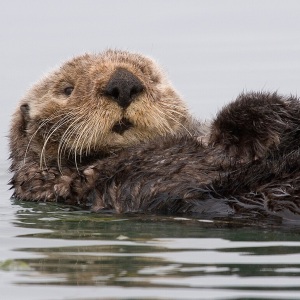 Sea otterEnhydra lutris
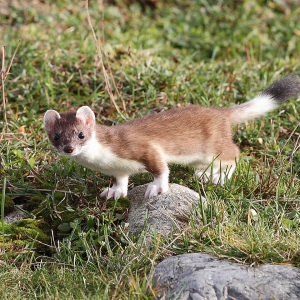 StoatMustela erminea
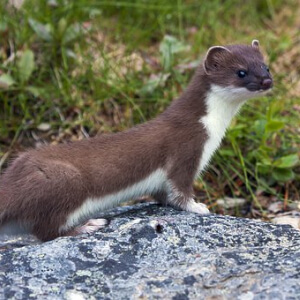 WeaselMustela nivalis