
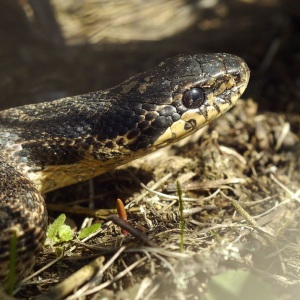
 Blotched snakeElaphe sauromates
Reptiles and amphibians of Romania
Romania is home to snakes, lizards, turtles, tortoises, frogs, salamanders and newts. Snakes, lizards and turtles are reptiles, while frogs, salamanders and newts are amphibians. Their habitats range from grasslands and rocky ground to damp forests and watersides.
Examples of native wildlife
- Snakes: grass snakes, Natrix natrix, and dice snakes are native examples.
- Lizards: sand lizards, Lacerta agilis, and European green lizards occur in suitable habitats.
- Turtles and tortoises: native species include Hermann’s tortoise and the European pond turtle.
- Frogs: the common frog, Rana temporaria, occurs in Romania.
- Salamanders and newts: fire salamanders, Salamandra salamandra, and several newt species are part of the native fauna.
How do reptiles and amphibians differ?
Turtles and tortoises are reptiles, not amphibians. Reptile skin is protected by scales or horny plates. Amphibian skin is generally more permeable and plays an important role in exchanges with the environment.
Many local amphibians use water for breeding and have aquatic larvae, although life cycles vary between species. Environmental temperature affects activity in both groups.
Habitats and food
Lizards may use sunny places with vegetation and refuges, while fire salamanders are associated with woodland and damp conditions. Some species use several habitats during their lives.
Diets vary: snakes and many adult frogs catch other animals, while turtle diets differ among species. Exotic pets kept in Romania are not part of its native wildlife.
Frequently asked questions
Which reptiles and amphibians occur in Romania?
Native examples include snakes, lizards, turtles, tortoises, frogs, salamanders and newts. Their species and habitats differ.
Are turtles amphibians?
No. Turtles and tortoises are reptiles.
Do all amphibians live permanently in water?
No. Many species use water for breeding, while adults may live on land in sufficiently damp habitats.
Sources: Romanian Ornithological Society — reptiles and amphibians of Romania · Romanian Ornithological Society — reptiles · Romanian Ornithological Society — amphibians · Cozia National Park — fire salamander
Blotched snakeElaphe sauromates
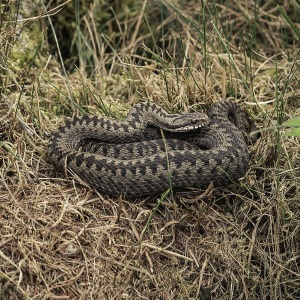 Common European adderVipera berus
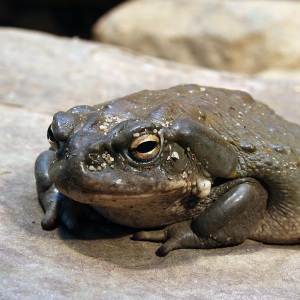 Common toadBufo bufo
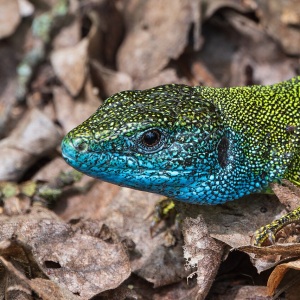 European green lizardLacerta viridis
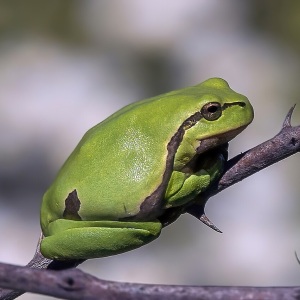 European tree frogHyla arborea
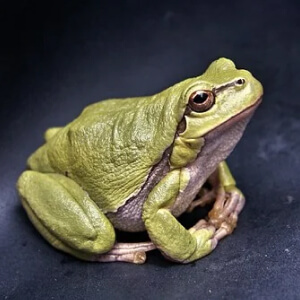 FrogAnura
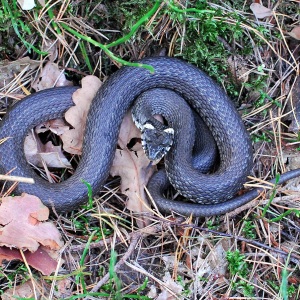 Grass snakeNatrix natrix
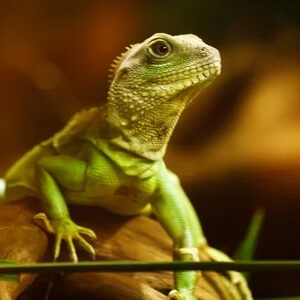 LizardSquamata (lizards)
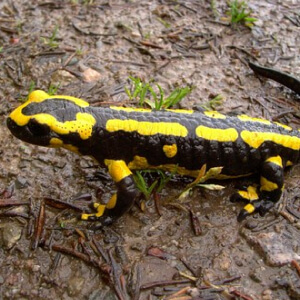 SalamanderCaudata (also called Urodela)
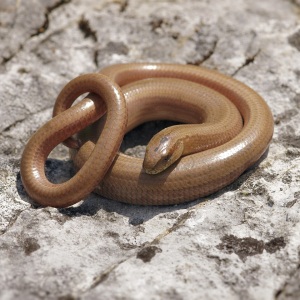 Slow wormAnguis fragilis
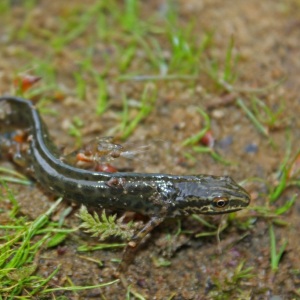 Smooth newtLissotriton vulgaris
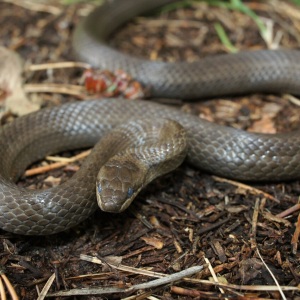 Smooth snakeCoronella austriaca
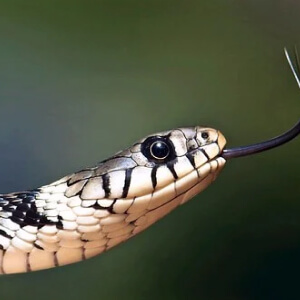 SnakeSerpentes
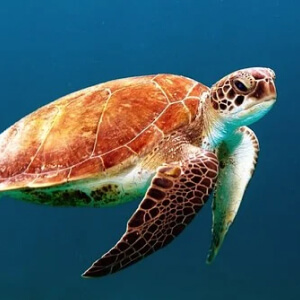 TurtleTestudines