Yakutian LaikaCharacteristics, history, training and care
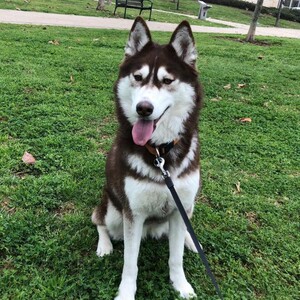
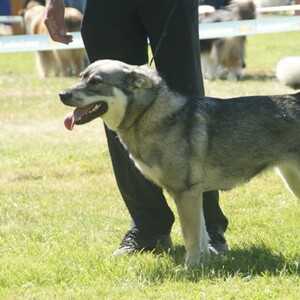
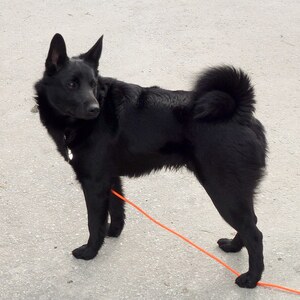
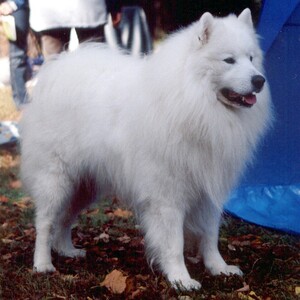
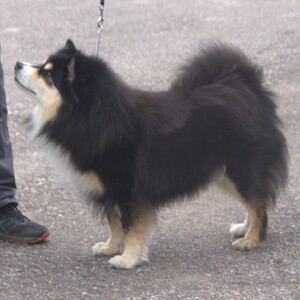
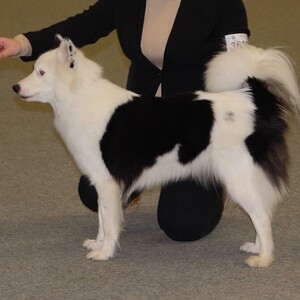
Yakutian Laika. · Canarian / Wikimedia Commons, CC BY-SA 4.0. Cropped and resized.
The Yakutian Laika is an ancient breed from north-eastern Russia, developed by the indigenous peoples as a sled and hunting dog. The FCI standard says archaeological finds show that local people were using dogs for sledding and hunting as long as 8,000 years ago, and describes it as bold, lively, people-oriented, friendly, sociable and energetic.
Quick facts
| Common name | Yakutian Laika (Yakutskaya Laika) |
| Scientific name | Canis lupus familiaris |
| Country of origin | Russia |
| Official recognition | FCI, provisionally (group 5, Nordic sled dogs; standard no. 365); AKC, in the Miscellaneous Class since 2024 |
| Lifespan | 10–12 years, according to the AKC |
| Size (males) | 55–59 cm at the withers; 18–25 kg according to the AKC |
| Size (females) | 53–57 cm at the withers |
| Coat type | Thick, glossy, harsh, of medium length, with a very dense undercoat |
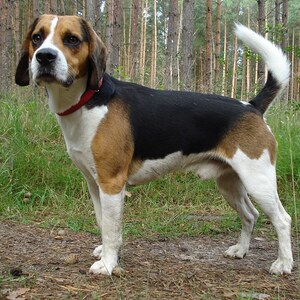
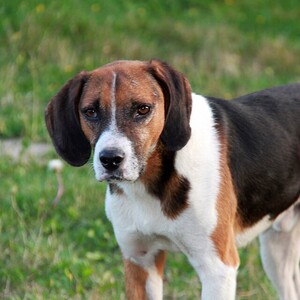
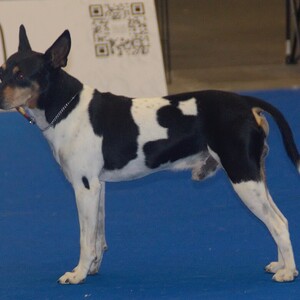
| Common colours | White with patches (bicolour or tricolour) |
| Energy level | Very high |
| Suited to an apartment? | Only with a great deal of exercise |
| Temperament | Bold, lively, friendly, sociable |
| Tendency to aggression | Very low towards people |
| Good with children | Very good, according to the AKC |
| Good with other animals | Good with dogs it knows; prey drive |
| Genetic predispositions | No breed-specific diseases are known |
- Primary category:Dog breeds
- Explore this animal's categories:
History and origin
The FCI standard says it is an ancient breed, developed naturally by the indigenous peoples of north-eastern Russia for sledding and hunting. The first records of dogs in the region date from 1633. The first published account, “How the Yakuts travel in winter”, appears in Nicolaes Witsen's book “Northern and Eastern Tartary” (Amsterdam, 1692), and in 1843 the Yakutian Laika was described as “a dog of a distinct breed”.
In 1856, the “Statistical Tables of the Russian Empire” counted 15,157 dogs used for sledding in the Yakutia region. The first standard for the north-eastern sled dog was adopted in 1958 and formed the basis of the Yakutian Laika standard, published in 2005 by the Russian Kynological Federation.
How the breed developed
- About 8,000 years ago – Dogs are used for sledding and hunting in the region.
- 1692 – The first published account, in Amsterdam.
- 1856 – 15,157 sled dogs in Yakutia.
- 2005 – The breed standard is published by the Russian Kynological Federation.
- 2019 – The current FCI standard.
Breed rating
| Feature | Stars |
|---|---|
| Training and intelligence | ★★★★☆ |
| Easy to train | ★★★★★ |
| Intelligence | ★★★★★ |
| Independence | ★★★★☆ |
| Stubbornness | ★★★★★ |
| Behaviour and temperament | ★★★☆☆ |
| Affectionate with family | ★★★★★ |
| Friendly with children | ★★★☆☆ |
| Good with other dogs | ★★★★☆ |
| Good with cats and other animals | ★★★★☆ |
| Loyalty | ★★★★★ |
| Tendency to be aggressive | ★★★☆☆ |
| Tendency to bark | ★★★★☆ |
| Needs and care | ★★★☆☆ |
| Shedding | ★★★★★ |
| Needs frequent grooming | ★★★★☆ |
| Activity and lifestyle | ★★★☆☆ |
| Energy level | ★★★★☆ |
| Daily exercise needs | ★★★★★ |
| Suited to apartment life | ★★★★★ |
| Health and longevity | ★★★★☆ |
| Life expectancy | ★★★★☆ |
| Predisposition to genetic diseases | ★★★☆☆ |
| Working abilities and uses | ★★★☆☆ |
| Good companion dog | ★★★★★ |
| Good companion dog | ★★★★☆ |
Indicative rating: 5 stars means the highest level. It is based on the ratings the American Kennel Club gives the breed and on the FCI standard.
Physical characteristics
It is a medium to large Nordic dog, with a wedge-shaped, moderately pointed head and a large black or brown nose. The AKC says its talent for pulling a sled is innate and needs little training.
General appearance
The coat is thick, glossy, straight and harsh, of medium length, with a very well-developed undercoat. It forms a mane around the neck, especially in males, and thick feathering on the back of the legs.
| Feature | Yakutian Laika |
|---|---|
| Size | Large |
| Height at the withers | males: 55–59 cm; females: 53–57 cm |
| Weight | 18–25 kg (AKC) |
| Coat | Thick, with a mane |
| Colour | White with patches |
| Type | Sled dog |
The standard accepts white with patches of any kind, bicolour or tricolour.
Training and socialisation
The standard describes it as bold, lively, people-oriented, friendly, sociable and energetic. The AKC says training is fairly easy thanks to its intelligence and willing nature, but it has a strong tendency to think for itself and will only obey if it fully trusts its owner.
The AKC adds that it is slightly reserved with strangers, but most of the time happy to make a new playmate; aggression towards people has been carefully bred out.
Tips for effective training
- Earn its trust. Otherwise it will not obey.
- Use rewards. It learns easily.
- Give it a job. It loves pulling a sled.
- Keep it on a lead. It has a prey drive.
Activity needs and lifestyle
The AKC says it is a sled dog with a clear prey drive that thrives on regular exercise and enough training: running alongside a bicycle, pulling a sled or harness, playing fetch in the yard.
| Activity | How often | Why it matters |
|---|---|---|
| Running or cycling | daily | Energy |
| Pulling a sled or harness | weekly in winter | Instinct |
| Fetch | daily | Play |
Tips for a balanced life
- Suited to very active owners.
- Brush it daily when it sheds.
- It copes very well with cold.
Care and health
Coat and skin care
The AKC says it sheds seasonally, and without regular brushing the hair can get out of hand. It should be brushed weekly with a pin brush and a metal comb, and daily during the shedding season.
Common health problems
No health studies have been published for the breed and no specific diseases are known. As with any large, active dog, it is worth watching out for:
| Condition | Description | Common symptoms |
|---|---|---|
| Hip dysplasia | The hip joint forms incorrectly and, over time, arthritis develops | Limping, difficulty getting up or jumping, hip pain |
| Elbow dysplasia | The elbow joint develops incorrectly and arthritis appears | Limping on the front legs, especially after exercise |
Other care
- Ask for the parents' hip tests.
- Keep it away from great heat.
- Go for yearly check-ups.
Diet and nutrition
The AKC recommends good-quality food suited to the dog's age, and attention to its weight.
Tips for a healthy diet
The table gives a starting estimate, calculated with the formula from the Merck Veterinary Manual. The first two calorie columns show the calories per day for a healthy adult dog. The last column shows what this means in dry food with 3,500–4,000 kcal per kilogram.
| Dog's weight | Calories per day (neutered) | Calories per day (not neutered) | Dry food per day (approximate) |
|---|---|---|---|
| 18 kg | 980 kcal | 1,100 kcal | 240–310 g |
| 21 kg | 1,100 kcal | 1,240 kcal | 280–350 g |
| 25 kg | 1,250 kcal | 1,410 kcal | 310–400 g |
- Adjust the portion to its level of effort.
- Do not let it run straight after a meal.
- A dog is at the right weight when you can feel its ribs under the coat without pressing hard.
Foods to avoid
Some human foods are dangerous for dogs: chocolate, coffee, grapes and raisins, onions, garlic, xylitol (a sweetener used in chewing gum), macadamia nuts and alcohol.
Reproduction and development
Physical and emotional maturity
In dogs, sexual maturity usually comes between 6 and 12 months, but in large breeds it can be delayed until about two years. The body also reaches its adult form later than in small breeds.
Mating and pregnancy
Pregnancy lasts about 63 days, counted from ovulation. Mating a female on her first heat is not recommended. The FCI standard requires that only healthy dogs of typical breed appearance are used for breeding.
Caring for the puppies
In large breeds, a litter has around 7 puppies on average. Socialisation starts in the first weeks: gentle handling, everyday noises and new people.
Interesting facts
- 8,000 years of sledding. Archaeology shows sled dogs that old in the region.
- 15,157 dogs. That is how many were counted in Yakutia in 1856.
- No aggression. Aggression towards people has been bred out.
- A born sled dog. It needs little training for it.
- A member of the family. The AKC says it was treated as a member of the family.
Frequently asked questions
What colours does it come in?
White with patches, bicolour or tricolour.
Is it good with children?
Yes; the AKC gives it the top score.
Does it need a lot of exercise?
Yes, a great deal.
How long does it live?
The AKC gives 10–12 years.