OtterInteresting facts and information
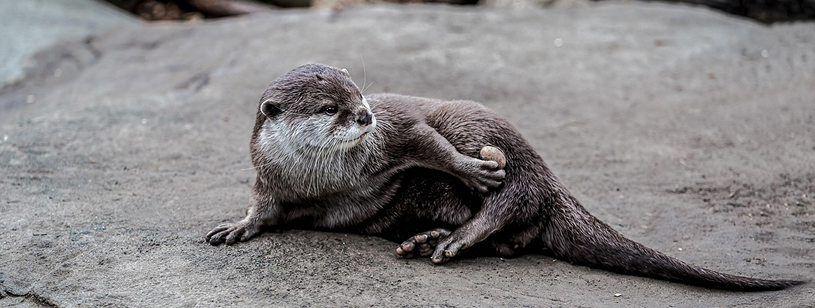
Otters are mammals in the weasel family, grouped in the subfamily Lutrinae. Most live near fresh water or coasts. Species such as the Eurasian otter (Lutra lutra) and North American river otter (Lontra canadensis) have different ranges and conservation situations.
Pollution and changes to rivers, wetlands and coasts can affect otters. Their population trends and threats need to be assessed separately by species and region.
Quick facts
| Common name | Otter |
| Scientific name | Lutrinae; Lutra lutra is the Eurasian otter, Lontra canadensis the North American river otter |
| Typical lifespan | Usually about 4-10 years in the wild, up to about 20 years in captivity |
| Maximum swimming speed | Varies with species or individual, distance and conditions |
| Length | About 45-100 cm (without tail), depending on species |
| Tail length | About 25-50 cm |
| Weight | About 3-45 kg, depending on species (sea otters are the heaviest) |
| Diet | Carnivore (fish, crustaceans, amphibians, shellfish, small mammals) |
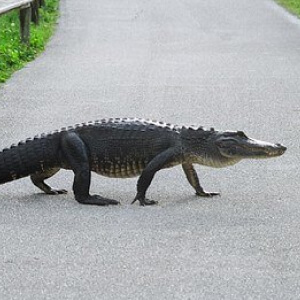
| Main predators | Varies by species: wolves, lynxes, alligators, orcas, sharks, eagles (for young); people |
| Conservation status | Assess separately by species and population; regional trends and needs differ |
| Distribution | Europe, Asia, Africa, North and South America |
| Habitat | Rivers, lakes, wetlands, deltas, coasts |
- Primary category:Mammals
- Explore this animal's categories:Animals of AfricaAnimals of AsiaAnimals of EuropeAnimals of North AmericaAnimals of RomaniaAnimals of South AmericaAnimals of the Danube DeltaAquatic animalsCarnivoresFish-eating animalsForest animalsFreshwater animalsFurry animalsLive-bearing animalsMammalsMammals of RomaniaMustelidsOPredatory animals of RomaniaProtected animals of RomaniaSemi-aquatic animalsVertebratesWetland animals
Interesting facts
- Tool users - Sea otters float on their backs and crack open shellfish and sea urchins by hitting them against a stone resting on their chest.
- The densest fur - Sea otters have the thickest fur of any animal, with up to about 150,000 hairs per square centimetre, which traps air and keeps them warm in cold water.
- Playful animals - Otters are famous for sliding down muddy or snowy banks, juggling pebbles and chasing each other in the water.
- Good divers - Sea otters can stay underwater for up to about 5 minutes, while river otters usually dive for less than a minute.
- Lots of sounds - Otters communicate with whistles, chirps, squeaks, growls and screams.
- Swimming lessons - Young river otters are not born knowing how to swim; their mother takes them into the water when they are a few months old.
- Holding paws - Sea otters sometimes hold paws while sleeping on the water, and they often wrap themselves in kelp so they do not drift away.
Records and remarkable features
- Otters are mammals in the weasel family, grouped in the subfamily Lutrinae.
- The largest otters - The giant otter of South America can be about 1.7 m long including the tail, and the sea otter is the heaviest, weighing up to about 45 kg.
- The smallest otter - The Asian small-clawed otter weighs only about 3-5 kg.
- Big appetites - A sea otter eats about a quarter of its body weight in food every day.
Physical Features and Unique Adaptations
Otters are semi-aquatic mammals with special adaptations that make them excellent swimmers and skilful hunters in the water.
Essential physical adaptations
- A long, streamlined body - Lets them swim fast and twist and turn underwater.
- Dense, waterproof fur - Traps a layer of air that keeps them warm and dry; unlike seals and whales, otters have no thick layer of blubber.
- Webbed feet - Help them swim powerfully.
- A long, muscular tail - In river otters, it helps push them through the water and steer.
- Closable nostrils and ears - They close underwater to keep water out.
- Sensitive whiskers - Detect the movements of prey in murky water.
- Diving ability - Their heart rate slows down when they dive, saving oxygen.
Habits and behaviour
Otters are intelligent, playful and very agile animals with interesting social lives.
Way of life
- Alone or in groups - The Eurasian otter usually lives alone or as a mother with cubs, while giant otters and sea otters often live in groups.
- Active times - Eurasian otters are mostly active at night and dusk, but where they are not disturbed they may be active by day.
- Scent marking - Otters mark their territories with droppings called spraints, which are said to smell of jasmine tea.
- Dens - River otters rest in dens called holts, often in riverbanks or among tree roots, sometimes with underwater entrances.
Social interactions
- Communication - Otters use whistles, chirps and growls to keep in touch with family members.
- Protective mothers - Mothers care for their cubs and teach them to swim and catch food.
- Rafts - Sea otters rest together in groups called rafts, sometimes of hundreds of animals.
Hunting techniques
- Hunting underwater - Otters chase prey underwater, using their whiskers to sense movement.
- Using tools - Sea otters use stones to open shellfish, one of the few mammals outside the primates known to use tools.
- Eating a lot - Because they lose a lot of heat in water, otters need to eat about 15-25% of their body weight every day.
Habitat and geographic distribution
There are 13 species of otters, living on every continent except Australia and Antarctica, in rivers, lakes, wetlands and along coasts.
Species distribution
| Region | Example species |
|---|---|
| Europe, Asia and North Africa | Eurasian otter (Lutra lutra) |
| North America | North American river otter (Lontra canadensis), sea otter (Enhydra lutris) |
| South America | Giant otter (Pteronura brasiliensis) |
| South and South-East Asia | Asian small-clawed otter (Aonyx cinereus) |
| Africa | African clawless otter (Aonyx capensis), spotted-necked otter |
Habitats
- Rivers and lakes - The main habitat of most otters, for hunting and breeding.
- Coasts and estuaries - Sea otters live in the sea, and Eurasian otters often hunt along rocky coasts.
- Marshes and deltas - Wetlands rich in fish and crayfish, such as the Danube Delta.
Impact of climate change and human activities
- Water pollution - Pesticides and other chemicals poisoned many otters in the 20th century and reduced their food.
- Habitat destruction - Draining wetlands, building dams and clearing riverbanks destroy otter habitat.
- Changes in food - Warmer water and overfishing can affect the fish and crustaceans that otters eat.
Diet and feeding
Otters are carnivores that eat many kinds of water animals, which they need to fuel their high energy use.
What does the otter eat?
| Food type | Specific examples |
|---|---|
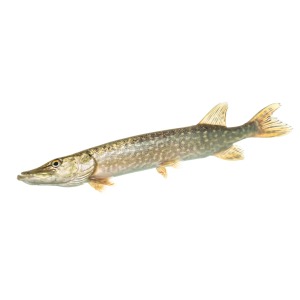
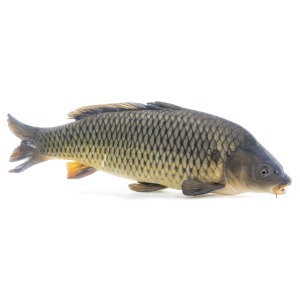
| Fish | Trout, perch, pike, eels, carp |
| Crustaceans | Crayfish and crabs |
| Amphibians | Frogs, toads, newts |
| Shellfish and other sea animals | Mussels, clams, sea urchins (especially sea otters) |
| Birds and eggs | Ducks, coots, waterbirds' eggs |
| Small mammals | Water voles, rats, young rabbits (occasionally) |
Feeding methods
- Fast diving - Otters chase prey underwater, using their whiskers to follow it.
- Night hunting - Many river otters hunt at night or at dusk.
- Catching with the mouth - River otters usually catch fish with their teeth; small-clawed otters feel for food with their nimble paws.
- Eating on land or water - River otters often eat on the bank, while sea otters eat floating on their backs, using their chests as a table.
Reproduction and life cycle
Otter breeding differs between species; in most, the mother raises the young alone.
Breeding season
- Eurasian otters can breed at any time of year.
- North American river otters have delayed implantation, so their cubs are born in late winter or spring.
- In most species, the male leaves after mating and does not help raise the cubs, but in giant otters the whole family helps.
Pregnancy and birth
| Characteristic | Details |
|---|---|
| Duration of pregnancy | About 60-65 days in the Eurasian otter (longer in species with delayed implantation) |
| Number of cubs per birth | Usually 2-3 |
| Cubs at birth | About 100-130 g, blind but covered with soft fur |
| Nursing period | About 3-4 months |
Raising cubs
- The cubs stay in the holt for the first two months, feeding on milk.
- At about 2-3 months, their mother takes them into the water and teaches them to swim.
- Young otters learn to hunt with their mother and stay with her for about a year.
- After that, they leave to find their own territory.
Survival rate
- Many young otters die before they are adults, especially in road accidents and from starvation.
- River otters usually live about 4-10 years in the wild and up to about 20 years in captivity.
Name and history
Origin of name
- The English word "otter" comes from Old English otor, an ancient word related to "water".
- The Latin name Lutra, used for the Eurasian otter, was the Roman name for the animal.
Taxonomic Classification
| Classification | Name |
|---|---|
| Kingdom | Animalia |
| Phylum | Chordata |
| Class | Mammalia |
| Order | Carnivora |
| Family | Mustelidae |
| Genera | Lutra, Lontra, Pteronura, Enhydra, Aonyx and others |
Evolution and fossils
- Otters belong to the weasel family and are related to martens, badgers and weasels.
- Their ancestors adapted to life in water millions of years ago; some extinct otters were much larger than any living species.
Cultural significance and mythology
Otters appear in myths and folklore around the world, often as clever, playful or magical animals.
- Norse mythology - In the story of Otr, a dwarf who took the shape of an otter is killed by the god Loki, and the gods must pay a ransom in gold, leading to the cursed treasure of the dwarf Andvari.
- Japan - In Japanese folklore, the kawauso is a shape-shifting river otter that plays tricks on people.
- Native American traditions - For several Native American peoples, the otter is a symbol of playfulness and good fortune.
Conservation status and threats
Otters are important indicators of the health of rivers and coasts, and more than half of the 13 otter species are threatened.
Main threats
- Habitat loss - Draining wetlands, clearing riverbanks and building on coasts destroy otter habitat.
- Water pollution - Chemicals and oil spills harm otters and their food.
- Hunting and illegal trade - Otters were hunted heavily for their fur, and today some are captured for the illegal pet trade, especially in Asia.
- Fewer fish - Overfishing and pollution reduce their food.
- Road accidents - Many otters are killed crossing roads near rivers.
Protection efforts
| Measure | Organisation / Action |
|---|---|
| Habitat protection | Nature reserves and restored rivers and wetlands |
| Cleaner water | Banning harmful pesticides helped otters return to many European rivers |
| Trade controls | CITES controls international trade in otters |
| Monitoring | Conservation groups and researchers survey otter populations |
Threatened species
- Eurasian otter (Lutra lutra) - Near Threatened; it almost disappeared from parts of Europe because of pollution, but has returned to many rivers.
- Sea otter (Enhydra lutris) - Endangered; it was hunted almost to extinction for its fur and has partly recovered.
- Giant otter (Pteronura brasiliensis) - Endangered, because of habitat loss, mining pollution and past hunting.
Otters in popular culture
- Tarka the Otter (Henry Williamson, 1927) - A classic novel about the life of an otter in the English countryside.
- Ring of Bright Water (Gavin Maxwell, 1960) - A famous book about the author's life with pet otters in Scotland, later made into a film.
- The Wind in the Willows (Kenneth Grahame, 1908) - Otter is one of the friends of Mole and Ratty.
Otters as symbols
- Internet stars - Videos of sea otters holding paws at the Vancouver Aquarium became famous around the world.
- Conservation - The sea otter is a symbol of healthy kelp forests, because it eats the sea urchins that would otherwise destroy them.