
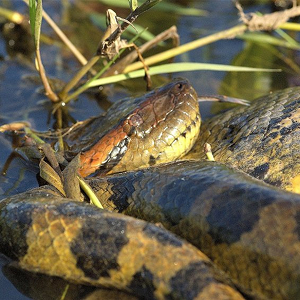
 AnacondaEunectes
Camouflaged animals
Camouflaged animals are harder to notice in their surroundings. Body colours, patterns, shape and behaviour can help them avoid predators or approach prey. Tigers, snow leopards, octopuses and cuttlefish use different forms of camouflage.
Types of camouflage
- Permanent patterns: spots and stripes on some cats help break up the outline of the body.
- Rapid changes: octopuses and cuttlefish can change their skin patterns and colours.
- Colours suited to snow: the pale coat of a polar bear and some seasonal variations in Arctic fox coats reduce contrast with their surroundings.
- Shape and stillness: an animal can be harder to recognise among leaves, branches or stones.
Colour, communication and habitat
Colour changes in chameleons also serve communication and temperature regulation. Abilities differ between species and depend on the situation.
Camouflage depends on light, season and place. A snow leopard’s pattern suits rocky terrain, while a tiger’s stripes can conceal its outline in vegetation. Nocturnal and polar animals have varied adaptations to the conditions where they live.
Sources: San Diego Zoo — camouflage in cats · Monterey Bay Aquarium — cephalopods · Research — colour and communication in chameleons · National Park Service — Arctic adaptations · WWF — snow leopard
AnacondaEunectes
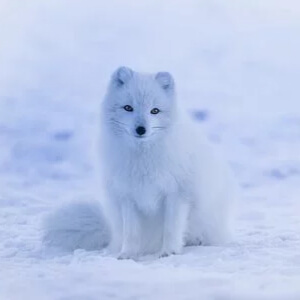 Arctic foxVulpes lagopus
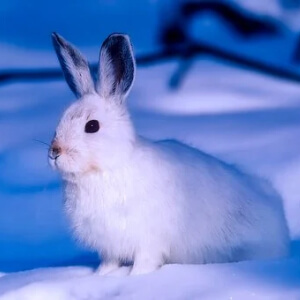 Arctic hareLepus arcticus
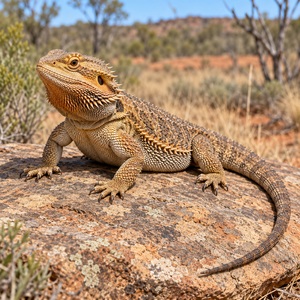 Bearded dragonPogona vitticeps
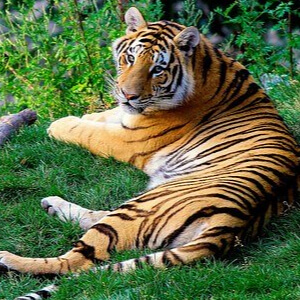 Bengal tigerPanthera tigris
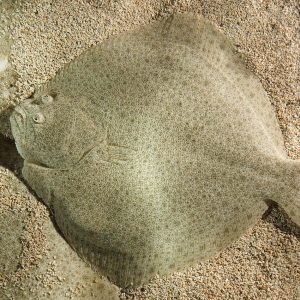 Black Sea turbotScophthalmus maeoticus
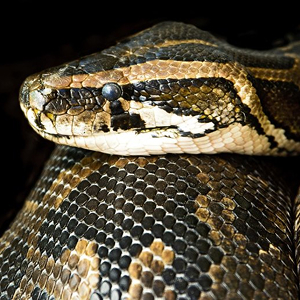 BoaBoa constrictor
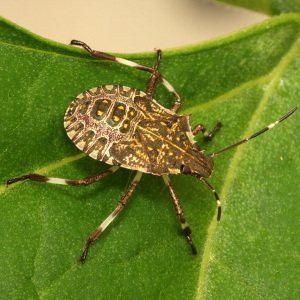 Brown marmorated stink bugHalyomorpha halys
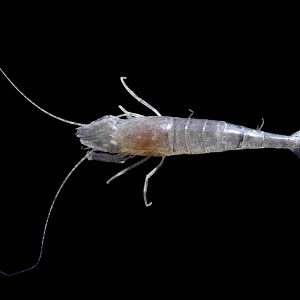 Brown shrimpCrangon crangon
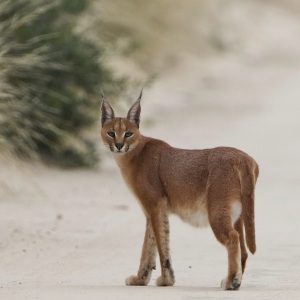 CaracalCaracal caracal
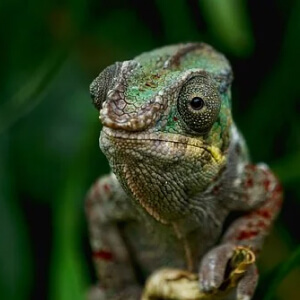 ChameleonChamaeleonidae
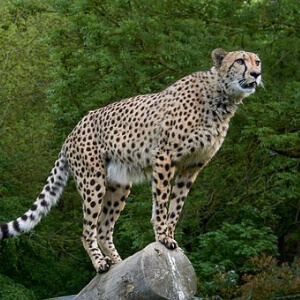 CheetahAcinonyx jubatus
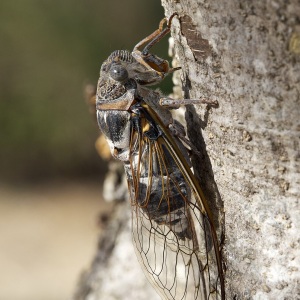 Cicada orniCicada orni
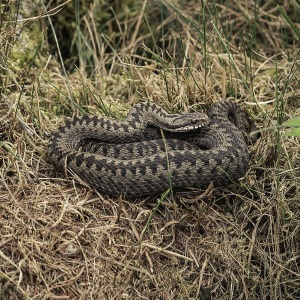 Common European adderVipera berus
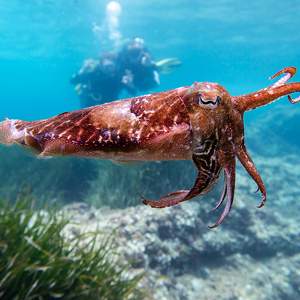 CuttlefishSepiida
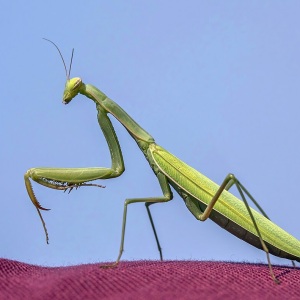 European mantisMantis religiosa
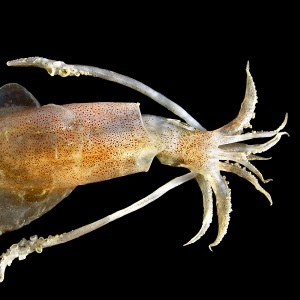 European squidLoligo vulgaris
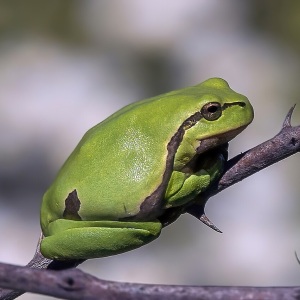 European tree frogHyla arborea
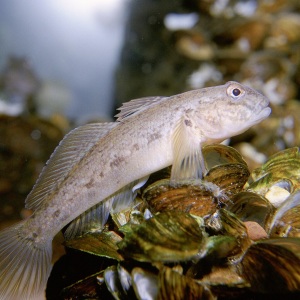 GobyGobiidae
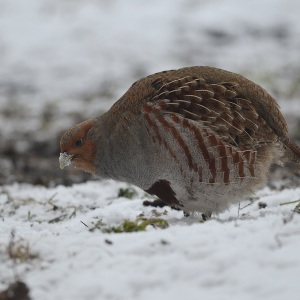 Grey partridgePerdix perdix
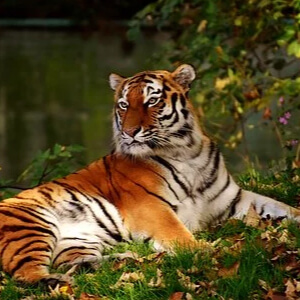 Indochinese tigerPanthera tigris
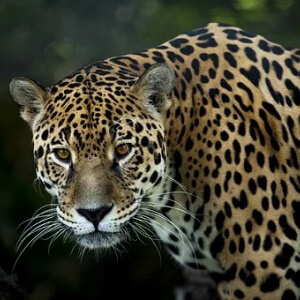 JaguarPanthera onca
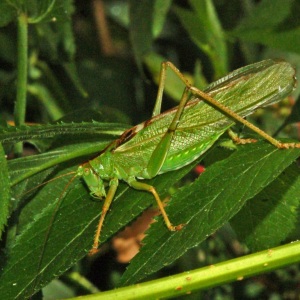 KatydidTettigoniidae
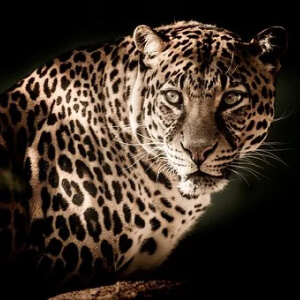 LeopardPanthera pardus
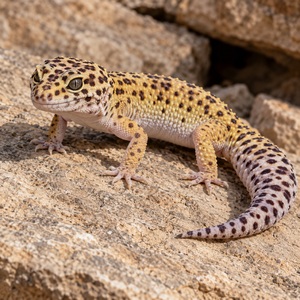 Leopard geckoEublepharis macularius
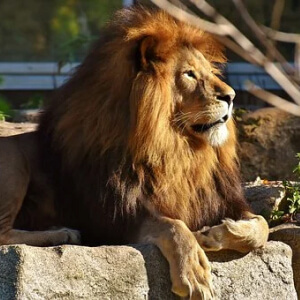 LionPanthera leo
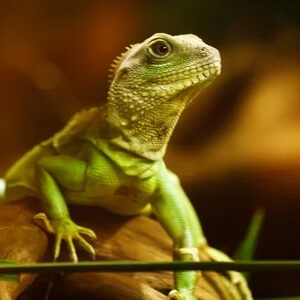 LizardSquamata (lizards)
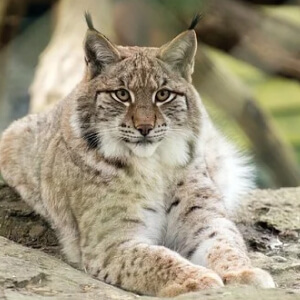 LynxLynx spp.
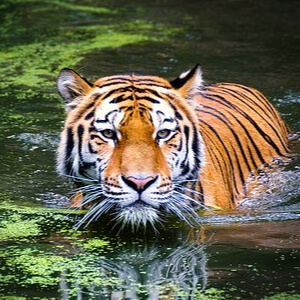 Malayan tigerPanthera tigris
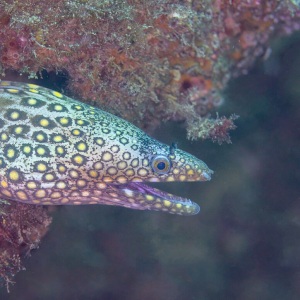 Moray eelMuraenidae
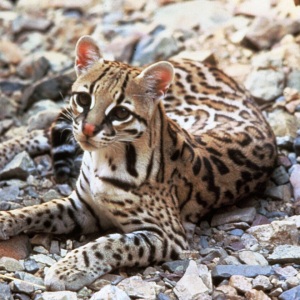 OcelotLeopardus pardalis
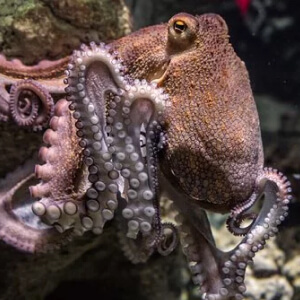 OctopusOctopoda
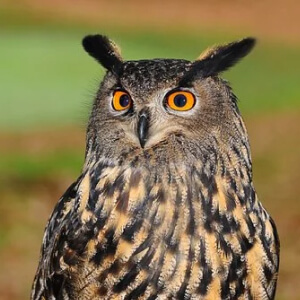 OwlStrigiformes
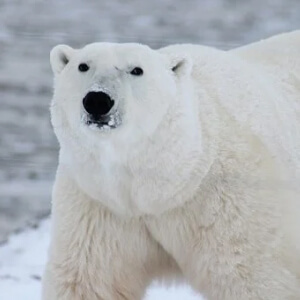 Polar bearUrsus maritimus
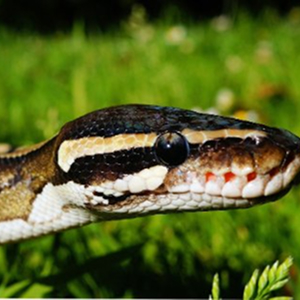 PythonPythonidae
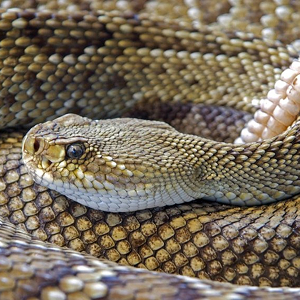 RattlesnakeCrotalus and Sistrurus spp.
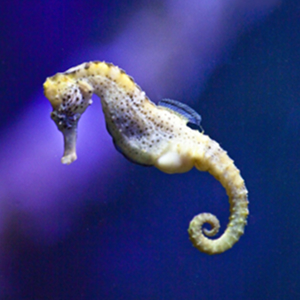 SeahorseHippocampus
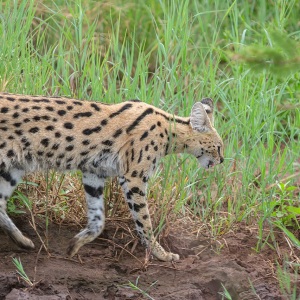 ServalLeptailurus serval
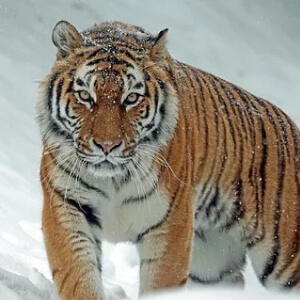 Siberian tigerPanthera tigris
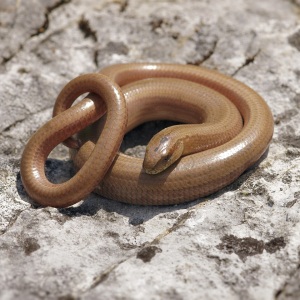 Slow wormAnguis fragilis
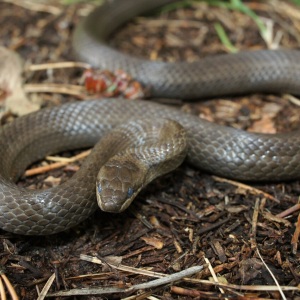 Smooth snakeCoronella austriaca
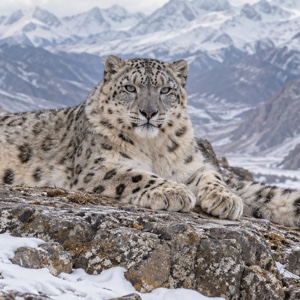 Snow leopardPanthera uncia
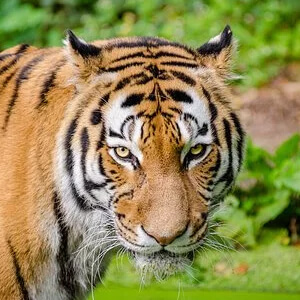 South China tigerPanthera tigris
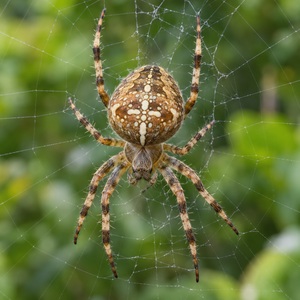 SpidersAraneae
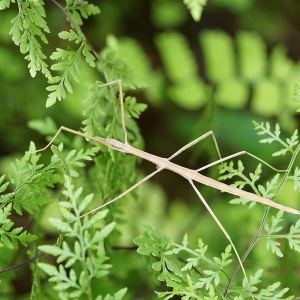 Stick insectPhasmatodea
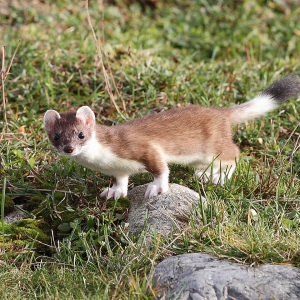 StoatMustela erminea
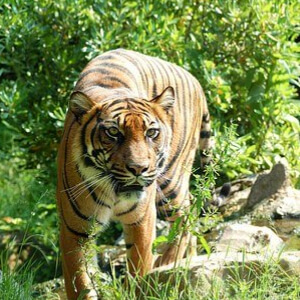 Sumatran tigerPanthera tigris
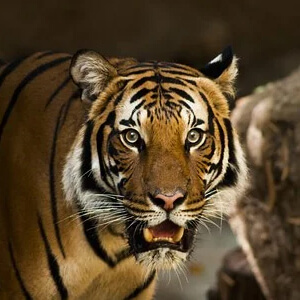 TigerPanthera tigris
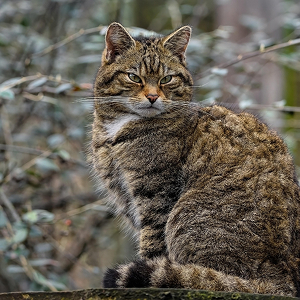 WildcatFelis silvestris (European wildcat)