
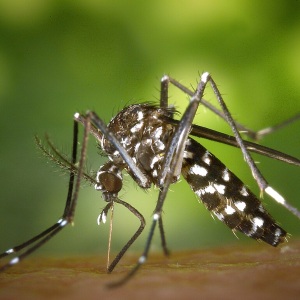
 Asian tiger mosquitoAedes albopictus
Striped animals
Zebras, tigers, okapis and lowland streaked tenrecs are familiar striped animals. Stripes may cover much of the body or appear mainly on the legs. Ring-tailed lemurs, raccoons and red pandas have contrasting bands around their tails.
Where do stripes appear?
- Zebras: black-and-white patterns vary among species and individuals.
- Tigers: dark coat stripes can help researchers recognise individual animals.
- Okapis: pale bands mark the limbs and hindquarters, contrasting with a mainly brown body.
- Lowland streaked tenrecs: yellowish stripes stand out against a dark body, with spines among the fur.
- Ringed tails: alternating bands are visible on ring-tailed lemurs, raccoons and red pandas.
Do all stripes have the same function?
Similar patterns can have different explanations. Their functions depend on the species, its surroundings and how other animals see them. Camouflage is only one possible explanation.
A pattern can help identify an individual without revealing its diet or relationships. Zebras eat plants, while tigers hunt other animals.
Patterns and animal relationships
Tail rings are bands of colour, but they do not make a raccoon a close relative of a lemur. Bengal, Siberian and Sumatran tigers are forms of the tiger, rather than separate species in their own right.
Frequently asked questions
Which animals have stripes?
Examples include zebras, tigers, okapis and lowland streaked tenrecs. Ring-tailed lemurs, raccoons and red pandas have banded tails.
Are okapis closely related to zebras?
No. Okapis belong to the giraffe family, despite the zebra-like stripes on their legs.
Do all stripes serve the same purpose?
No. Their functions depend on the species and context.
Sources: San Diego Zoo — zebra · Smithsonian — tiger · San Diego Zoo — okapi · San Diego Zoo — lemur · San Diego Zoo — raccoon · San Diego Zoo — red panda · IUCN Afrotheria Specialist Group — tenrecs
Asian tiger mosquitoAedes albopictus
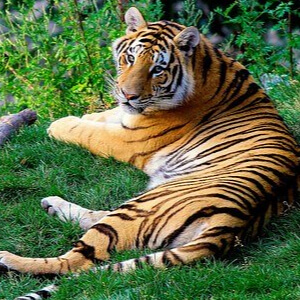 Bengal tigerPanthera tigris
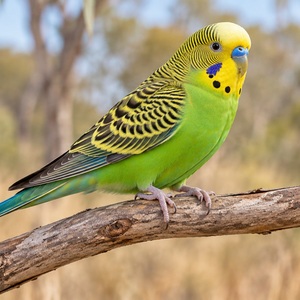 BudgerigarMelopsittacus undulatus
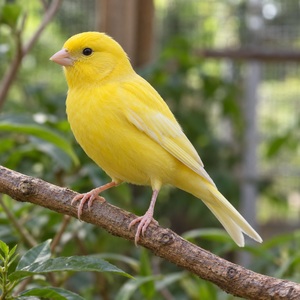 CanarySerinus canaria
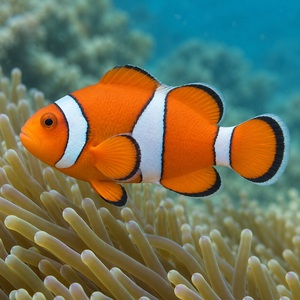 Common clownfishAmphiprion ocellaris
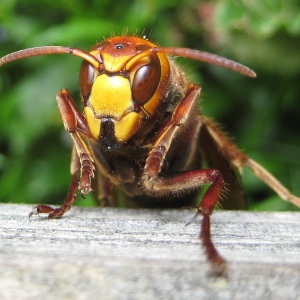 European hornetVespa crabro
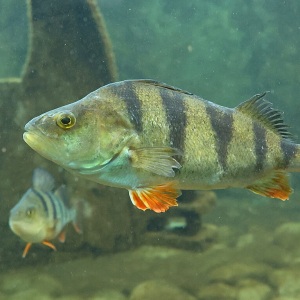 European perchPerca fluviatilis
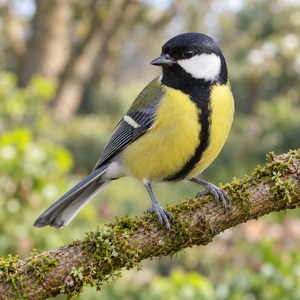 Great titParus major
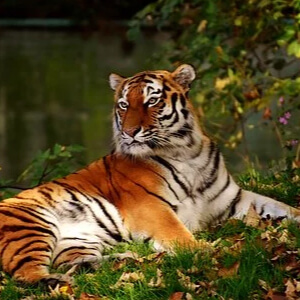 Indochinese tigerPanthera tigris
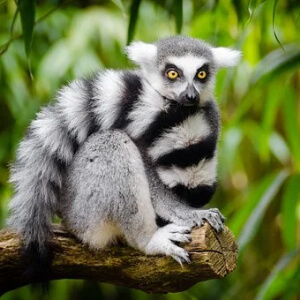 LemurLemuriformes (several families)
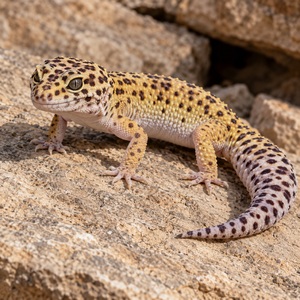 Leopard geckoEublepharis macularius
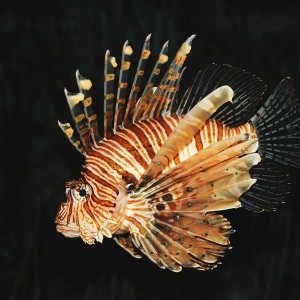 LionfishPterois
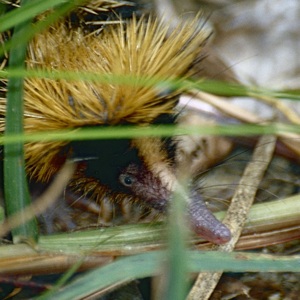 Lowland streaked tenrecHemicentetes semispinosus
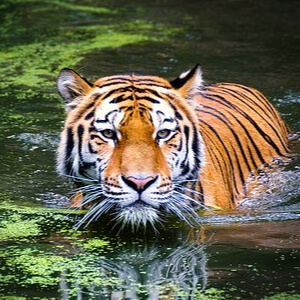 Malayan tigerPanthera tigris
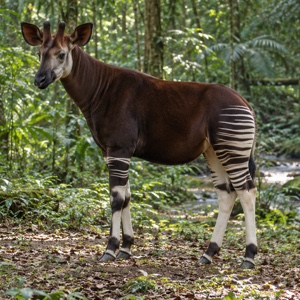 OkapiOkapia johnstoni
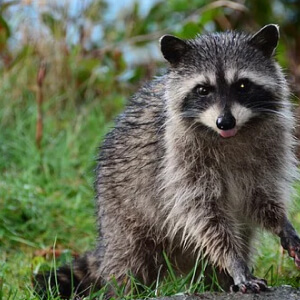 RaccoonProcyon lotor
 Red pandaAilurus spp.
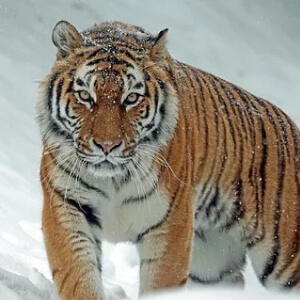 Siberian tigerPanthera tigris
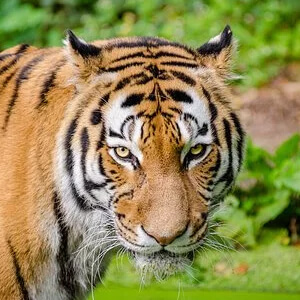 South China tigerPanthera tigris
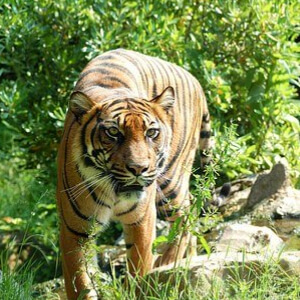 Sumatran tigerPanthera tigris
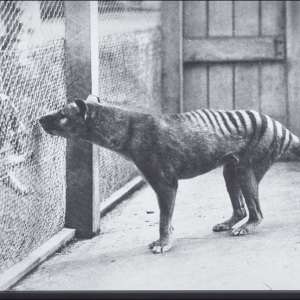 ThylacineThylacinus cynocephalus
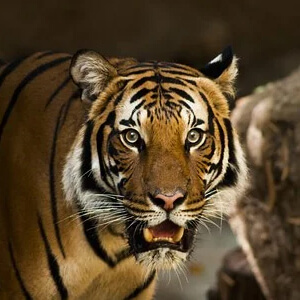 TigerPanthera tigris
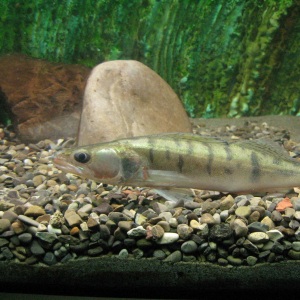 ZanderSander lucioperca
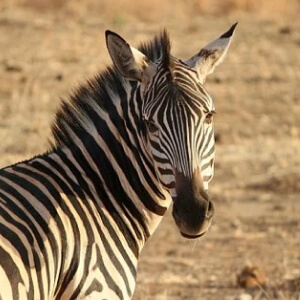 ZebraEquus quagga, Equus zebra and Equus grevyi
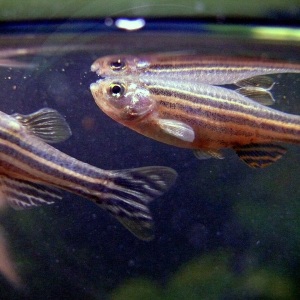 ZebrafishDanio rerio