
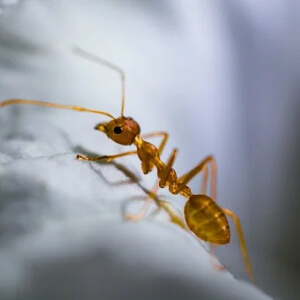
 AntFormicidae
Predatory animals of Romania
Romania’s predatory animals capture other animals for food. Wolves, Eurasian lynxes and wildcats are familiar examples, but otters, birds of prey, dragonflies and aphid-eating ladybirds are predators too.
Predation describes a way of feeding, not a measure of danger to people. A small animal may be a predator, and an omnivorous species may hunt without eating meat exclusively.
Predators of forests, fields and waterways
- Mammals: wolves, lynxes, wildcats, weasels, polecats and martens capture prey of different sizes. Red foxes and golden jackals have mixed diets that include hunted animals.
- Predators associated with water: otters and European mink search for food near waterways, while water shrews capture small animals.
- Birds: local hawks and falcons hunt by day; owls such as the tawny owl are mainly active at night. Storks and herons also capture prey.
- Reptiles and amphibians: local snakes, lizards and adult frogs may eat other animals, depending on the species.
- Insects: dragonflies capture prey as both larvae and adults. Larvae of some hoverflies and many ladybirds eat aphids.
How do they find and capture prey?
Methods differ according to body structure, senses and habitat. Wolves may cooperate, lynxes approach quietly and weasels can slip through narrow places. Local bats mainly catch insects, using echolocation to navigate and find food.
Diet can change during an animal’s life. For example, adult hoverflies visit flowers, while only the larvae of certain species are predators. Similarly, adult frogs have different diets from many tadpoles.
The relationship between predators and prey
Predators form part of food webs and are influenced by prey availability and habitat quality. Loss of vegetation, water pollution or forest fragmentation can affect both sides of this relationship.
Frequently asked questions
- What does it mean for an animal to be a predator? It means that it catches and eats other animals. Some species hunt only during a particular life stage and may also use other food sources.
- Are all predators dangerous to people? No. Dragonflies and aphid-eating ladybirds are predators, but they are harmless to people.
- Are hoverflies predators? Larvae of some hoverfly species capture aphids. Adults usually feed at flowers, and larvae of other species have different diets.
Sources: Retezat National Park — fauna · Romanian Ornithological Society — European hamsters in Romania · Bat Conservation and Research Centre (CCCL) — bats of Romania · Romanian Ornithological Society — garden biodiversity · Romanian Ornithological Society — reptiles and amphibians
AntFormicidae
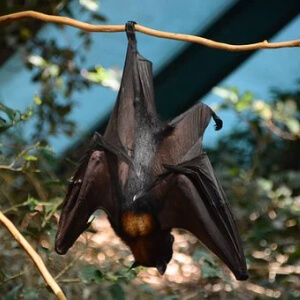 BatChiroptera
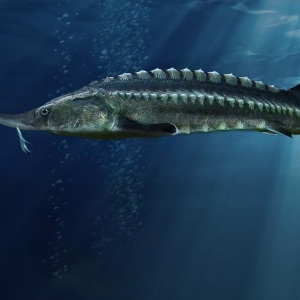 Beluga sturgeonHuso huso
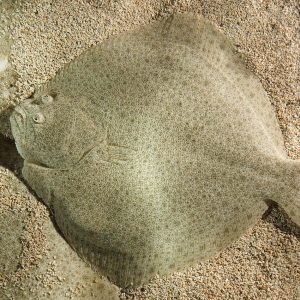 Black Sea turbotScophthalmus maeoticus
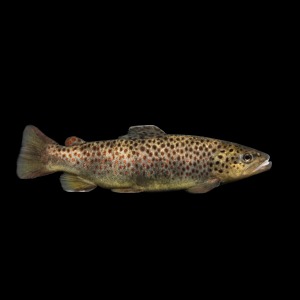 Brown troutSalmo trutta
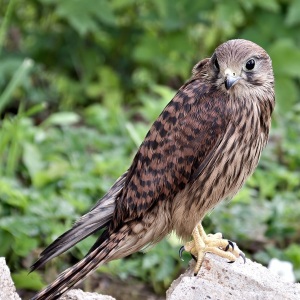 Common kestrelFalco tinnunculus
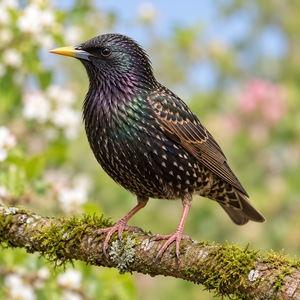 Common starlingSturnus vulgaris
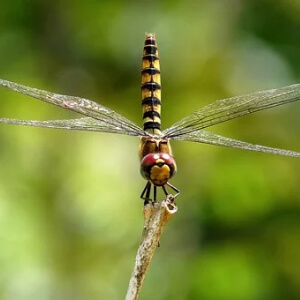 DragonflyAnisoptera (within Odonata)
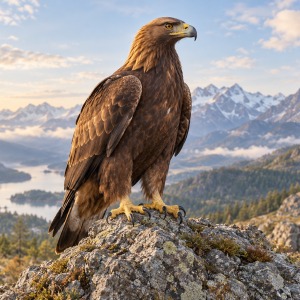 EaglesSeveral genera in Accipitridae
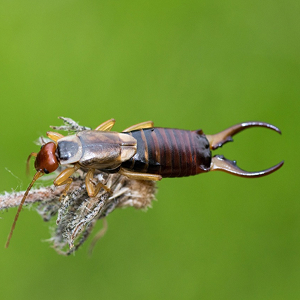 EarwigForficula auricularia
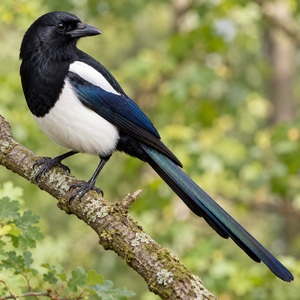 Eurasian magpiePica pica
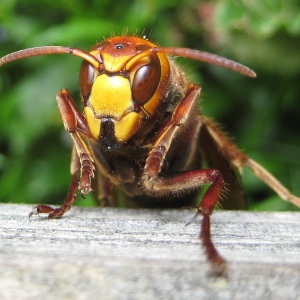 European hornetVespa crabro
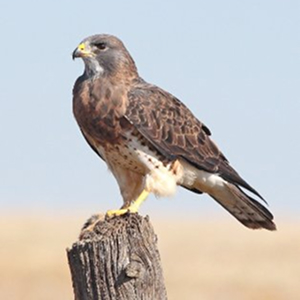 FalconFalco spp.
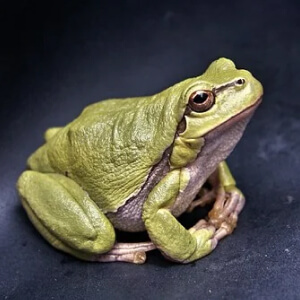 FrogAnura
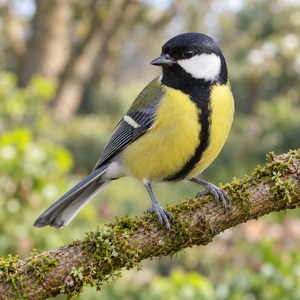 Great titParus major
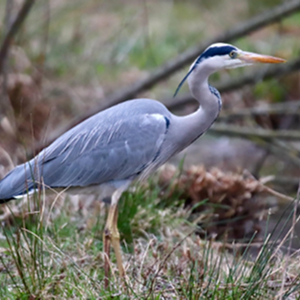 Grey heronArdea cinerea
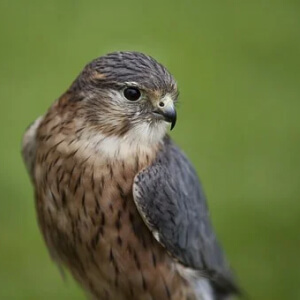 HawkAccipitridae; includes Accipiter and Astur
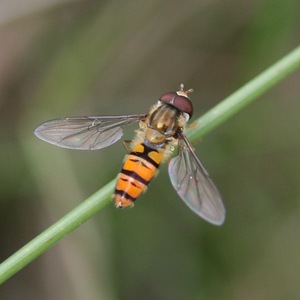 HoverfliesSyrphidae
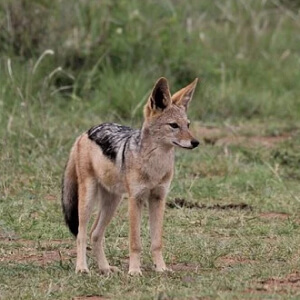 JackalCanis and Lupulella
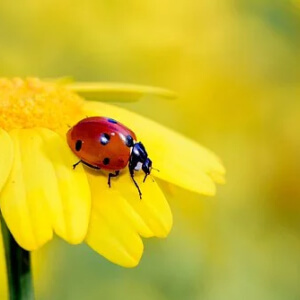 LadybirdCoccinellidae
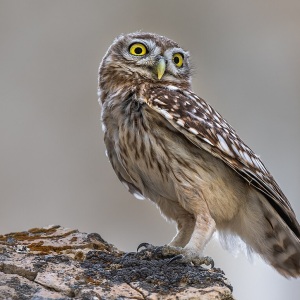 Little owlAthene noctua
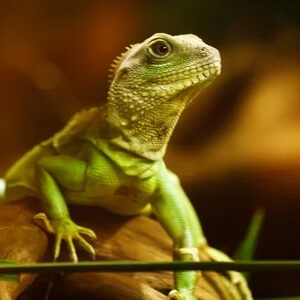 LizardSquamata (lizards)
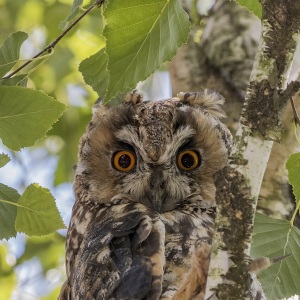 Long-eared owlAsio otus
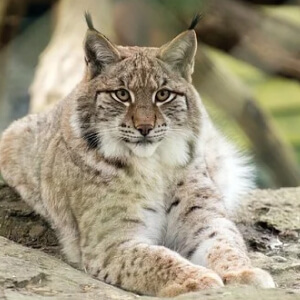 LynxLynx spp.
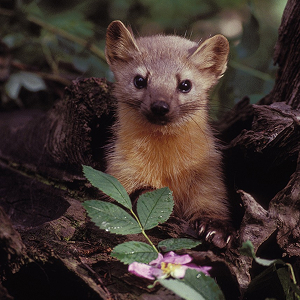 MartenMartes spp.
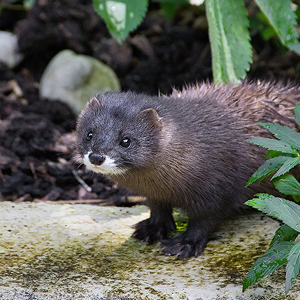 MinkMustela lutreola (European mink); Neogale vison (American mink)
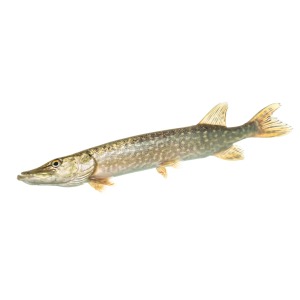 Northern pikeEsox lucius
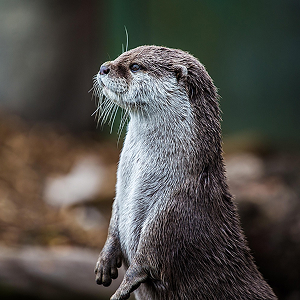 OtterLutrinae; Lutra lutra is the Eurasian otter, Lontra canadensis the North American river otter
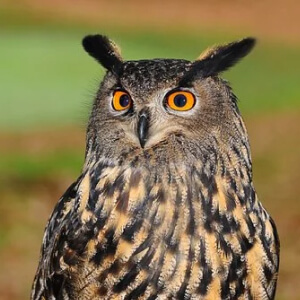 OwlStrigiformes
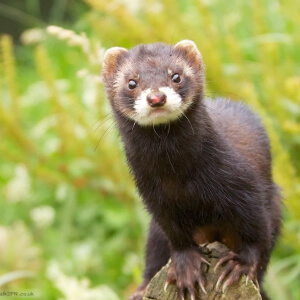 PolecatMustela (polecats and related ferrets)
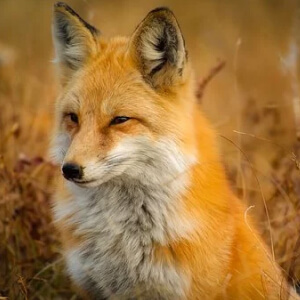 Red foxVulpes vulpes
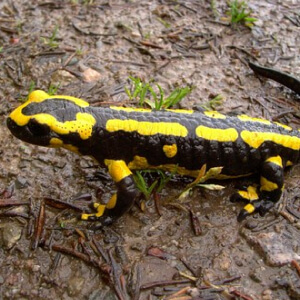 SalamanderCaudata (also called Urodela)
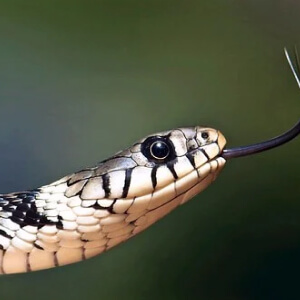 SnakeSerpentes
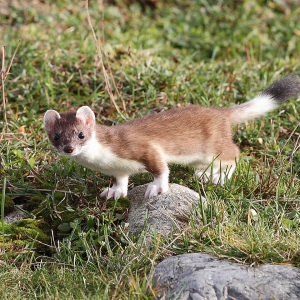 StoatMustela erminea
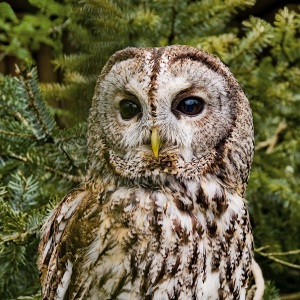 Tawny owlStrix aluco
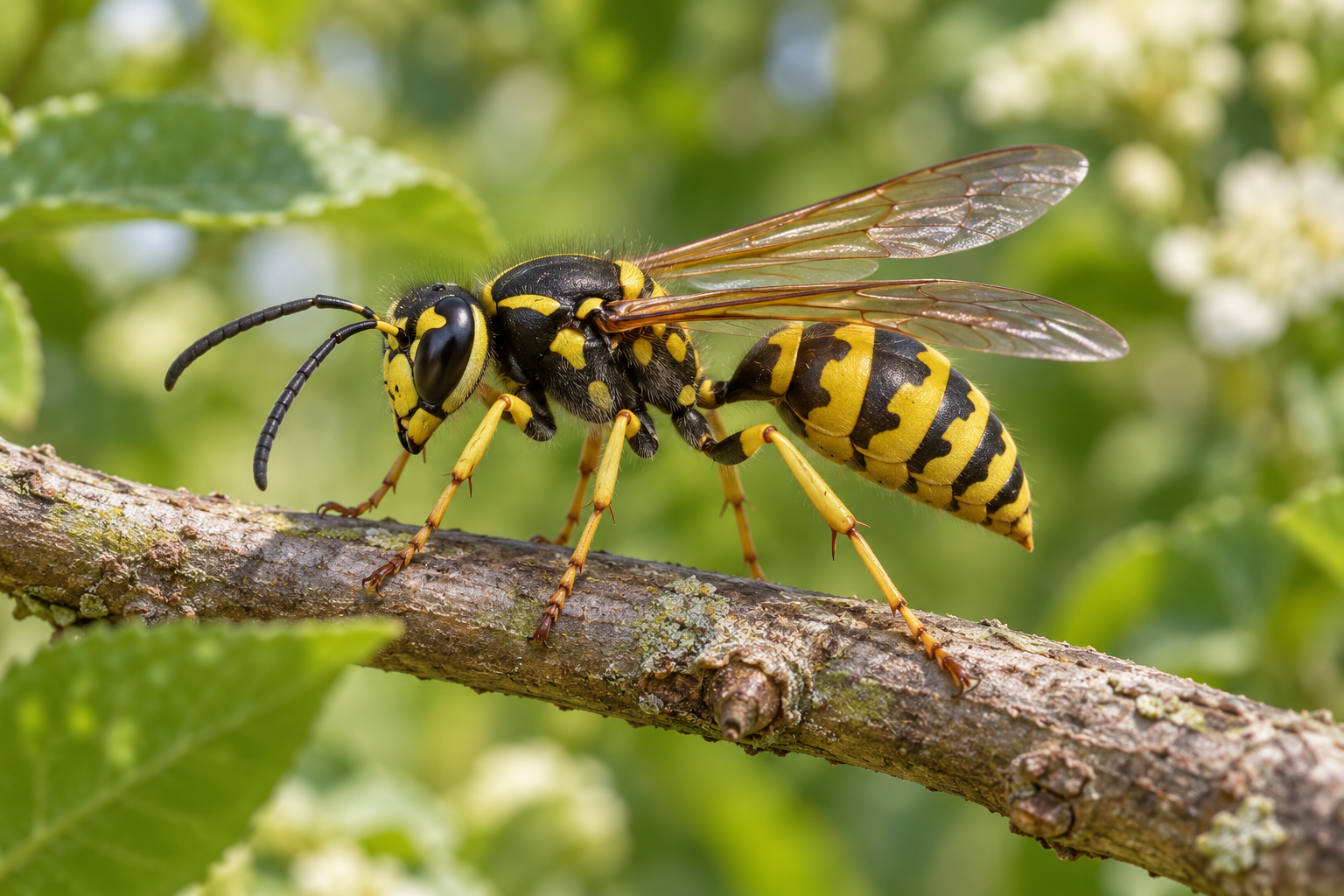 WaspHymenoptera: several wasp families, including Vespidae
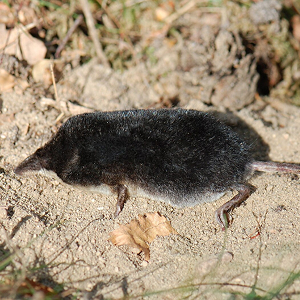 Water shrewNeomys fodiens
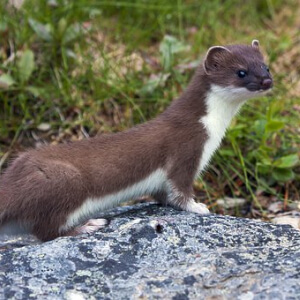 WeaselMustela nivalis
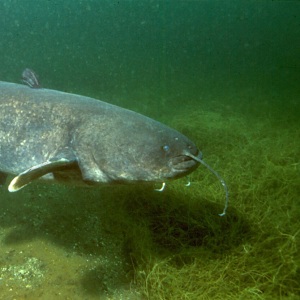 Wels catfishSilurus glanis
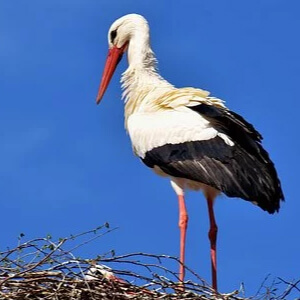 White storkCiconia ciconia
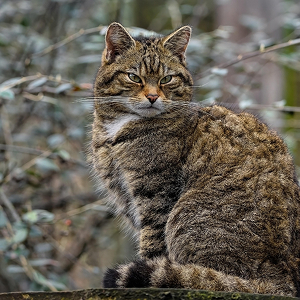 WildcatFelis silvestris (European wildcat)
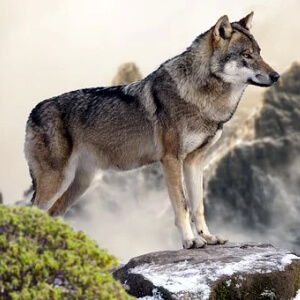 WolfCanis lupus
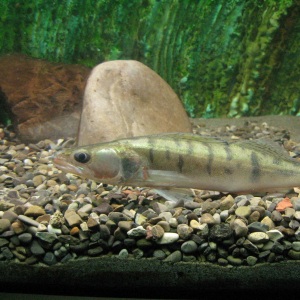 ZanderSander lucioperca