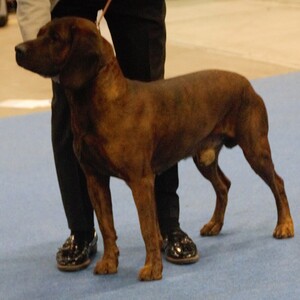
Hanover HoundCharacteristics, history, training and care
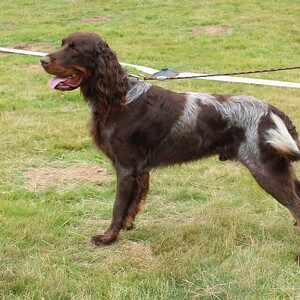
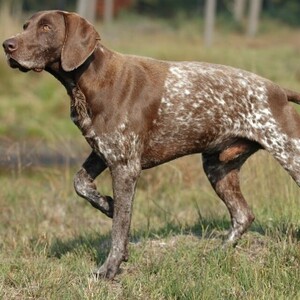
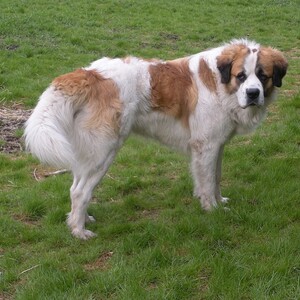
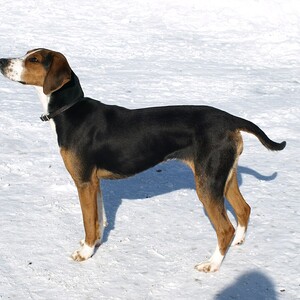
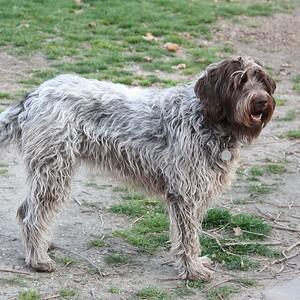
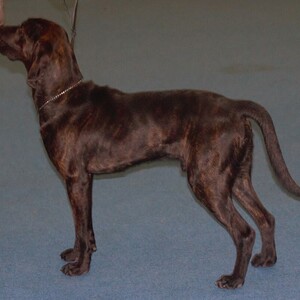
Hanover Hound. · Canarian / Wikimedia Commons, CC BY 4.0. Cropped and resized.
The Hanover Hound (Hannoverscher Schweißhund) is a German tracking dog that specialises in searching for wounded game by following the blood trail. It descends almost unchanged from the “leash hound” of the early Middle Ages. It is calm and self-assured, sensitive towards its handler and very loyal to the hunter, but reserved with strangers.
Quick facts
| Common name | Hanover Hound (Hannoverscher Schweißhund) |
| Scientific name | Canis lupus familiaris |
| Country of origin | Germany |
| Official recognition | FCI, definitively since 6 October 1959 (group 6, leash hounds, with working trial; standard no. 213) |
| Lifespan | 10–14 years, according to the AKC |
| Size (males) | 50–55 cm at the withers; 30–40 kg |
| Size (females) | 48–53 cm at the withers; 25–35 kg |
| Coat type | Short, dense, harsh |
| Common colours | Deer red, from light to dark, more or less brindled, with or without a mask |
| Energy level | High |
| Suited to an apartment? | No |
| Temperament | Calm, self-assured, sensitive, loyal to the hunter |
| Tendency to aggression | Low; reserved with strangers |
| Good with children | Average |
| Good with other animals | Very good with dogs |
| Genetic predispositions | No breed-specific diseases are known |
- Primary category:Dog breeds
- Explore this animal's categories:
History and origin
The FCI standard says the Hannoverscher Schweißhund developed almost unchanged from the so-called “leash hound” (Liam hound) of the early Middle Ages, which already played an important role in the time of the Germanic tribes, around the year 500. With the arrival of firearms, dogs were needed to search for wounded game, and the leash hound proved the best suited.
Huntsmen of the Kingdom of Hanover developed the breed further and kept the traditional working methods. Since 1894 the “Verein Hirschmann” association has looked after the breed, and breeding is based strictly on working ability. Wikipedia says that, crossed with the Bavarian hound, it gave rise to the Bavarian Mountain Hound.
How the breed developed
- Around the year 500 – Leash hounds are already important among the Germanic tribes.
- After the arrival of firearms – They become dogs for tracking wounded game.
- 18th–19th centuries – Huntsmen of the Kingdom of Hanover develop the breed.
- 1894 – The Verein Hirschmann association is founded.
- 6 October 1959 – The FCI recognises the breed.
- 19 March 2015 – The current FCI standard is published.
Breed rating
| Feature | Stars |
|---|---|
| Training and intelligence | ★★★★☆ |
| Easy to train | ★★★★☆ |
| Intelligence | ★★★★☆ |
| Independence | ★★★★☆ |
| Stubbornness | ★★★★☆ |
| Behaviour and temperament | ★★★☆☆ |
| Affectionate with family | ★★★☆☆ |
| Friendly with children | ★★★☆☆ |
| Good with other dogs | ★★★★★ |
| Good with cats and other animals | ★★☆☆☆ |
| Loyalty | ★★★★★ |
| Tendency to be aggressive | ★☆☆☆☆ |
| Tendency to bark | ★★★★☆ |
| Needs and care | ★★★★☆ |
| Shedding | ★★★☆☆ |
| Needs frequent grooming | ★★☆☆☆ |
| Activity and lifestyle | ★★★★☆ |
| Energy level | ★★★★☆ |
| Daily exercise needs | ★★★★★ |
| Suited to apartment life | ★★☆☆☆ |
| Health and longevity | ★★★★☆ |
| Life expectancy | ★★★★☆ |
| Predisposition to genetic diseases | ★★☆☆☆ |
| Working abilities and uses | ★★★★★ |
| Good tracker of wounded game | ★★★★☆ |
| Good companion dog | ★★★☆☆ |
Indicative rating: 5 stars means the highest level. It is based on the ratings the American Kennel Club gives the breed and on the FCI standard.
Physical characteristics
The AKC describes it as a medium to large, well-proportioned and powerful dog. Its muscular legs suit it to tireless work, and its broad, deep chest gives room for the lungs.
General appearance
The forehead is slightly wrinkled, and the broad skull widens towards the back. Wikipedia says it is solidly built, with a large head, strong jaws and a deep chest.
| Feature | Hanover Hound |
|---|---|
| Size | Large |
| Height at the withers | males: 50–55 cm; females: 48–53 cm |
| Weight | males: 30–40 kg; females: 25–35 kg |
| Coat | Short, dense, harsh |
| Head | Large, with a slightly wrinkled forehead |
| Chest | Broad and deep |
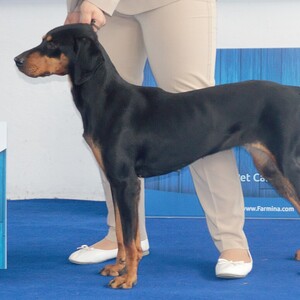
The coat is deer red, from light to dark, more or less brindled, with or without a mask. Small white patches on the chest are tolerated.
Training and socialisation
The standard describes it as having a calm, self-assured temperament, sensitive towards its handler, selective and reserved with strangers. It has great powers of concentration on any trail and strong loyalty to the hunter.
The AKC says training can be a challenge because of its independent nature. It needs a confident handler with a strong personality; otherwise it ignores commands.
Tips for effective training
- Be confident. The AKC says it ignores anyone it does not see as the leader.
- Give it trail work. It specialises in tracking wounded game.
- Work on the barking. Without activity, it may bark a lot.
- Be gentle. The standard says it is sensitive towards its handler.
Activity needs and lifestyle
The AKC says it needs plenty of physical and mental activity every day; without it, it can become destructive and nervous and may bark non-stop. It needs space and has very great stamina.
| Activity | How often | Why it matters |
|---|---|---|
| Long walks in nature | daily | Great stamina |
| Blood-trail work | several times a week | Its speciality |
| Play in a fenced yard | daily | Uses up energy |
Tips for a balanced life
- It is best suited to hunters.
- It needs plenty of space.
- Keep it on a lead outside the yard.
Care and health
Coat and skin care
The AKC says it needs very little grooming: the short coat needs brushing only occasionally, and baths should be as rare as possible. The ears should be checked regularly and the nails trimmed often.
Common health problems
The AKC says most dogs are healthy. There are no known diseases specific to the breed. Worth watching for:
| Condition | Description | Common symptoms |
|---|---|---|
| Hip dysplasia | The hip joint forms incorrectly and, over time, arthritis develops | Limping, difficulty getting up or jumping, hip pain |
| Ear infections | Infections of the drooping ears | Scratching, bad smell, tilted head |
Other care
- Check the ears regularly.
- Trim the nails often.
- Brush its teeth when needed.
Diet and nutrition
A large, active tracking dog needs good-quality food for medium to large breeds. Adjust the portion to its workload.
Tips for a healthy diet
The table gives a starting estimate, calculated with the formula from the Merck Veterinary Manual. The first two calorie columns show the calories per day for a healthy adult dog. The last column shows what this means in dry food with 3,500–4,000 kcal per kilogram.
| Dog's weight | Calories per day (neutered) | Calories per day (not neutered) | Dry food per day (approximate) |
|---|---|---|---|
| 25 kg | 1,250 kcal | 1,410 kcal | 310–400 g |
| 32 kg | 1,510 kcal | 1,700 kcal | 380–490 g |
| 40 kg | 1,780 kcal | 2,000 kcal | 440–570 g |
- Split the food into two meals a day to reduce the risk of bloat.
- Fresh water should always be available.
- A dog is at the right weight when you can feel its ribs without pressing hard.
Foods to avoid
Some human foods are dangerous for dogs: chocolate, coffee, grapes and raisins, onions, garlic, xylitol (a sweetener used in chewing gum), macadamia nuts and alcohol.
Reproduction and development
Physical and emotional maturity
In dogs, sexual maturity usually comes between 6 and 12 months, but in large breeds it can be delayed until about two years. The body also reaches its adult form later than in small breeds.
Mating and pregnancy
Pregnancy lasts about 63 days, counted from ovulation. Mating a female on her first heat is not recommended. The FCI standard requires that only healthy dogs of typical breed appearance are used for breeding.
Caring for the puppies
In large breeds, a litter has around 7 puppies on average. Socialisation starts in the first weeks: gentle handling, everyday noises and new people.
Interesting facts
- A blood specialist. It searches for wounded game by following the blood trail.
- A medieval breed. It descends almost unchanged from the leash hound of the Middle Ages.
- Parent of another breed. The Bavarian Mountain Hound was developed from it and the Bavarian hound.
- Strict breeding. Since 1894 the Verein Hirschmann association has bred it for work only.
- Rare. Wikipedia says it did not reach France until the 1980s.
Frequently asked questions
What does a Hanover Hound do?
It searches for wounded game by following the blood trail.
How big does it get?
Males measure 50–55 cm and weigh 30–40 kg; females measure 48–53 cm and weigh 25–35 kg.
Is it a family dog?
It is first and foremost a working dog for hunters; it needs plenty of activity.
How long does it live?
The AKC gives 10–14 years.