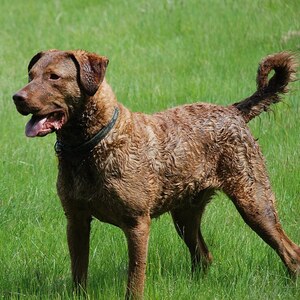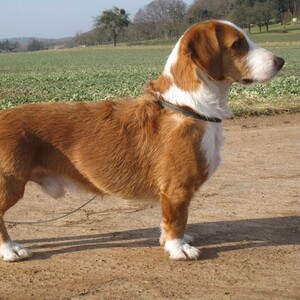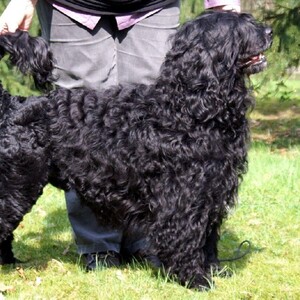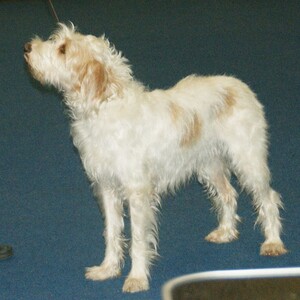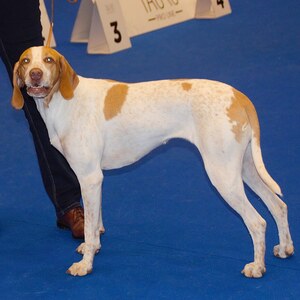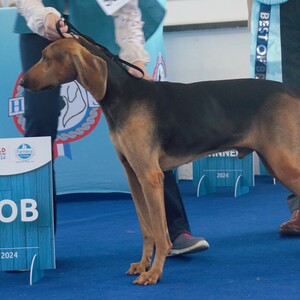
Treeing Walker CoonhoundCharacteristics, history, training and care
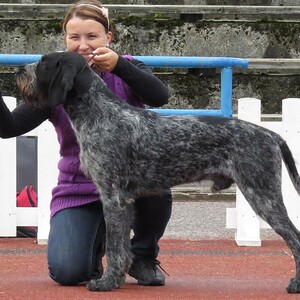
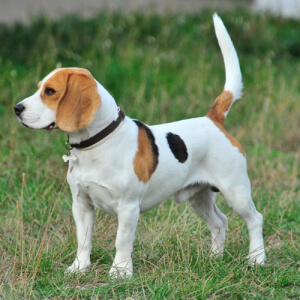
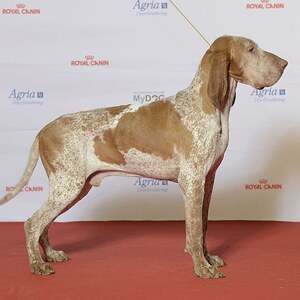
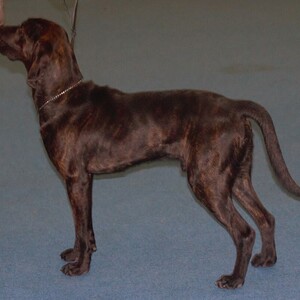
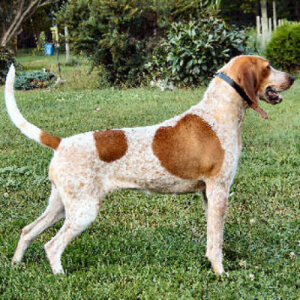
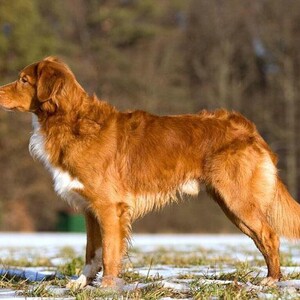
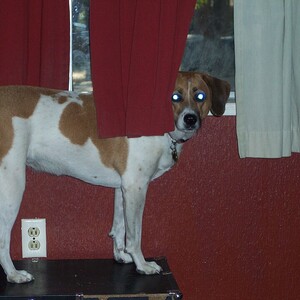
Treeing Walker Coonhound. · Hollakr / Wikimedia Commons, public domain. Cropped and resized.
The Treeing Walker Coonhound is an American tricolour hound, descended mainly from the English and American Foxhound and bred to hunt raccoons. Wikipedia says it is vocal, with a clear, ringing bark by which owners can recognise their dog from a great distance. The AKC describes it as devoted, smart and tenacious. It is not recognised by the FCI; the AKC has recognised it since 2012.
Quick facts
| Common name | Treeing Walker Coonhound |
| Scientific name | Canis lupus familiaris |
| Country of origin | United States |
| Official recognition | Not recognised by the FCI; UKC since 1945; AKC since 2012 |
| Lifespan | 12–13 years, according to the AKC |
| Size (males) | 56–69 cm at the withers; 23–32 kg according to the AKC |
| Size (females) | 51–64 cm at the withers; 23–32 kg according to the AKC |
| Coat type | Short and smooth |
| Common colours | Tricolour |
| Energy level | Very high |
| Suited to an apartment? | No |
| Temperament | Devoted, smart, tenacious, stubborn |
| Tendency to aggression | Very low |
| Good with children | Very good, according to the AKC |
| Good with other animals | Very good with dogs, according to the AKC |
| Genetic predispositions | Hip dysplasia, eye diseases |
- Primary category:Dog breeds
- Explore this animal's categories:
History and origin
Wikipedia says the breed was developed in the 19th century, with the credit going to two Kentucky breeders, John W. Walker and George Washington Maupin, through the selection of foxhounds. The breed emerged when a stolen dog known as “Tennessee Lead” was crossed with the Walker hounds.
It was officially recognised by the United Kennel Club in 1945 and by the American Kennel Club in 2012. It is used mainly for raccoons, but also for squirrels, deer, bears, bobcats and cougars.
How the breed developed
- 19th century – John W. Walker and George Washington Maupin create the breed.
- 1945 – Recognised by the UKC.
- 2012 – Recognised by the AKC.
Breed rating
| Feature | Stars |
|---|---|
| Training and intelligence | ★★★★☆ |
| Easy to train | ★★★★★ |
| Intelligence | ★★★★★ |
| Independence | ★★★★★ |
| Stubbornness | ★★★★★ |
| Behaviour and temperament | ★★★☆☆ |
| Affectionate with family | ★★★★★ |
| Friendly with children | ★★★★☆ |
| Good with other dogs | ★★★☆☆ |
| Good with cats and other animals | ★★★★☆ |
| Loyalty | ★★★★★ |
| Tendency to be aggressive | ★★☆☆☆ |
| Tendency to bark | ★★★★★ |
| Needs and care | ★★★☆☆ |
| Shedding | ★★★★★ |
| Needs frequent grooming | ★★★☆☆ |
| Activity and lifestyle | ★★★★☆ |
| Energy level | ★★★★☆ |
| Daily exercise needs | ★★★★★ |
| Suited to apartment life | ★★★☆☆ |
| Health and longevity | ★★★☆☆ |
| Life expectancy | ★★★★☆ |
| Predisposition to genetic diseases | ★★☆☆☆ |
| Working abilities and uses | ★★★★★ |
| Good hunting dog | ★★★★★ |
| Good companion dog | ★★★★☆ |
Indicative rating: 5 stars means the highest level. It is based on the ratings the American Kennel Club gives the breed; the breed is not recognised by the FCI.
Physical characteristics
The AKC describes it as a fast tricolour hound with long, muscular legs, powerful hindquarters and a supple body that covers a lot of ground with minimal effort.
General appearance
The coat is short and smooth and sheds dirt and mud.
| Feature | Treeing Walker Coonhound |
|---|---|
| Size | Large |
| Height at the withers | males: 56–69 cm; females: 51–64 cm |
| Weight | 23–32 kg (AKC) |
| Coat | Short, smooth |
| Colour | Tricolour |
| Type | Coonhound |
The Treeing Walker Coonhound is usually tricolour.
Training and socialisation
The AKC says it is very intelligent and eager to learn and loves to please its people, but it also has a stubborn, independent streak that can make it seem hard to train to those who do not understand the “coonhound mind”. Lessons should be fun.
Wikipedia says its clear, ringing bark turns into a steady “chop” at the tree.
Tips for effective training
- Make lessons fun. It is stubborn.
- Practise the recall. It follows its nose.
- Think of the neighbours. It is very vocal.
- Check the ears. Ticks hide there.
Activity needs and lifestyle
The AKC says that, like most coonhounds, it has lots of energy and loves to run; it makes an excellent running or hiking companion. Many become couch potatoes at home, but they still need daily exercise.
| Activity | How often | Why it matters |
|---|---|---|
| Running or hiking | daily | Energy |
| Scent work | several times a week | Hound instinct |
| Play | daily | A busy mind |
Tips for a balanced life
- Suits active owners.
- The fence must be secure.
- Look for ticks in the ears.
Care and health
Coat and skin care
The AKC says the breed needs very little grooming: the coat sheds dirt and mud, and a wipe with a damp towel or a grooming mitt keeps it glossy. The nails should be trimmed regularly.
Common health problems
The AKC says the breed is generally healthy, and responsible breeders screen their dogs for:
| Condition | Description | Common symptoms |
|---|---|---|
| Hip dysplasia | The hip joint forms incorrectly and, over time, arthritis develops | Limping, difficulty getting up or jumping, hip pain |
| Eye diseases | Eye abnormalities | Poor vision |
| Ticks in the ears | The AKC says they love its ears | Scratching, irritation |
Other care
- Check the ears after every outing.
- Trim the nails regularly.
- Go for yearly check-ups.
Diet and nutrition
The AKC says a hound that is not working can put on weight, so portions should match its activity.
Tips for a healthy diet
The table gives a starting estimate, calculated with the formula from the Merck Veterinary Manual. The first two calorie columns show the calories per day for a healthy adult dog. The last column shows what this means in dry food with 3,500–4,000 kcal per kilogram.
| Dog's weight | Calories per day (neutered) | Calories per day (not neutered) | Dry food per day (approximate) |
|---|---|---|---|
| 23 kg | 1,180 kcal | 1,320 kcal | 300–380 g |
| 27 kg | 1,330 kcal | 1,490 kcal | 330–430 g |
| 32 kg | 1,510 kcal | 1,700 kcal | 380–490 g |
- Adjust the portion to its level of effort.
- Do not let it run right after a meal.
- A dog is at the right weight when you can feel its ribs without pressing hard.
Foods to avoid
Some human foods are dangerous for dogs: chocolate, coffee, grapes and raisins, onions, garlic, xylitol (a sweetener used in chewing gum), macadamia nuts and alcohol.
Reproduction and development
Physical and emotional maturity
In dogs, sexual maturity usually comes between 6 and 12 months, but in large breeds it can be delayed until about two years. The body also reaches its adult form later than in small breeds.
Mating and pregnancy
Pregnancy lasts about 63 days, counted from ovulation. Mating a female on her first heat is not recommended. Only healthy dogs of typical breed appearance should be used for breeding.
Caring for the puppies
In large breeds, a litter has around 7 puppies on average. Socialisation starts in the first weeks: gentle handling, everyday noises and new people.
Interesting facts
- A stolen dog. “Tennessee Lead” contributed to the breed.
- A recognisable voice. Owners can recognise their dog from afar.
- A mud-proof coat. It sheds dirt.
- Lazy at home. Though very energetic outdoors.
- It even hunts cougars. Not just raccoons.
Frequently asked questions
Is it recognised by the FCI?
No; the AKC has recognised it since 2012.
Is it good with children?
Yes; the AKC gives it top marks.
Does it bark a lot?
Yes, it is very vocal.
How long does it live?
The AKC gives 12–13 years.