ButterflyInteresting facts and information
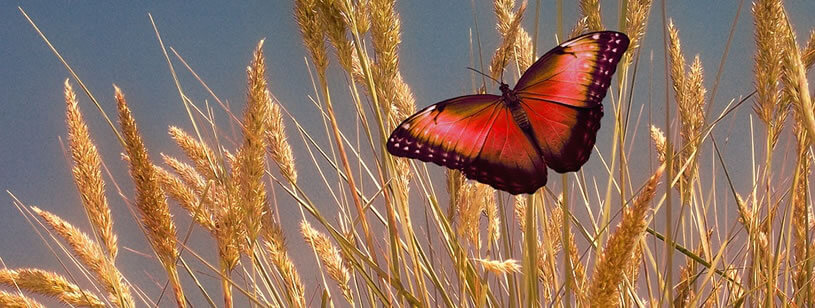
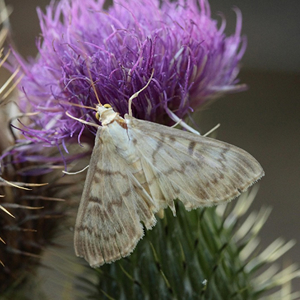
Butterflies are insects in the group Papilionoidea, within the order Lepidoptera, which also includes moths. Their life cycle has four stages: egg, caterpillar, pupa (chrysalis) and adult.
Adult butterflies feed mainly on flower nectar, but some species also drink the juice of rotting fruit, tree sap or minerals from damp soil. Their caterpillars usually eat the leaves of particular plants.
Butterflies are very sensitive to climate change and habitat loss, and many species are declining. Because of this, scientists use them as important indicators of the health of the environment.
Quick facts
| Common name | Butterfly |
| Scientific name | Papilionoidea (within Lepidoptera) |
| Typical lifespan | Adults live from about a week to about a year (depending on the species) |
| Maximum speed | Usually a few km/h up to about 20 km/h; some fast species fly faster |
| Wingspan | About 1-28 cm (depending on the species) |
| Weight | From a few hundredths of a gram to a few grams |
| Diet type | Adults drink nectar, fruit juice and sap; caterpillars mostly eat plants |
| Main predators | Birds, bats, wasps, spiders, frogs, lizards, ants |
| Conservation status | Varies by species; many butterflies are declining, and some are threatened |
| Distribution | Worldwide except Antarctica |
| Habitat | Forests, meadows, mountains, deserts, wetlands, gardens |
- Primary category:Insects
- Explore this animal's categories:
Interesting facts
- The largest butterfly in the world - Queen Alexandra's birdwing (Ornithoptera alexandrae) from Papua New Guinea has a wingspan of up to about 25-28 cm.
- Butterflies taste with their feet - Sense organs on their legs detect chemicals in plants, so females can tell whether a plant is right for laying eggs.
- Butterflies can detect stimuli in different ways. Some species have hearing organs; they should not all be described as completely deaf.
- The monarch butterfly migrates thousands of kilometres - Danaus plexippus can travel up to about 4,800 km from Canada to Mexico, one of the longest insect migrations.
- Their wings are covered with tiny scales - The name "Lepidoptera" comes from Greek and means "scale wings".
- Most adults live only a short time - Many butterflies live only one to a few weeks as adults.
- Some live for many months - Butterflies that spend the winter as adults, such as the brimstone and the mourning cloak, can live for about 10-12 months.
- Masters of disguise - Some butterflies, such as the orange oakleaf (Kallima inachus), look exactly like dead leaves when their wings are closed, while others have eyespots that scare predators.
- They need warmth to fly - Butterflies must warm their flight muscles, so they bask in the sun and rarely fly in cool weather.
- Some butterflies are poisonous - Monarchs and Heliconius butterflies contain toxic substances, often taken from the plants their caterpillars eat, which make them taste bad to predators.
Records and remarkable features
- Butterflies are insects in the group Papilionoidea, within the order Lepidoptera. Their life cycle has four stages: egg, caterpillar, pupa and adult. The wider order also includes moths.
- One of the smallest butterflies is the western pygmy blue (Brephidium exilis) of North America, with a wingspan of only about 1.2-2 cm.
- The painted lady (Vanessa cardui) makes one of the longest insect migrations, travelling between Africa and Europe over several generations.
Characteristics
Butterflies are delicate insects with scale-covered wings, a body in three parts and sensitive antennae. There are about 18,000-20,000 butterfly species, and together with moths the order Lepidoptera has around 160,000 known species, varying enormously in size, colour and behaviour.
Main physical characteristics
| Feature | Details |
|---|---|
| Wingspan | About 1-28 cm (depending on the species) |
| Weight | From a few hundredths of a gram to a few grams |
| Number of legs | 6 (like all insects), although in some families the front pair is very small |
| Wings | Four wings covered with tiny scales that create colours and patterns |
| Antennae | Thin, with a club at the tip; used to smell and to keep balance in flight |
| Proboscis | A coiled tube used like a drinking straw |
| Eyesight | Compound eyes that can see ultraviolet light |
| Lifespan | From about a week to about a year as an adult, depending on the species |
Special adaptations
- Complete metamorphosis - Butterflies go through four distinct stages: egg, larva (caterpillar), pupa (chrysalis) and adult.
- Camouflage and mimicry - Some species, such as the orange oakleaf, look like dead leaves, while harmless species may copy the colours of poisonous ones.
- Agile flight - Their light wings let them fly long distances and dodge predators with quick turns.
- Living almost everywhere - From tropical forests to mountain tundra, butterflies live in most land habitats.
Habits and behaviour
Butterflies behave in many different ways depending on the species, environment and season. The main activities of an adult butterfly are flying, feeding, mating and laying eggs.
Behaviour
- Flight - Butterflies have a light, fluttering flight. Some species, such as the monarch and the painted lady, fly thousands of kilometres on migration.
- Feeding - Most butterflies drink nectar from flowers, but some prefer rotting fruit, tree sap or minerals from damp soil.
- Communication with colour - Wing patterns help them find mates, warn predators or hide.
- Gathering in groups - Some species, such as monarchs, gather in huge numbers during migration and in winter.
Defence against predators
| Defence method | Example species |
|---|---|
| Camouflage | Kallima inachus (orange oakleaf) |
| Toxins | Heliconius butterflies and the African giant swallowtail (Papilio antimachus) |
| Erratic flight | Vanessa atalanta (red admiral) |
- Camouflage - Many butterflies have dull undersides, so they look like leaves or bark when resting, and some have eyespots that startle predators.
- Toxins - Species like Heliconius contain toxic substances and taste bad to predators.
- Erratic flight - Some species fly in zigzags that birds find hard to follow.
Daily and seasonal activity
- Butterflies are active by day, while most of their relatives, the moths, fly at night.
- They fly most on warm, sunny days; in cool weather, they spread their wings in the sun to warm up.
- Breeding is seasonal - Butterflies breed mostly in the warm months, and adult life usually lasts from a week to a few months.
Habitat and geographic distribution
Butterflies live on every continent except Antarctica, in habitats ranging from tropical forests and savannas to high mountains and deserts.
Habitat types
| Habitat | Example species |
|---|---|
| Rainforests | Morpho menelaus, Papilio ulysses |
| Meadows and farmland | Vanessa cardui, Danaus plexippus |
| Mountains and alpine areas | Parnassius apollo |
| Deserts and dry areas | Vanessa cardui, Pontia daplidice |
- Tropical forests - The greatest variety of species lives in the Amazon, Southeast Asia and Central Africa, where warm weather supports a huge range of flowering plants.
- Meadows and farmland - Butterflies are common in flower-rich areas, where they find food and plants for laying eggs.
- Mountains - Some species, such as the Apollo butterfly (Parnassius apollo), live high in the mountains and cope with cold temperatures.
- Deserts and dry areas - Species like the painted lady (Vanessa cardui) can pass through dry regions, feeding on the nectar of drought-resistant plants.
Distribution and diversity
- South and Central America - The richest region, with more than 7,000 butterfly species.
- Africa and Asia - Home to many large tropical butterflies, including swallowtails and the birdwings of Southeast Asia.
- Europe and North America - Have fewer species, including migratory butterflies such as the red admiral (Vanessa atalanta), the painted lady and the monarch (Danaus plexippus).
- Australia and New Guinea - Home to spectacular species such as the blue Ulysses butterfly (Papilio ulysses) and the green birdwing (Ornithoptera priamus).
Impact of climate change and human activities
- Habitat loss - Deforestation and intensive farming destroy the flowers and host plants that butterflies need.
- Pesticides and pollution - Pesticides kill caterpillars and reduce the number of adult butterflies.
- Climate change - Higher temperatures and long droughts can upset migration and breeding cycles.
Butterflies are important indicators of the health of the environment, and falling numbers are a warning sign of problems in natural ecosystems.
Diet and feeding
Adult butterflies mainly drink liquids, while their caterpillars chew plant food. Many species depend on particular plants, and some even take defensive chemicals from the plants they eat.
Types of food
| Life stage | Food |
|---|---|
| Larva (caterpillar) | Leaves, flowers, seeds; a few species eat aphids or ant larvae |
| Adult (butterfly) | Nectar, tree sap, rotting fruit, minerals from damp soil |
Feeding methods
- Caterpillars eat leaves - Many species can eat only certain plants; for example, monarch caterpillars feed on milkweed.
- Adults use a proboscis - This long, coiled tube works like a straw to sip nectar and other liquids.
- Mud-puddling - Males of many species, such as swallowtails, drink from damp soil to get sodium and other minerals, which they pass on to the female during mating.
- Fruit feeders - Species like Morpho butterflies drink the juice of fallen, fermenting fruit.
Adult butterflies spend much of their time feeding, and their diet affects how well they breed and migrate.
Reproduction and life cycle
Butterflies go through one of the most amazing transformations in the animal world, with four distinct stages: egg, larva (caterpillar), pupa (chrysalis) and adult.
Life cycle stages
| Stage | Approximate duration | Description |
|---|---|---|
| Egg | 3-7 days (sometimes much longer) | Females lay eggs on the right food plants. |
| Larva (caterpillar) | 2-4 weeks | The caterpillar eats leaves and grows quickly, shedding its skin several times. |
| Pupa (chrysalis) | 1-3 weeks | The body is rebuilt into an adult inside a protective case. |
| Adult (butterfly) | 1 week - 12 months | The adult breeds and completes the life cycle. |
Mating
- Colours and scents - Wing colours and patterns help butterflies recognise mates, and in many species males also release scents called pheromones.
- Courtship flights - Pairs often spiral around each other in the air before mating.
- Mating lasts from a few minutes to several hours - Males pass the female a package of sperm and nutrients that helps her produce eggs.
Laying eggs
- Females lay eggs on particular plants - They choose plants that the caterpillars can eat as soon as they hatch.
- Many eggs - Some species lay hundreds of eggs, because most eggs and caterpillars are eaten by predators.
Metamorphosis is one of the most spectacular transformations in nature: in a few weeks, a crawling caterpillar becomes a flying insect.
Name and history
Butterflies have been admired throughout history for their beauty and meaning. From ancient myths to modern science, they have been seen as symbols of the soul, transformation and the shortness of life.
Origin of the name
- The English word "butterfly" comes from Old English buttorfleoge. Its origin is uncertain: it may refer to the butter-yellow colour of some species, such as the brimstone, or to an old belief that butterflies stole butter.
- The scientific name Lepidoptera comes from Greek and means "scale wings".
Taxonomic classification
| Taxonomic category | Name |
|---|---|
| Kingdom | Animalia |
| Phylum | Arthropoda |
| Class | Insecta |
| Order | Lepidoptera |
| Superfamily | Papilionoidea (butterflies); the rest of the order is made up of moths |
Butterflies in history and culture
- Ancient Egypt - Butterflies appear in tomb paintings, such as the famous marsh-hunting scene from the tomb of Nebamun.
- Ancient Greece - The Greek word psyche meant both "soul" and "butterfly", and Psyche was sometimes shown with butterfly wings.
- The Middle Ages - In parts of Europe, butterflies and moths were linked with the souls of the dead.
- Japanese culture - Butterflies are often linked with souls, joy and transformation and appear in poetry and painting.
Early scientific studies of butterflies
- Carl Linnaeus (1758) - Named many butterfly species using his two-part system of scientific names.
- Henry Walter Bates (1862) - Discovered that harmless butterflies can copy the colours of poisonous ones to avoid predators, a process now called Batesian mimicry.
- Butterfly evolution - The oldest butterfly fossils are about 56 million years old, and DNA studies suggest that butterflies first appeared about 100 million years ago, alongside flowering plants.
Butterflies have always been symbols of transformation and of the fragility of life, inspiring poets, artists and scientists around the world.
Cultural significance and mythology
Butterflies are powerful symbols in mythology, art and religion, linked with the soul, rebirth and the shortness of life. In many cultures, they stand for transformation, freedom and fleeting beauty.
Butterflies in mythology and folk belief
- Ancient Greece - The word psyche meant both "butterfly" and "soul", and Psyche, the beloved of Eros, was often shown with butterfly wings.
- The Aztecs - They believed that the souls of warriors who died in battle returned as butterflies and hummingbirds, and they honoured Itzpapalotl, the "obsidian butterfly" goddess.
- Mexico - Monarch butterflies arrive in their Mexican winter forests around the Day of the Dead, and many people see them as the returning souls of loved ones.
- China - In the famous legend of the Butterfly Lovers, two young people who could not marry are turned into a pair of butterflies.
- Japan - Butterflies are sometimes seen as the souls of the living or the dead, and a pair of butterflies is a symbol of a happy marriage.
Butterflies in modern symbolism
- Rebirth - The butterfly's change from caterpillar to adult makes it a perfect symbol of new life.
- Change and transformation - It is often used as a symbol of personal growth.
- Fleeting beauty - Because adult butterflies live such a short time, they are symbols of the passing of time and of beauty that does not last.
Conservation status and threats
Although butterflies live all over the world, many species are threatened by habitat loss, climate change and pesticides. Falling butterfly numbers are a warning sign for natural ecosystems.
Conservation status
| Species | Situation |
|---|---|
| Monarch butterfly (Danaus plexippus) | The migratory monarch is listed as Vulnerable by the IUCN because of large declines |
| Apollo butterfly (Parnassius apollo) | Near Threatened; it has disappeared from many lowland and hill areas in Europe |
| Large blue butterfly (Phengaris arion; formerly Maculinea arion) | Declining in Europe; it became extinct in Britain in 1979 and was successfully reintroduced |
| Queen Alexandra's birdwing (Ornithoptera alexandrae) | Endangered |
Main threats
- Habitat loss - Deforestation and intensive farming destroy the host plants that caterpillars need.
- Pesticides and pollution - Insecticides kill caterpillars and adults, and herbicides remove their food plants.
- Climate change - Extreme temperatures and droughts disrupt the life cycle and migration of some species.
- Collecting - Some rare species are illegally caught and sold to collectors.
Conservation efforts
- Protecting habitats - Nature reserves and wildlife corridors help butterflies, including migratory species such as the monarch.
- Breeding and reintroduction - Some zoos and research centres breed endangered species and release them into the wild.
- Awareness campaigns - Projects teach people how important butterflies are and how to plant butterfly-friendly gardens.
- Limiting harmful pesticides - Restricting chemicals that harm insects.
Protecting butterflies is important for biodiversity, as they pollinate plants and are an important food for birds and other animals.
In popular culture
Butterflies have captured people's imagination for centuries and inspire books, music, films, fashion and art.
Butterflies in literature
- The Very Hungry Caterpillar (Eric Carle, 1969) - A much-loved picture book about a caterpillar that eats its way through the week and turns into a beautiful butterfly.
- Papillon (Henri Charrière, 1969) - An autobiographical novel about escapes from a prison colony; "Papillon", French for "butterfly", was the author's nickname, from a butterfly tattoo.
- Madama Butterfly (Giacomo Puccini, 1904) - A famous opera whose heroine is nicknamed "Butterfly".
Butterflies in fashion and design
- Elegance - Butterfly patterns are often used on clothes and accessories.
- Jewellery - Butterfly-shaped jewellery is popular and is linked with beauty and delicacy.
- Decoration - Butterflies are used in decorative art as symbols of freedom and rebirth.
Butterflies in music and art
- Butterfly (Mariah Carey, 1997) - An album about freedom and transformation.
- "Butterflies" (Michael Jackson, 2001) - A song that compares the feeling of love to butterflies.
- "Float like a butterfly, sting like a bee" - The famous motto of the boxer Muhammad Ali.
- The "butterfly effect" - The idea that a tiny change, like the flap of a butterfly's wings, can have huge effects, comes from the work of the scientist Edward Lorenz.