
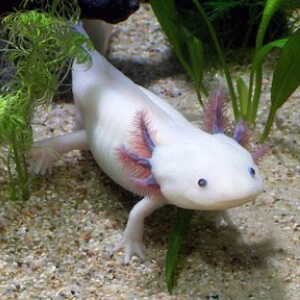
 AxolotlAmbystoma mexicanum
Animals that regrow body parts
Axolotls, some salamanders and lizards, octopuses and sea stars can regrow certain lost body parts. Many crabs, crayfish and lobsters can also regrow limbs. This ability is called regeneration, and its limits differ between animals.
Which parts can regrow?
- Axolotl: limbs and other structures can regenerate. An axolotl is itself a salamander.
- Salamanders: many species can regrow limbs or tails; capacity depends on species, age and the affected part.
- Some lizards: tails can regrow, but the new tail has a different internal structure.
- Octopuses: lost arms can regenerate.
- Sea stars: arms can regrow. Regeneration of an entire body from a fragment occurs only in certain species under suitable conditions.
- Crabs, crayfish and lobsters: legs or claws may regrow gradually in connection with moulting.
What are the limits of regeneration?
An animal that regrows a tail cannot automatically regrow a leg. In some studied lizards, the regenerated tail has a cartilage structure rather than the original series of vertebrae.
For crustaceans, the ability to moult again matters. Some crab species have a final moult, after which they cannot regenerate lost limbs in the same way.
Regrowth takes time
Cells form and organise new tissues rather than merely closing a wound. Regrowth is slow, and a badly injured animal may still die. Timing and outcome depend on the animal and the damage.
A torn sea star becomes several animals only in certain species, and only if each piece is large enough.
Frequently asked questions
What is regeneration?
The regrowth of tissues or body parts. These examples can include a limb, arm or tail.
Can a lizard regrow any body part?
No. Some lizards can regenerate tails, but they cannot regrow lost legs.
Can every sea star arm become a new animal?
No. It depends on the species and the remaining fragment. Many species also need part of the central disc.
Sources: San Diego Zoo — axolotl · Natural History Museum — salamander regeneration · Arizona State University — regenerated lizard tails · Research — arm regeneration in Octopus vulgaris · Aquarium of the Pacific — sea stars · Monterey Bay Aquarium — crab moulting and regeneration · National Park Service — crayfish · NOAA Fisheries — lobsters
AxolotlAmbystoma mexicanum
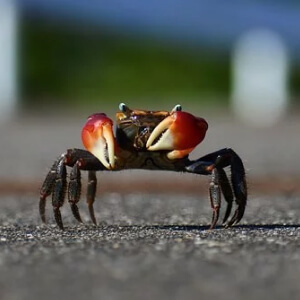 CrabBrachyura
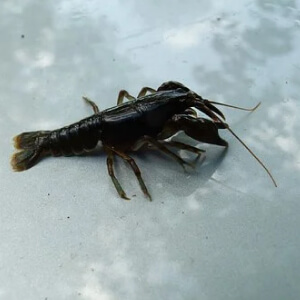 CrayfishAstacoidea and Parastacoidea (freshwater crayfish)
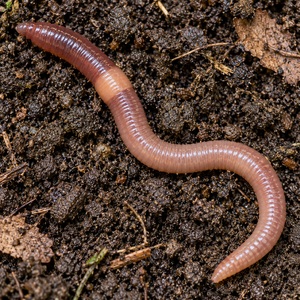 EarthwormsCrassiclitellata
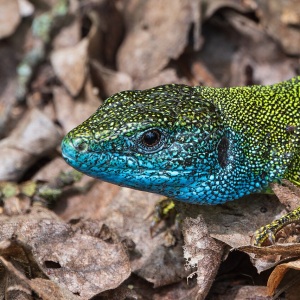 European green lizardLacerta viridis
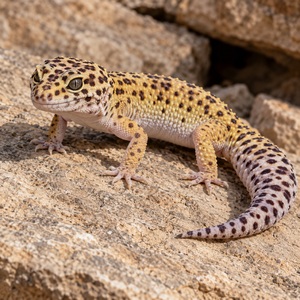 Leopard geckoEublepharis macularius
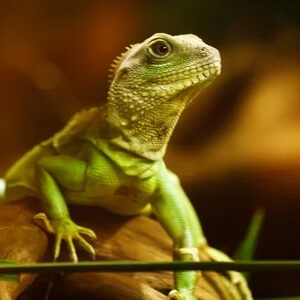 LizardSquamata (lizards)
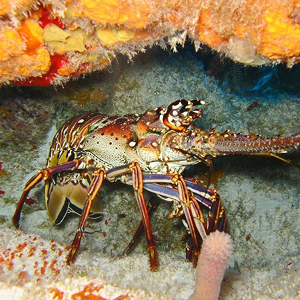 LobsterNephropidae (clawed lobsters)
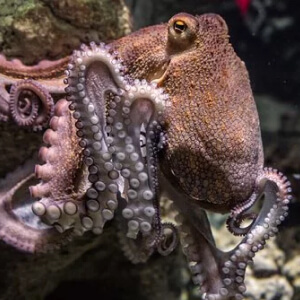 OctopusOctopoda
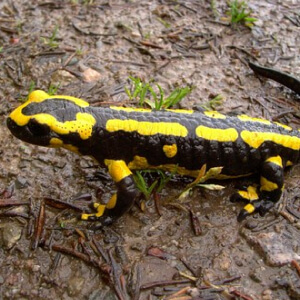 SalamanderCaudata (also called Urodela)
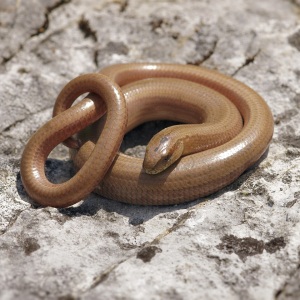 Slow wormAnguis fragilis
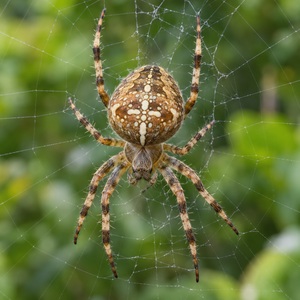 SpidersAraneae
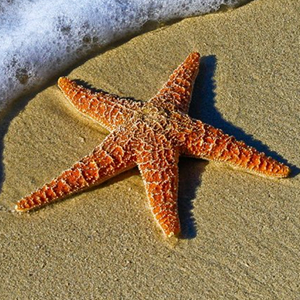 StarfishAsteroidea
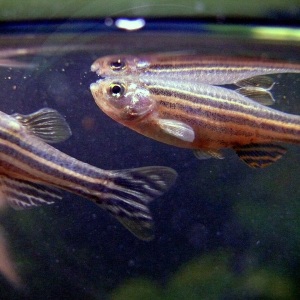 ZebrafishDanio rerio