HoverfliesInteresting facts and information
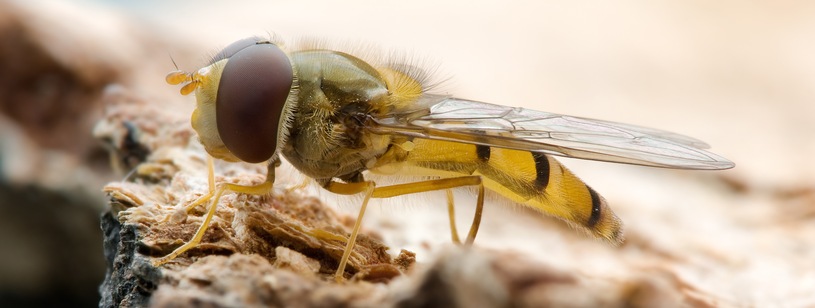
Marmalade hoverfly (Episyrphus balteatus), one species in the hoverfly family. · Cover: Richard Bartz, CC BY-SA 2.5; thumbnail: Sandy Rae, CC BY 3.0. Cropped and resized; full credits below.
Hoverflies are insects in the family Syrphidae, known for hovering in the air and visiting flowers. Many resemble bees or wasps, but they are true flies: they have just one pair of wings and do not sting.
Hoverflies help pollinate plants, and the larvae of many species eat aphids. The name refers to a whole family rather than a single species. Its members vary in size and way of life. One example is Episyrphus balteatus, the marmalade hoverfly, a small orange fly with black bands across its abdomen.
The photographs show Episyrphus balteatus, one species in the family Syrphidae. Photographer credits and licences appear at the end of the article.
Quick facts
| Group / family | Hoverflies / Syrphidae |
| Class / order | Insecta / Diptera |
| Number of wings | One pair used for flight |
| Example species | Episyrphus balteatus |
| Size of the example species | Approximately 9–12 mm long |
| Family distribution | Every continent except Antarctica |
| Found in Romania? | Yes |
| Habitat | Varies by species: gardens, meadows, woodland and wetlands |
| Adult diet | Mainly nectar and pollen |
| Larval diet | Varies: insects, decaying organic material or plants |
| Activity | Adults are often seen during the day |
| Reproduction | Egg → larva → pupa → adult |
| Do they sting? | No; hoverflies have no venomous sting |
| Conservation | Status varies between species |
- Primary category:Insects
- Explore this animal's categories:Animals of AfricaAnimals of AsiaAnimals of AustraliaAnimals of EuropeAnimals of North AmericaAnimals of RomaniaAnimals of Romania’s gardens and parksAnimals of South AmericaArthropodsEgg-laying animalsFlying animalsForest animalsHHibernating animalsInsect-eating animalsInsectsInsects of RomaniaInvertebratesMigratory animalsNectar-feeding animalsPollinating insectsPredatory animals of RomaniaWetland animalsWild animals
Interesting facts
- A hoverfly can resemble a wasp without having a sting. In many species, yellow-and-black markings mimic the appearance of stinging insects.
- It has only two wings used for flight. Bees and wasps have two pairs, making four wings.
- Adults and larvae can play different roles in nature. Adults visit flowers, while the larvae of some species hunt aphids or help break down organic remains.
- Some hoverflies migrate. They do not all stay in the garden where we see them during summer.
- The family also occurs in Romania. The Grigore Antipa National Museum of Natural History holds an important scientific collection of these insects.
Records and remarkable abilities
Small size does not stop some hoverflies from carrying pollen over long distances. A study published in 2025 examined Episyrphus balteatus that reached an offshore platform in the North Sea, approximately 200 km from the Scottish coast.
Researchers found pollen on most of the insects examined. Using the pollen and wind patterns, they estimated that many had come from regions more than 500 km away. This was an estimate of their origins, not a direct measurement of each fly's route.
Hoverflies are also remarkably diverse: their family includes more than 6,000 described species worldwide, according to the IUCN specialist group. Their flight, colours and larval diets vary greatly, so no single example represents them all.
Characteristics
Hoverflies belong to the order Diptera, alongside other flies and mosquitoes. They have six legs, antennae and large compound eyes made up of many small units that receive light.
| Feature | What you can observe |
| Wings | One pair used for flight; the second pair is reduced to two small balancing organs called halteres. |
| Colour | Often yellow, orange and black; some species look quite different. |
| Body | Slender, broad or hairy, depending on the species. |
| Sting | Hoverflies have no venomous sting and do not sting. |
| Example: Episyrphus balteatus | Approximately 9–12 mm long, with thick and thin black bands across an orange abdomen. |
Colour alone is not enough for identification. Some hoverflies mimic bees, others bumblebees or wasps. Wing number and antenna shape offer useful clues, but exact identification may require a specialist.
Resembling an insect with a defensive weapon is a form of mimicry. It may reduce the chance of a predator attacking the hoverfly. This differs from camouflage that blends an animal into leaves or bark.
Habits and behaviour
Hovering is one of their most noticeable abilities. A hoverfly may stay in one spot for a few moments, then quickly change position or land on a flower.
Adults are often seen by day on flowers and vegetation. Their behaviour depends on the species, temperature and weather. An activity period described for Britain is not an exact calendar for Romania or elsewhere.
Some species, including Episyrphus balteatus, make migratory journeys. Research shows that these movements also have an ecological role: the insects can carry pollen between regions.
Other hoverflies are more closely tied to a particular habitat. If their larvae need wet wood or a host plant, flowers for adults alone cannot meet their needs throughout life.
Habitat and geographical distribution
Hoverflies occur on every continent except Antarctica. This is the range of the family as a whole; each species occupies only part of that area.
Many hoverflies are documented in Romania. The Vladimir Brădescu collection at the Grigore Antipa National Museum of Natural History includes specimens from Romania and other European regions.
- Gardens, parks and farmland: many species find flowers and, for predatory larvae, colonies of aphids.
- Meadows and woodland edges: these provide varied plants and sunny places.
- Woodland with old trees: some larvae depend on decaying wood and damp cavities.
- Wetlands: certain species have aquatic larvae adapted to water rich in organic matter.
These needs explain why not all hoverflies benefit from the same measures. A patch of flowers helps adults, while retaining larval habitats provides another essential resource.
Diet and feeding
Adults mainly eat nectar and pollen. Nectar supplies energy, while pollen is an important source of nutrients. Many hoverflies visit open flowers where food is easy to reach.
Pollen may stick to an insect's body during a visit. When it reaches the receptive part of another flower of the same plant species, the insect contributes to pollination. Not every contact or flower visit achieves this.
| Type of larva | Example food |
| Predatory | Aphids and other small insects; Episyrphus balteatus has this diet. |
| Decomposer | Material in rotting wood, organic remains or microorganisms in water, depending on the species. |
| Plant-feeding | Plant tissues, such as the inside of bulbs, in certain species. |
Not all hoverfly larvae eat aphids. Nor does the presence of adults guarantee that aphids will disappear from a garden. The benefit depends on the species present and local conditions.
In predatory species, females may lay eggs near an aphid colony. The larvae then have food nearby when they hatch.
Reproduction and life cycle
Hoverflies undergo complete metamorphosis: egg, larva, pupa and adult. A larva looks different from an adult fly and has no wings or obvious jointed legs.
| Stage | What happens |
| Egg | It is laid in a suitable place for the larva: near prey, on a plant or in another species-specific habitat. |
| Larva | It feeds and grows; its shape and habitat vary between species. |
| Pupa | The adult body develops inside. |
| Adult | Once its wings have expanded, it flies, visits flowers and reproduces. |
Some aquatic larvae, such as those of Eristalis tenax, have a long breathing tube. This lets them take in air at the surface while their body remains underwater.
The duration of each stage and the way they overwinter vary between species. Some can overwinter as adults. There is no single lifespan for the whole family. Temperature and resources influence their development.
Name and history
The name hoverfly refers to the ability to remain in one place in the air. They are also called flower flies because of their visits to flowers. Both names refer to flies in the family Syrphidae.
Romanian entomologists have also studied hoverflies. Vladimir Brădescu donated most of his collection to the Grigore Antipa Museum in 1986. It remains an important resource for research on these flies in Romania.
Museum specimens help specialists compare body structures and check identifications. Field observations and photographs provide additional information about distribution and activity.
Conservation status and threats
Hoverflies do not share a single conservation status. Some species are widespread, while others are threatened. The European IUCN assessment published in 2022 highlighted serious risks to this group.
- Habitat loss reduces flowers, host plants and places where larvae develop.
- Removing old trees and decaying wood affects species that depend on these resources.
- Pesticide use can affect the insects and their food supplies.
- Climate change alters habitats and conditions for development.
In gardens, useful measures include open flowers that bloom at different times, a less disturbed patch of vegetation and avoiding unnecessary insecticide use. Keeping dead wood in suitable places also matters for some species.
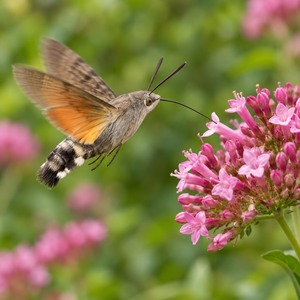
Hoverflies are among the pollinating insects, alongside bees, bumblebees and the hummingbird hawk-moth.
Frequently asked questions
- Is a hoverfly a bee or a wasp? No. It is a fly in the family Syrphidae. Many species mimic the colours of bees or wasps.
- Do hoverflies sting? No. Hoverflies have no venomous sting and do not sting.
- How many wings does a hoverfly have? One pair used for flight, unlike the two pairs found in bees and wasps.
- What do hoverflies eat? Adults mainly eat nectar and pollen. Larval diets vary between species.
- Do all hoverfly larvae eat aphids? No. Some are predators, while others feed on plants or material associated with decaying organic matter.
- Are hoverflies found in Romania? Yes. They are documented in Romania's fauna and in the scientific collections of the Grigore Antipa Museum.
- Why are hoverflies useful? Adults help pollinate plants. Some larvae eat aphids, while others help break down organic remains.
- Do all hoverflies migrate? No. Migration is documented in certain species, such as Episyrphus balteatus, and is not a feature of the entire family.
Cover photograph: Episyrphus balteatus — Richard Bartz · CC BY-SA 2.5. Cropped and resized; the adapted image is available under the same licence. Thumbnail: Episyrphus balteatus — Sandy Rae · CC BY 3.0. Cropped and resized.
Did you know?
- Hoverflies have one pair of wings used for flight.
- They have no venomous sting, even when they resemble wasps.
- The larvae of certain species eat aphids.
- Some migratory species carry pollen over long distances.