MosquitoInteresting facts and information
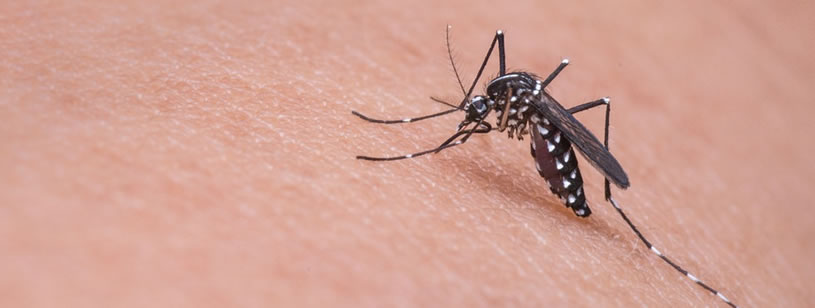
Mosquitoes are insects in the family Culicidae. Adults feed on plant sugars; females of many species also take blood meals. Some species can transmit pathogens, but not every mosquito carries or spreads disease.
Although they are best known for itchy bites and dangerous diseases, mosquitoes also play a role in nature: their larvae and adults are food for fish, dragonflies, birds, bats and frogs, and some adults pollinate flowers.
Every year, hundreds of millions of people catch mosquito-borne diseases such as malaria, dengue, Zika and yellow fever.
Quick facts
| Common name | Mosquito |
| Scientific name | Culicidae |
| Typical lifespan | About 1 week to several months as an adult (depending on species, sex and conditions) |
| Maximum speed | About 1.5-2.5 km/h in flight |
| Size | About 3-15 mm long |
| Weight | About 2-10 mg |
| Diet type | Adults of both sexes feed on plant sugars; females of many species also take blood meals. |
| Main predators | Dragonflies, bats, frogs, birds, fish, spiders |
| Conservation status | Not threatened as a group; most species have not been assessed by the IUCN |
| Geographical distribution | On all continents except Antarctica |
| Habitat | Wetlands, swamps, lakes, rivers, cities, tropical forests |
| Social behaviour | Not social; males of many species form mating swarms |
| Special adaptations | Sensing carbon dioxide, smells and heat; piercing mouthparts; resistance to some insecticides |
- Primary category:Insects
- Explore this animal's categories:
Interesting facts
- Only females bite - Females of many species need blood to make eggs; males feed only on nectar and plant juices.
- Finding people from afar - Mosquitoes can sense the carbon dioxide we breathe out from tens of metres away, and then use body heat and skin smells to find us.
- Super-fast wings - Mosquitoes beat their wings hundreds of times per second, which makes their whining sound; males and females use this sound to find each other.
- Lots of eggs - A female can lay about 100-300 eggs at a time and may lay several batches in her life.
- Surviving winter - In cold regions, some mosquitoes survive the winter as adults hidden in cellars and caves, or as eggs.
- Some people get bitten more - Body smell, sweat and the amount of carbon dioxide we breathe out affect how attractive we are; pregnant women and people who have drunk beer are bitten more often.
- Flying in the rain - Mosquitoes are so light that when a raindrop hits them, they are carried along for a moment and then fly away unharmed.
Records and remarkable features
- Mosquitoes are insects in the family Culicidae. Adults feed on plant sugars; females of many species also take blood meals. Some species can transmit pathogens, but not every mosquito carries or spreads disease.
- Because of the diseases they spread, mosquitoes are often called the deadliest animals to humans: malaria alone kills hundreds of thousands of people every year.
- There are more than 3,500 species of mosquitoes.
Characteristics
Mosquitoes are very light, agile insects with a slender body, narrow wings and long, piercing mouthparts.
Physical aspect
- Slender body - Usually about 3-15 mm long, light enough for agile flight.
- Narrow wings with scales - Mosquitoes beat their wings about 300-800 times per second, producing their typical whine.
- Antennae - Help them detect smells, carbon dioxide and sound; males have bushy, feathery antennae.
- Compound eyes - Made of many small lenses, good at spotting movement but not fine detail.
- Long, delicate legs - Help them land gently on the skin.
- Piercing mouthparts (proboscis) - Inside the outer sheath are six thin needles: some cut the skin, one channel injects saliva that stops blood clotting, and another sucks up the blood.
Special adaptations
- Very sensitive smell - They can detect skin smells and sweat, including lactic acid.
- Sensing heat - Mosquitoes feel body heat at close range, which helps them choose where to bite.
- Mosquitoes beat their wings during flight and can make an audible whine. Their flight should not be described as silent.
- Some mosquito populations have evolved resistance to particular insecticides. Resistance is not universal immunity.
Habits and behaviour
Many mosquitoes are most active at dusk, at night or in the early morning, but some, such as the tiger mosquito, bite mainly during the day.
Social behaviour
- They are not social insects, but males of many species gather in swarms.
- Females fly into the male swarms to mate, and then start their egg-laying cycle.
- Females of many mosquito species take blood meals to support egg production; both sexes also use plant sugars.
- Males usually live shorter lives and feed only on nectar and plant juices.
Survival Techniques
- Quick, zigzag flight - Helps them avoid predators and being swatted.
- Night activity - Many species are active in the dark, when they are harder to spot.
- Laying eggs in water - Their larvae grow in still water, where they can develop quickly.
- Surviving the cold - Some species overwinter as adults in cracks, cellars or caves; others survive as eggs.
Habitat and geographic distribution
Mosquitoes live on every continent except Antarctica. They need still water, where their larvae grow.
| Region | Example species | Habitat Preferred |
|---|---|---|
| North America | Aedes vexans, Culex pipiens | Lakes, rivers, cities, forests |
| South America | Aedes aegypti, Anopheles darlingi | Tropical forests, swamps, urban areas |
| Europe | Culex pipiens, Anopheles atroparvus | Wetlands, lakes, rivers, cities |
| Africa | Anopheles gambiae, Aedes aegypti | Savannas, rainforests, swamps |
| Asia | Aedes albopictus, Anopheles stephensi | Tropical areas, cities, farmland |
| Australia | Aedes notoscriptus, Culex annulirostris | Coastal areas, rivers, wetlands |
Types of Habitat
- Wetlands and swamps - Ideal places for laying eggs and for larvae to grow.
- Cities - Mosquitoes breed in drains, gutters, old tyres, buckets and flower-pot saucers.
- Tropical forests - Warm, wet conditions let mosquitoes breed all year.
- Savannas and plains - After the rains, temporary pools are perfect breeding places.
Human Impact and Threats
- Disease - Mosquitoes spread malaria, dengue, Zika, yellow fever, chikungunya and West Nile virus.
- Farm animals - Swarms of mosquitoes bother livestock and can spread animal diseases.
- Insecticides - Spraying controls mosquitoes, but can also harm other insects and wildlife.
- Climate change - Warmer temperatures help some dangerous mosquito species spread into new areas.
Diet and feeding
Adult mosquitoes use plant sugars for energy. Females of many species also take blood meals that support egg development. Feeding habits differ between species.
What does the mosquito eat?
| Type of food | Who feeds on it? |
|---|---|
| Blood of mammals (humans, cattle, horses, dogs and others) | Females |
| Blood of birds, reptiles and amphibians | Females of some species |
| Nectar and plant juices | Males and females |
| Tiny particles in water (bacteria, algae, bits of plants) | Larvae |
Feeding methods
- Finding a host - Females follow carbon dioxide, body smells and heat to find someone to bite.
- Drinking blood - The mosquito injects saliva that stops blood clotting and sucks blood through a separate channel; a female can drink about 2-3 times her own weight.
- Males only drink nectar - They do not need blood because they do not make eggs.
- Larvae filter the water - They eat algae, bacteria and other tiny particles.
Adaptation to Food Availability
- Choosy biters - Aedes aegypti prefers to bite humans, while Culex pipiens mainly bites birds.
- Living on nectar - Females can survive on nectar, but most species need blood to lay eggs.
- Rich water, fast growth - Larvae grow faster in water full of nutrients, such as dirty puddles and drains.
Reproduction and life cycle
Mosquitoes go through complete metamorphosis, with four stages: egg, larva, pupa and adult.
| Stage | Duration | Characteristics |
|---|---|---|
| Egg | Usually 1-3 days | Laid on or near water; the eggs of some species can survive dry for months. |
| Larva | About 4-14 days | Lives in water, feeds on tiny particles and breathes through a tube at the surface. |
| Pupa | About 1-4 days | Does not feed, but can swim; the adult forms inside it. |
| Adult | From about 1 week to several months | Feeds and breeds; overwintering females can live for months. |
Breeding and laying process
- Females are attracted to the swarms by the sound of the males' wings.
- Egg-laying differs between mosquito groups. Some lay egg rafts on water, while others lay individual eggs on damp surfaces that may later flood.
- In warm water, larvae usually hatch within 1-3 days.
- The life cycle can be very fast: some species go from egg to adult in about a week.
Strategy for the survival of mosquitoes
- The eggs of some species, such as Aedes, can survive dry for months, waiting for rain to hatch.
- Some species spend the winter as adults - Females of Culex pipiens survive the cold hidden in cellars, sheds and caves.
Name and history
People have known mosquitoes for thousands of years, but only about 125 years ago did scientists discover that they spread deadly diseases.
Origin and etymology of the name
- The word "mosquito" comes from Spanish and Portuguese and means "little fly", from mosca, "fly".
- The family name Culicidae comes from the Latin word culex, meaning "gnat".
The mosquito in the History of Humanity
- Ancient times - The Romans linked fevers to swamps, and the later Italian name mal'aria, "bad air", gave us the word "malaria".
- Discovering the danger - In 1897, Ronald Ross showed that mosquitoes spread malaria; around 1900, Walter Reed's team confirmed Carlos Finlay's idea that they spread yellow fever.
- The Panama Canal - In the early 1900s, controlling mosquitoes made it possible to build the Panama Canal, after many workers had died of yellow fever and malaria.
Cultural significance and mythology
Mosquitoes appear in myths and stories around the world, usually as pests, and in modern times as symbols of the fight against disease.
- A Tlingit legend - In a story told by the Tlingit people of Alaska, a man-eating giant was burned, and his ashes blew away and became mosquitoes, still trying to eat people.
- World Mosquito Day - Every 20 August marks Ronald Ross's 1897 discovery that mosquitoes spread malaria.
- A giant statue - The town of Komarno, in Manitoba, Canada, has a huge steel mosquito statue, built in 1984.
Conservation status and threats
Mosquitoes as a group are not threatened, and most species have never been assessed by the IUCN. Some species are spreading because of human activity, while others are rare and little known.
| Situation | Examples | Regions |
|---|---|---|
| Widespread and not threatened | Aedes aegypti, Anopheles gambiae | All continents except Antarctica, especially the tropics |
| Invasive and spreading | Aedes albopictus (tiger mosquito) | Europe, the Americas and other regions |
| Harmless to people | Toxorhynchites (elephant mosquitoes); adults do not drink blood, and their larvae eat other mosquito larvae | Tropical and subtropical regions, including Southeast Asia and Australia |
Main threats
- Climate change - Higher temperatures allow some tropical mosquitoes to spread into new areas, increasing the risk of disease.
- Wetland drainage - Draining wetlands reduces breeding places for many mosquito species.
- Insecticides - Many mosquito populations have become resistant to the chemicals used against them.
- New methods - Releasing modified mosquitoes is carefully studied, because scientists want to understand any effects on ecosystems.
Efforts to Control and Reduce the Population
- Mosquito control can use different approaches, including management of breeding sites and carefully targeted larval control. Effects on other organisms depend on the method and setting.
- Sterile and modified mosquitoes - Releasing sterile males, or mosquitoes carrying Wolbachia bacteria, reduces disease-spreading species.
- Natural predators - Fish that eat mosquito larvae are sometimes released into ponds and water tanks.
In popular culture
- Jurassic Park (novel 1990, film 1993) - Scientists recreate dinosaurs using blood found in a mosquito preserved in amber.
- A Bug's Life (1998, Pixar) - In a bar scene, a mosquito orders a "Bloody Mary, O-positive".
- "Smells Like Teen Spirit" (Nirvana, 1991) - The song's lyrics include the famous line "A mosquito, my libido".
- The de Havilland Mosquito - A fast British aircraft of the Second World War was named after the insect.