
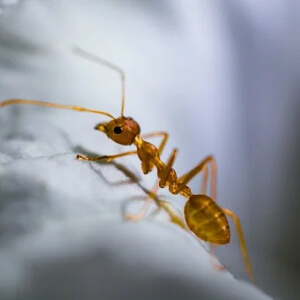
 AntFormicidae
Insects of Romania
Romania’s insects live in forests, meadows, gardens, near water and in settlements. Bees, bumblebees, ants, ladybirds, dragonflies and butterflies are easy-to-recognise examples. Other insects are small, active at night or hidden in soil and vegetation.
Adult insects have six legs and a body divided into head, thorax and abdomen. Spiders and ticks are arachnids, not insects. Wings can help with identification, although some adult insects have no visible wings.
Examples of insects found in Romania
- Bees and bumblebees: they visit flowers for nectar and pollen. The local honeybee belongs to the species Apis mellifera.
- Butterflies and moths: these are related. The hummingbird hawk-moth is mainly active during the day and is a moth, not a bird.
- Hoverflies: these are flies that may resemble bees. Adults visit flowers, while larvae of some species eat aphids.
- Ladybirds and dragonflies: many species capture other small animals. Dragonflies have aquatic larvae.
- Ants, earwigs and aphids: they have different ways of life; aphids feed on plant sap, while ants and earwigs may have varied diets.
From egg to adult
Butterflies, moths, bees and flies develop through egg, larva, pupa and adult stages. A caterpillar is the larva of a butterfly or moth. In grasshoppers, juveniles resemble adults more closely and grow through moulting.
Different roles in nature
Insects may pollinate plants, eat vegetation, capture prey or help break down organic remains. They also feed birds, bats and amphibians.
Varied flowers, field-edge vegetation and shelters help many local insects. Their presence changes with the season, weather and habitat.
Frequently asked questions
- Which insects can be found in Romania? Bees, bumblebees, ants, ladybirds, dragonflies, butterflies, moths, hoverflies and many other groups have representatives in Romania.
- Is Macroglossum stellatarum an insect or a bird? It is an insect: the hummingbird hawk-moth. It can feed while hovering in front of flowers, much like a hummingbird.
- Are caterpillars insects? Yes. They are the larval stage of butterflies and moths. Their fleshy abdominal prolegs differ from the three pairs of thoracic legs.
Sources: Romanian Ornithological Society — pollinating insects · Antipa Museum — hoverflies of Romania · Romanian Ornithological Society — garden biodiversity · Zoology Congress — hawk moths of Romania
AntFormicidae
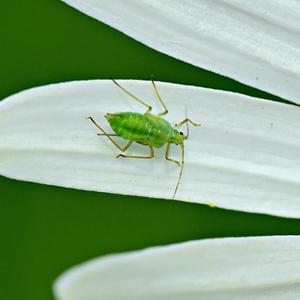 AphidsAphidoidea
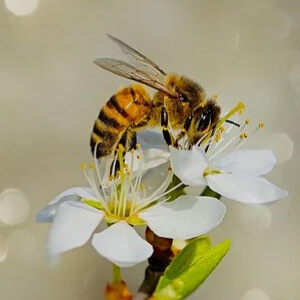 BeeApis (honey bees)
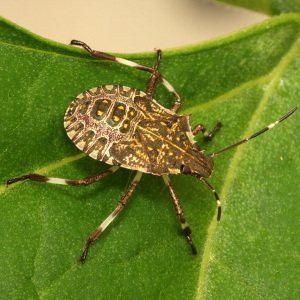 Brown marmorated stink bugHalyomorpha halys
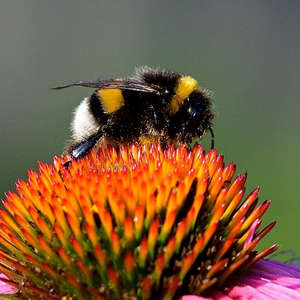 BumblebeeBombus
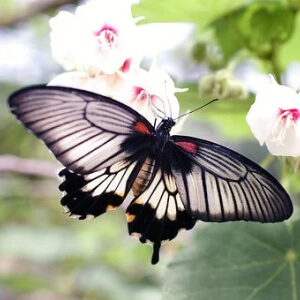 ButterflyPapilionoidea (within Lepidoptera)
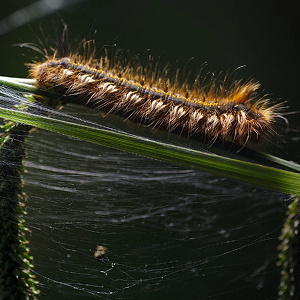 CaterpillarLepidoptera (caterpillar larval stage)
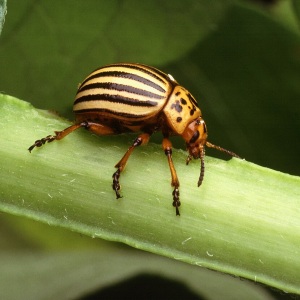 Colorado potato beetleLeptinotarsa decemlineata
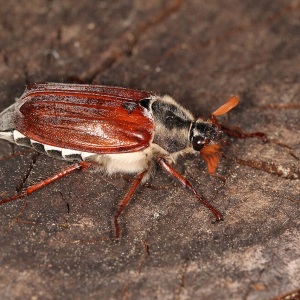 Common cockchaferMelolontha melolontha
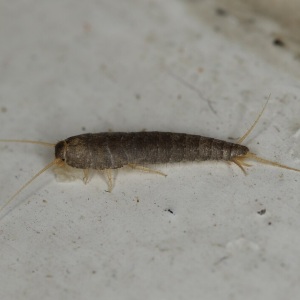 Common silverfishLepisma saccharinum
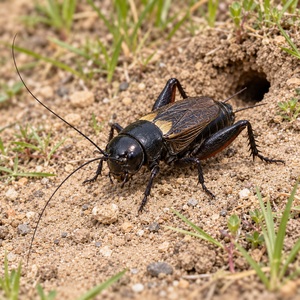 CricketsGryllidae
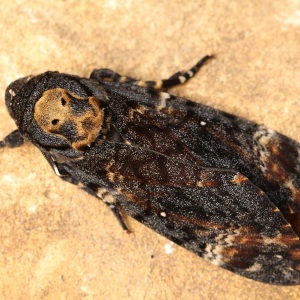 Death’s-head hawkmothAcherontia atropos
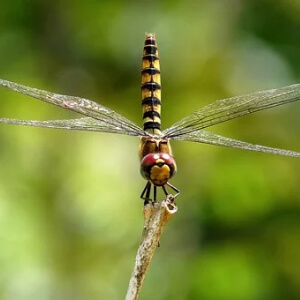 DragonflyAnisoptera (within Odonata)
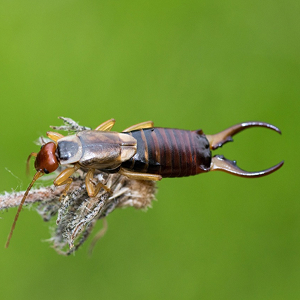 EarwigForficula auricularia
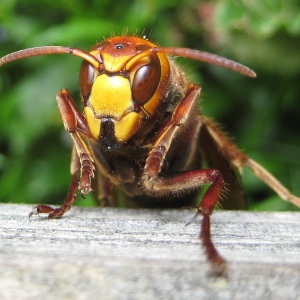 European hornetVespa crabro
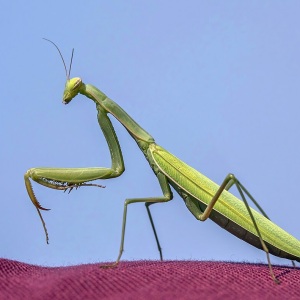 European mantisMantis religiosa
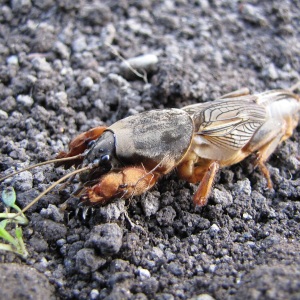 European mole cricketGryllotalpa gryllotalpa
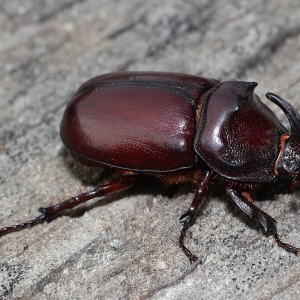 European rhinoceros beetleOryctes nasicornis
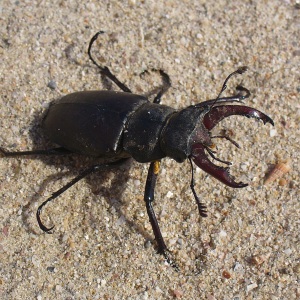 European stag beetleLucanus cervus
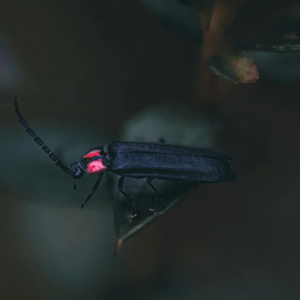 FireflyLampyridae
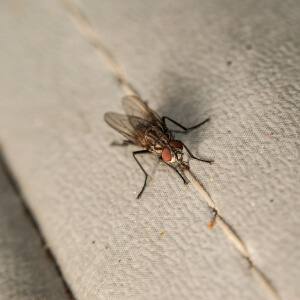 FlyDiptera; Musca domestica is the house fly
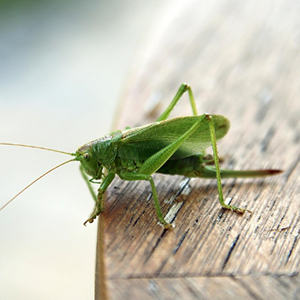 GrasshopperCaelifera
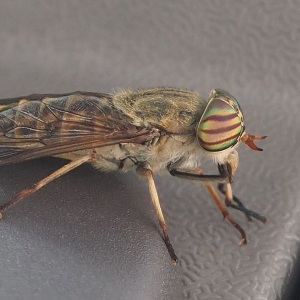 Horse flyTabanidae
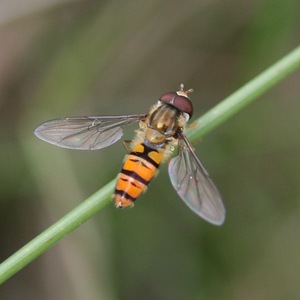 HoverfliesSyrphidae
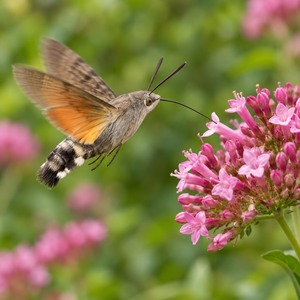 Hummingbird hawk-mothMacroglossum stellatarum
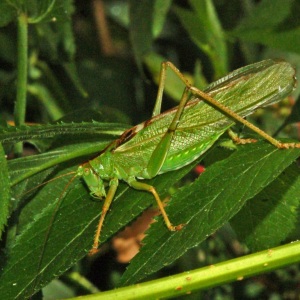 KatydidTettigoniidae
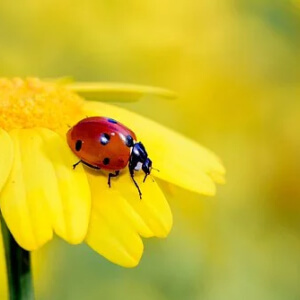 LadybirdCoccinellidae
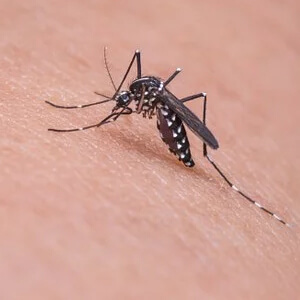 MosquitoCulicidae
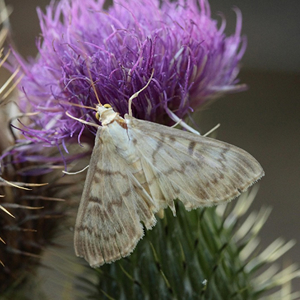 MothLepidoptera (moths from several families)
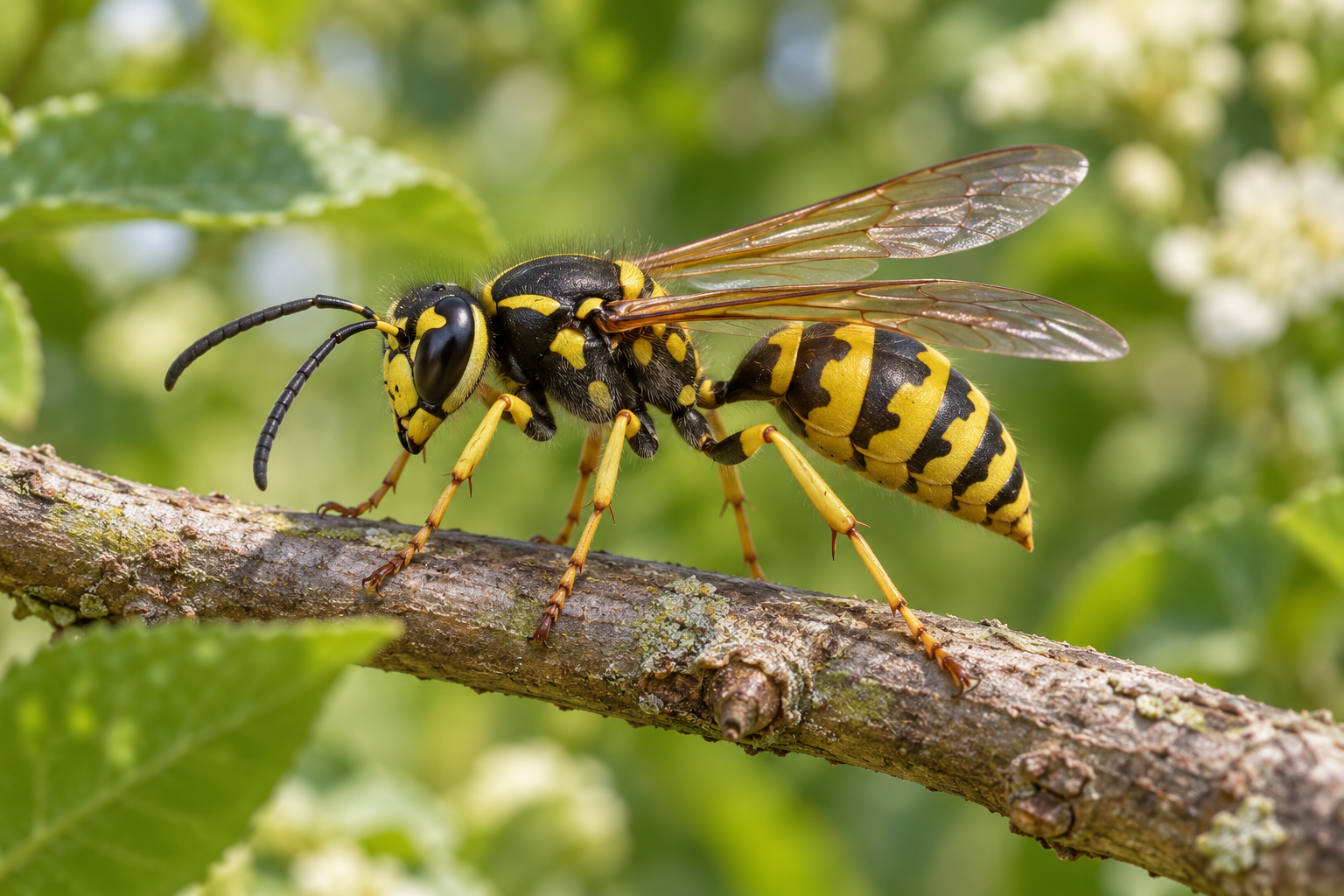 WaspHymenoptera: several wasp families, including Vespidae