
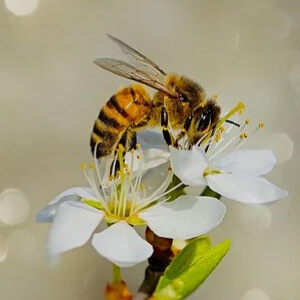
 BeeApis (honey bees)
Nectar-feeding animals
Hummingbirds, many butterflies, bees, bumblebees and hoverflies feed on nectar. This sugar-rich liquid is produced by plants. It supplies energy, and many flower visitors also eat other food.
Which animals consume nectar?
- Hummingbirds: bills and tongues help them take nectar, but they also eat small animals such as insects.
- Butterflies and moths: adults of many species drink nectar through a proboscis. The hummingbird hawk-moth is an insect, not a bird.
- Bees and bumblebees: they collect nectar, while pollen has a different nutritional role.
- Hoverflies: adults of many species visit flowers for nectar and pollen.
- Wasps and mosquitoes: adults of some species use nectar alongside other resources.
Adults and larvae may eat different foods
An insect can change its diet during development. Many caterpillars eat plants, while the adults visit flowers. Some hoverfly larvae catch aphids even though the adults feed at flowers; other hoverfly larvae have different diets.
Both male and female mosquitoes can consume sugary plant resources. Only females of certain species also take blood meals.
Nectar and pollination
Animals may carry pollen between flowers while looking for food. Some nectar feeders carry little pollen. Contact with the flower’s reproductive structures and transfer to a suitable flower matter.
Flower shape, mouthpart length and activity patterns affect access to nectar. Some adult moths do not feed at all.
Frequently asked questions
What is nectar?
A sugar-rich liquid produced by plants that can provide energy for animals that consume it.
Do butterflies and caterpillars eat the same food?
Not necessarily. In many species, caterpillars eat plants while adults drink nectar, but other diets also occur.
Is every nectar-feeding animal a pollinator?
Not automatically. Pollination requires pollen to be transferred to a suitable flower, rather than simply drinking nectar.
Sources: San Diego Zoo — hummingbird · RHS — hoverflies · National Park Service — pollinators · CDC — mosquito feeding · RHS — plants for pollinators
BeeApis (honey bees)
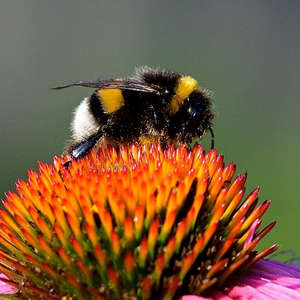 BumblebeeBombus
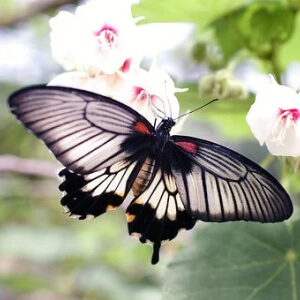 ButterflyPapilionoidea (within Lepidoptera)
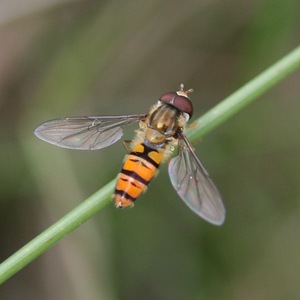 HoverfliesSyrphidae
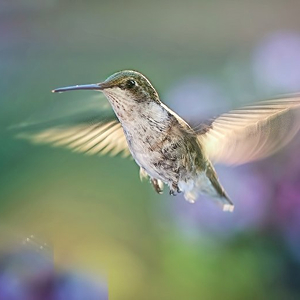 HummingbirdTrochilidae
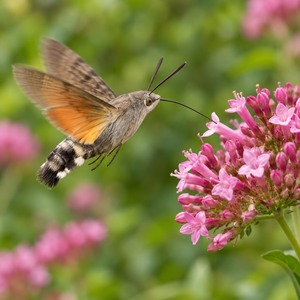 Hummingbird hawk-mothMacroglossum stellatarum
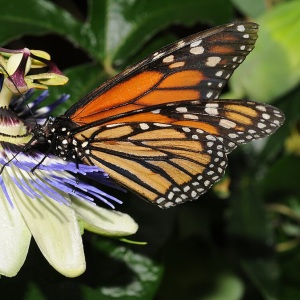 Monarch butterflyDanaus plexippus
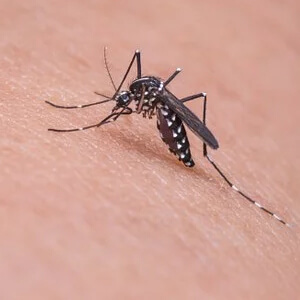 MosquitoCulicidae
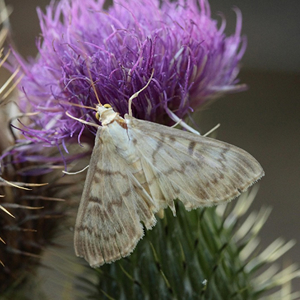 MothLepidoptera (moths from several families)
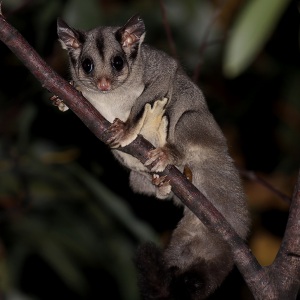 Sugar gliderPetaurus breviceps
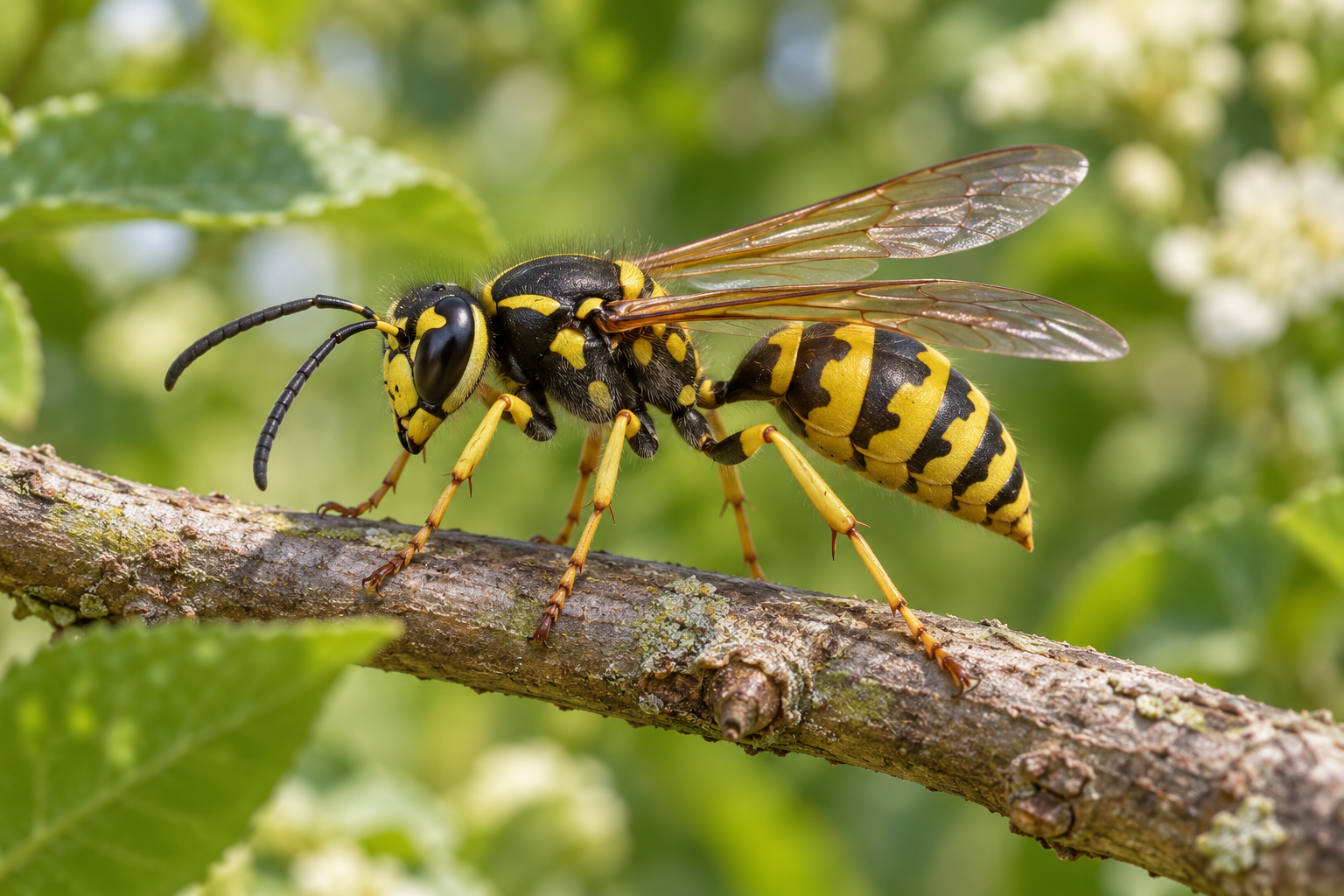 WaspHymenoptera: several wasp families, including Vespidae