
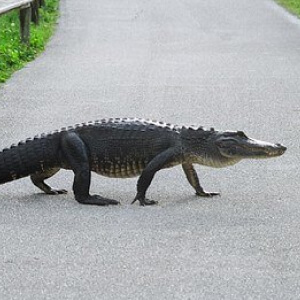
 AlligatorAlligator
Semi-aquatic animals
Semi-aquatic animals regularly use both water and land, riverbanks or ice. Beavers, otters, capybaras, platypuses, crocodiles and seals are examples. Water may provide food, shelter or a way to travel, while surfaces outside the water are needed for other activities.
Freshwater and marine examples
- Beavers, coypus and capybaras: these rodents are closely linked to water but also feed on plants and use banks.
- Otters, European mink and water shrews: they may hunt in water and nearby habitats.
- Platypuses: they forage underwater and shelter in burrows in banks.
- Crocodiles, alligators and anacondas: they use water and land in ways that vary among species.
- Seals, sea lions and walruses: they feed in water and haul out onto land or ice to rest and carry out other activities, depending on the species.
Different ways to move
No single adaptation defines every semi-aquatic animal. Some have webbed feet, while others use flippers or powerful tails. Mammals and reptiles breathe air and must reach the surface even when they spend long periods submerged.
Hippos are a special case: they can walk and push off the bottom rather than swimming like otters. They usually feed on vegetation on land.
What makes an animal semi-aquatic?
Drinking at a river or occasionally crossing a lake is not enough. Regular use of both environments matters. Dolphins and whales are fully aquatic mammals, whereas seals also use resting surfaces outside the water.
Frequently asked questions
What is a semi-aquatic animal?
An animal that regularly uses water and land, banks or ice for activities such as feeding, sheltering and resting.
Are dolphins semi-aquatic?
No. Dolphins are fully aquatic mammals. They breathe air at the surface but never come onto land.
Can all semi-aquatic animals breathe underwater?
No. Semi-aquatic mammals and reptiles breathe air and need to reach the surface.
Sources: Smithsonian — beaver · Australian Museum — platypus · San Diego Zoo — hippo · Smithsonian — green anaconda · NOAA Fisheries — harbor seal · San Diego Zoo — sea lion · US Fish and Wildlife Service — Pacific walrus
AlligatorAlligator
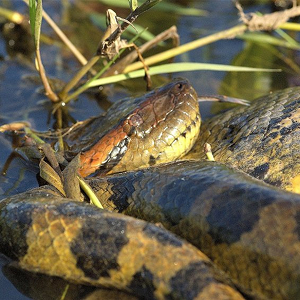 AnacondaEunectes
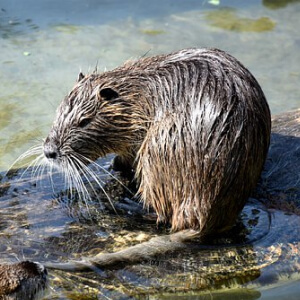 BeaverCastor fiber; Castor canadensis
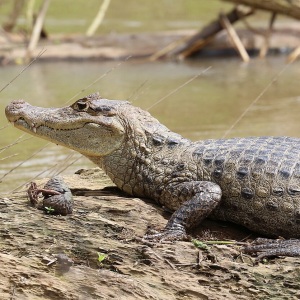 CaimanCaimaninae
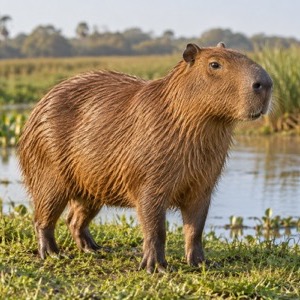 CapybaraHydrochoerus hydrochaeris
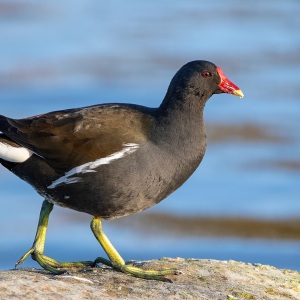 Common moorhenGallinula chloropus
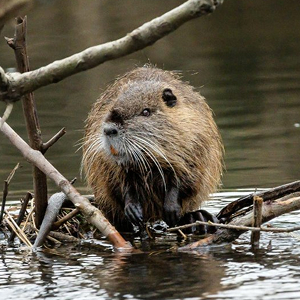 CoypuMyocastor coypus
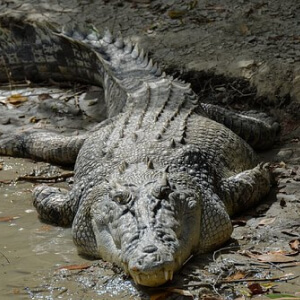 CrocodileCrocodylidae
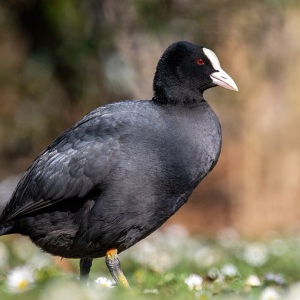 Eurasian cootFulica atra
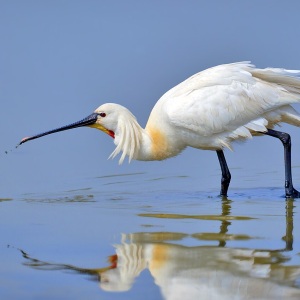 Eurasian spoonbillPlatalea leucorodia
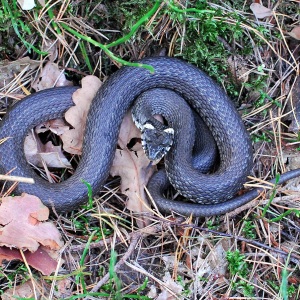 Grass snakeNatrix natrix
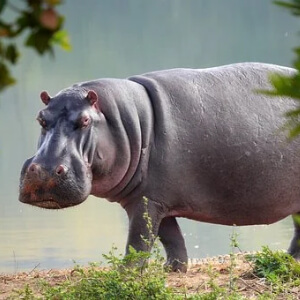 HippopotamusHippopotamus amphibius
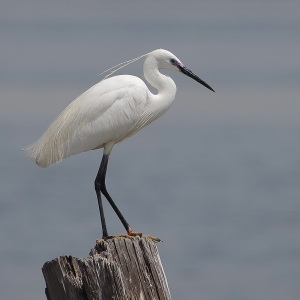 Little egretEgretta garzetta
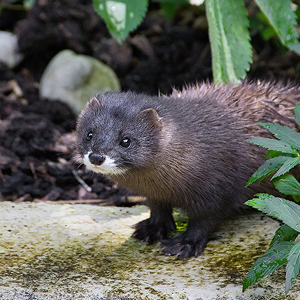 MinkMustela lutreola (European mink); Neogale vison (American mink)
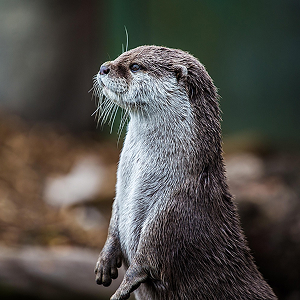 OtterLutrinae; Lutra lutra is the Eurasian otter, Lontra canadensis the North American river otter
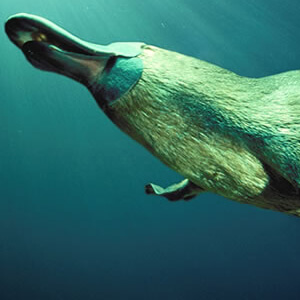 PlatypusOrnithorhynchus anatinus
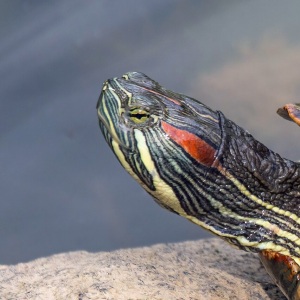 Red-eared sliderTrachemys scripta elegans
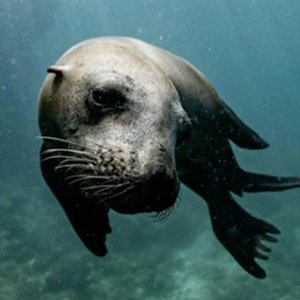 Sea lionOtariidae (sea lions; family also includes fur seals)
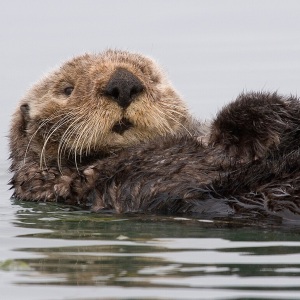 Sea otterEnhydra lutris
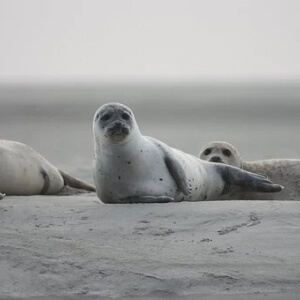 SealPhocidae
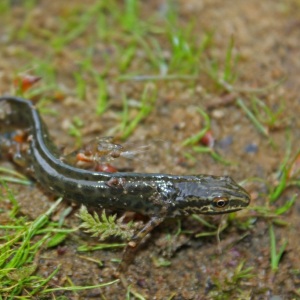 Smooth newtLissotriton vulgaris
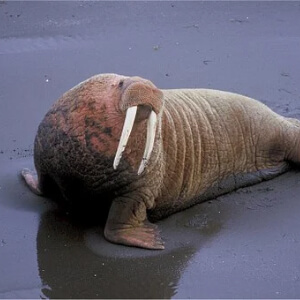 WalrusOdobenus rosmarus
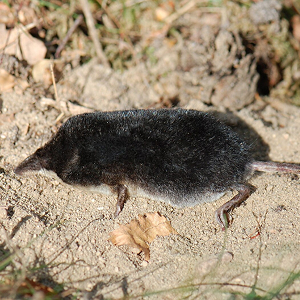 Water shrewNeomys fodiens