
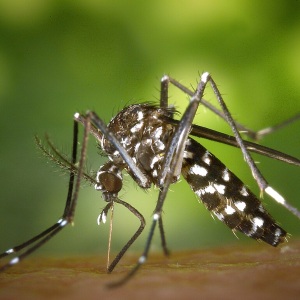
 Asian tiger mosquitoAedes albopictus
Black-and-white animals
Giant pandas, zebras, killer whales and skunks are familiar black-and-white animals. These colours also occur in penguins, white storks, adult Malayan tapirs and some indris. Patterns range from stripes and spots to large contrasting areas.
How are black and white combined?
- Giant panda: black eye patches, ears and limbs contrast with white fur.
- Zebra: stripe patterns differ between species and individuals.
- Killer whale: a dark body contrasts with white areas on the head and underside.
- Striped skunk: prominent white stripes run through black fur.
- Malayan tapir: adults have a large white area around the middle of the body. Calves have a different pattern.
- Penguins and white storks: dark and white feather areas can occur alongside other colours.
- Indri: black and white proportions vary; some individuals are much darker.
Patterns vary
The two colours can appear in very different amounts. Small patches, stripes and contrasts between the back and underside all occur.
Age and individual variation matter. Young Malayan tapirs look different from adults, and the extent of white fur in indris varies across their range.
Frequently asked questions
Do black-and-white animals have only two colours?
Not necessarily. Other shades can occur on bills, feet or particular feather areas.
Are all tapirs black and white?
No. The familiar black-and-white pattern belongs to adult Malayan tapirs. Other species and calves look different.
Do black and white cover equal areas?
No. Stripes, patches and large areas of colour occur in different proportions between species and individuals.
Sources: San Diego Zoo — giant panda · San Diego Zoo — zebras · San Diego Zoo — tapirs · University of Michigan — indri · NOAA Fisheries — killer whale · University of Michigan — striped skunk · San Diego Zoo — penguins · Romanian Ornithological Society — white stork
Asian tiger mosquitoAedes albopictus
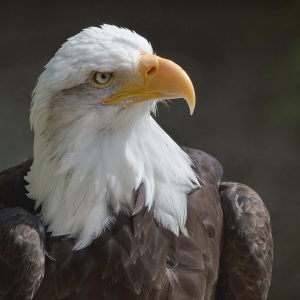 Bald eagleHaliaeetus leucocephalus
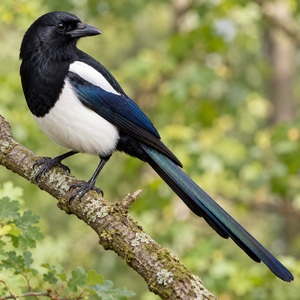 Eurasian magpiePica pica
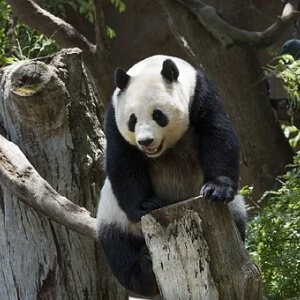 Giant pandaAiluropoda melanoleuca
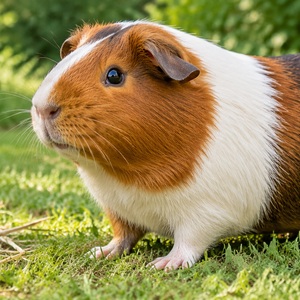 Guinea pigCavia porcellus
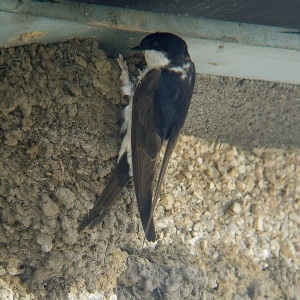 House martinDelichon urbicum
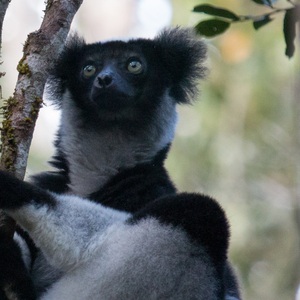 IndriIndri indri
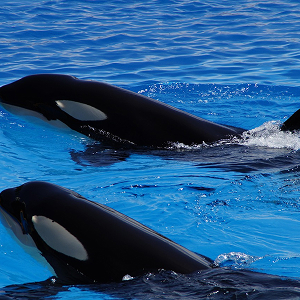 OrcaOrcinus orca
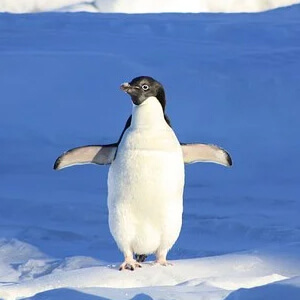 PenguinSpheniscidae
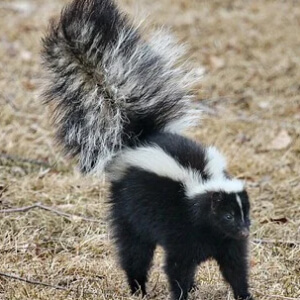 SkunkMephitidae
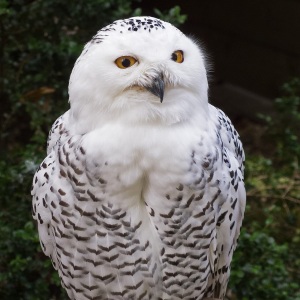 Snowy owlBubo scandiacus
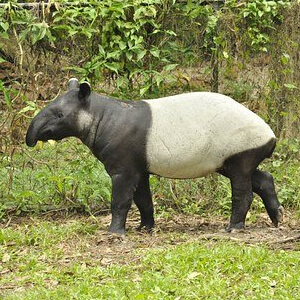 TapirTapiridae: Tapirus spp.
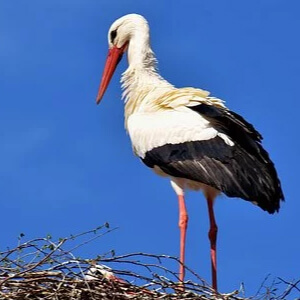 White storkCiconia ciconia
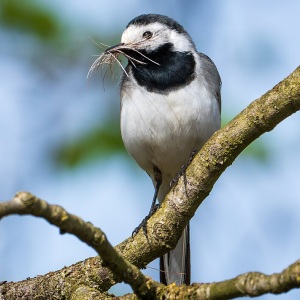 White wagtailMotacilla alba
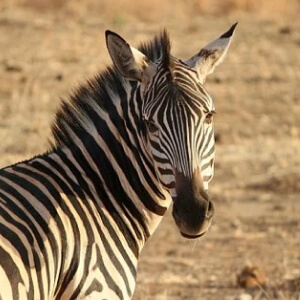 ZebraEquus quagga, Equus zebra and Equus grevyi