Shih TzuCharacteristics, history, training and care
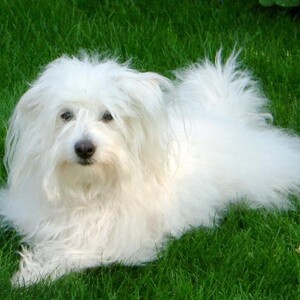
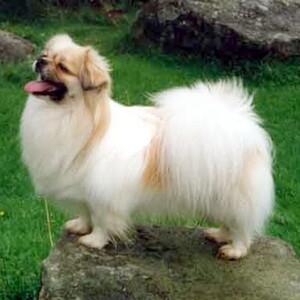
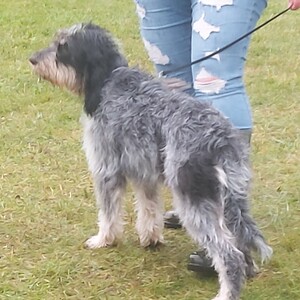
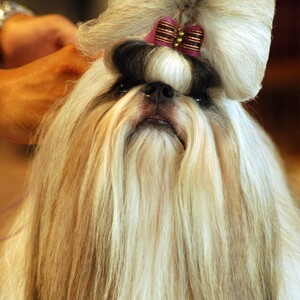
Shih Tzu. · danny O. / Wikimedia Commons, CC BY 2.0. Cropped and resized.
The Shih Tzu is a small companion dog with a long, abundant coat, with roots in Tibet and developed in China, where dogs like it lived in the imperial palaces. The FCI standard describes it as intelligent, active, alert, friendly and independent. The AKC calls it “canine royalty”, a cheerful, playful dog whose only purpose is to love its family.
Quick facts
| Common name | Shih Tzu |
| Scientific name | Canis lupus familiaris |
| Country of origin | Tibet (China); patronage: Great Britain |
| Official recognition | FCI, definitively since 16 December 1957 (group 9, companion dogs; standard no. 208); also recognised by the AKC |
| Lifespan | 10–18 years, according to the AKC |
| Size (males) | no more than 27 cm at the withers; 4.5–8 kg |
| Size (females) | no more than 27 cm at the withers; 4.5–8 kg |
| Coat type | Long, dense, not curly, with a moderate undercoat |
| Common colours | All colours except merle |
| Energy level | Medium |
| Suited to an apartment? | Yes |
| Temperament | Intelligent, active, alert, friendly, independent |
| Tendency to aggression | Very low |
| Good with children | Very good, according to the AKC |
| Good with other animals | Very good |
| Genetic predispositions | Heat sensitivity, patellar luxation, hip dysplasia, eye diseases |
History and origin
The FCI standard says the breed has its roots in Tibet but was developed in China, where dogs like it lived in the imperial palaces. After China became a republic in 1912, a few reached the West, but the first recorded import into Britain was not until 1931.
In 1934 it was recognised as a breed separate from other Oriental breeds, and in 1940 the Kennel Club gave it a separate register. The standard says people often confuse the Lhasa Apso and the Shih Tzu, but there are clear differences between them.
How the breed developed
- Imperial era – It lives in the Chinese imperial palaces.
- 1931 – The first recorded import into Britain.
- 1934 – Recognised as a separate breed.
- 1940 – A separate register at the Kennel Club.
- 16 December 1957 – The FCI recognises the breed.
Breed rating
| Feature | Stars |
|---|---|
| Training and intelligence | ★★★★★ |
| Easy to train | ★★★★★ |
| Intelligence | ★★★★★ |
| Independence | ★★★☆☆ |
| Stubbornness | ★★★☆☆ |
| Behaviour and temperament | ★★★★★ |
| Affectionate with family | ★★★★★ |
| Friendly with children | ★★★★★ |
| Good with other dogs | ★★★☆☆ |
| Good with cats and other animals | ★★★☆☆ |
| Loyalty | ★★★☆☆ |
| Tendency to be aggressive | ★☆☆☆☆ |
| Tendency to bark | ★★☆☆☆ |
| Needs and care | ★★★★☆ |
| Shedding | ★★☆☆☆ |
| Needs frequent grooming | ★★★☆☆ |
| Activity and lifestyle | ★★★☆☆ |
| Energy level | ★★★★☆ |
| Daily exercise needs | ★★☆☆☆ |
| Suited to apartment life | ★★★☆☆ |
| Health and longevity | ★★★☆☆ |
| Life expectancy | ★★★☆☆ |
| Predisposition to genetic diseases | ★☆☆☆☆ |
| Working abilities and uses | ★★★★★ |
| Good companion dog | ★★★☆☆ |
| Good companion dog | ★☆☆☆☆ |
Indicative rating: 5 stars means the highest level. It is based on the ratings the American Kennel Club gives the breed and on the FCI standard.
Physical characteristics
The AKC says that although it weighs only 4–7 kg and stands 20–28 cm, it is surprisingly solid for its size. The head is broad and round, with a beard and whiskers, and the hair growing upwards on the muzzle gives it a “chrysanthemum” look.
General appearance
The topcoat is long, dense and not curly, with a moderate undercoat; a slight wave is permitted. The hair must not stop it from seeing or moving; the standard recommends tying up the hair on the head, without ornaments.
| Feature | Shih Tzu |
|---|---|
| Size | Toy |
| Height at the withers | no more than 27 cm |
| Weight | 4.5–8 kg (ideally 4.5–7.5 kg) |
| Coat | Long, dense |
| Head | “Like a chrysanthemum” |
| Type | Companion dog |
The standard accepts all colours except merle. In multicoloured dogs, a white blaze on the forehead and a white tail tip are highly desirable.
Training and socialisation
The standard describes it as intelligent, active, alert, friendly and independent. The AKC says training can be amusing but also frustrating: the Shih Tzu charms its owner into letting it do what it wants, and the result can be a plump dog that is not fully house-trained and is hard to groom.
Being very attached to people, it responds best to praise and rewards. Harsh corrections should not be used.
Tips for effective training
- Use praise and rewards. The AKC says they work best.
- Do not let it charm you. Be consistent with the rules.
- House-train it early. Otherwise it takes a long time.
- Get it used to brushing. The coat needs daily care.
Activity needs and lifestyle
It has moderate exercise needs: short walks and play indoors. The AKC says that, because of its abundant coat and short muzzle, it does not tolerate heat well and is not a good swimmer.
| Activity | How often | Why it matters |
|---|---|---|
| Short walks | daily | Fitness |
| Play indoors | daily | Energy |
| Light training | several times a week | Discipline |
Tips for a balanced life
- It suits an apartment.
- Avoid great heat.
- Keep it away from deep water.
Care and health
Coat and skin care
The AKC says a long-coated Shih Tzu should be brushed daily, in layers, right down to the skin, with a pin brush. A bath every three or four weeks keeps the coat clean. The moustache and topknot should be combed daily, and the corners of the eyes gently wiped with a damp cloth.
Common health problems
The AKC says the Shih Tzu is generally healthy and long-lived, but responsible breeders screen their dogs for:
| Condition | Description | Common symptoms |
|---|---|---|
| Hip dysplasia | The hip joint forms incorrectly and, over time, arthritis develops | Limping, difficulty getting up or jumping, hip pain |
| Patellar luxation | The kneecap slips out of place | Suddenly holds a hind leg up for a few steps, then uses it again |
| Eye diseases | Cataracts, progressive retinal atrophy, retinal detachment | Poor vision, cloudy eyes |
| Brachycephalic syndrome | The airways are narrowed by the short muzzle | Noisy breathing, tires quickly, copes poorly with heat |
Other care
- Wipe the corners of the eyes every day.
- Keep it out of the heat.
- Brush its teeth regularly.
Diet and nutrition
The AKC recommends good-quality food suited to its age and keeping an eye on its weight, as some gain weight easily.
Tips for a healthy diet
The table gives a starting estimate, calculated with the formula from the Merck Veterinary Manual. The first two calorie columns show the calories per day for a healthy adult dog. The last column shows what this means in dry food with 3,500–4,000 kcal per kilogram.
| Dog's weight | Calories per day (neutered) | Calories per day (not neutered) | Dry food per day (approximate) |
|---|---|---|---|
| 4.5 kg | 350 kcal | 390 kcal | 88–111 g |
| 6 kg | 430 kcal | 480 kcal | 110–140 g |
| 7.5 kg | 510 kcal | 570 kcal | 130–160 g |
- Treats count towards the daily portion.
- Divide the food into two or three small meals.
- A dog is at the right weight when you can feel its ribs under the coat without pressing hard.
Foods to avoid
Some human foods are dangerous for dogs: chocolate, coffee, grapes and raisins, onions, garlic, xylitol (a sweetener used in chewing gum), macadamia nuts and alcohol.
Reproduction and development
Physical and emotional maturity
In dogs, sexual maturity usually comes between 6 and 12 months. Small breeds become adults faster than large ones, usually at around one year.
Mating and pregnancy
Pregnancy lasts about 63 days, counted from ovulation. Mating a female on her first heat is not recommended. The FCI standard requires that only healthy dogs of typical breed appearance are used for breeding.
Caring for the puppies
In small breeds, a litter has 3–4 puppies on average. The puppies are very small and fragile in the first weeks, so they must be kept warm and handled with care. Socialisation starts early: gentle handling, everyday noises and new people.
Interesting facts
- A palace dog. It lived in the Chinese imperial palaces.
- A chrysanthemum head. The hair grows upwards on the muzzle.
- Confused with the Lhasa Apso. The standard says they are different breeds.
- Solid for its size. The AKC finds it surprisingly solid.
- Not a good swimmer. Its coat and short muzzle get in the way.
Frequently asked questions
How often should it be brushed?
Daily, if it has a long coat.
Is it good with children?
Yes; the AKC gives it top marks for getting on with children.
How much does it weigh?
Between 4.5 and 8 kg.
Does it cope with heat?
Not very well, because of its coat and short muzzle.
How long does it live?
The AKC gives 10–18 years.