KuvaszCharacteristics, history, training and care
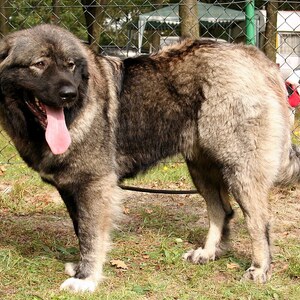
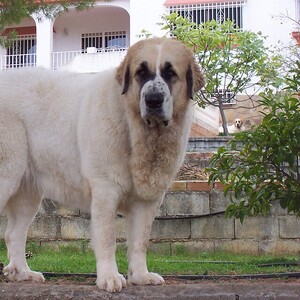
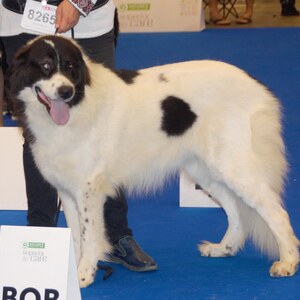
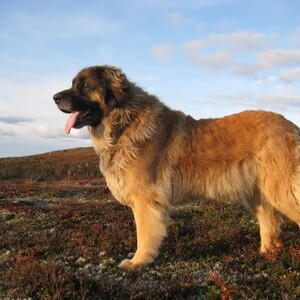
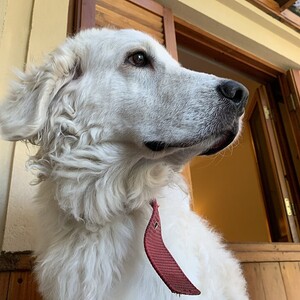
Kuvasz. · Memenkeke / Wikimedia Commons, CC BY-SA 4.0. Cropped and resized.
The Kuvasz is an old, large and powerful Hungarian shepherd dog with a dense, wavy white coat. Its ancestors reached the Carpathian Basin with the Hungarians and guarded the flocks against wild animals and thieves. The standard describes it as brave, fearless, faithful and very devoted to its owner.
Quick facts
| Common name | Kuvasz (Hungarian white shepherd dog) |
| Scientific name | Canis lupus familiaris |
| Country of origin | Hungary |
| Official recognition | FCI, definitively since 10 August 1954 (group 1, sheepdogs; standard no. 54); also recognised by the AKC |
| Lifespan | 10–12 years, according to the AKC |
| Size (males) | 71–76 cm at the withers; 48–62 kg |
| Size (females) | 66–70 cm at the withers; 37–50 kg |
| Coat type | Double, moderately harsh, wavy, does not mat |
| Common colours | White; ivory permitted |
| Energy level | Moderate |
| Suited to an apartment? | No |
| Temperament | Brave, fearless, faithful, independent |
| Tendency to aggression | May become aggressive if mistreated; a serious guard dog |
| Good with children | Average; with supervision |
| Good with other animals | Average |
| Genetic predispositions | Hip and elbow dysplasia, autoimmune thyroiditis, progressive retinal atrophy, bloat |
- Primary category:Dog breeds
- Explore this animal's categories:
History and origin
The FCI standard says the Kuvasz is an old Hungarian shepherd dog, whose ancestors came to the Carpathian Basin with the settling Hungarians. They were used to guard the flocks against wild animals and thieves. Thanks to its hunting instinct, it was the favourite hunting dog in the time of King Matthias Corvinus.
After the decline of herding, the Kuvasz moved into villages and then into towns. Wikipedia says the name probably comes from the Old Turkic “küvaz” and that, by the end of the Second World War, almost all the Kuvasz dogs in Hungary had been killed because they protected their families.
How the breed developed
- The Hungarian settlement – Its ancestors reach the Carpathian Basin with the Hungarians.
- 15th century – King Matthias Corvinus keeps many Kuvasz dogs at his court.
- Late 19th century – Selective breeding of the breed begins.
- 1945 – The breed is almost wiped out in Hungary.
- 10 August 1954 – The FCI definitively recognises the breed.
Breed rating
| Feature | Stars |
|---|---|
| Training and intelligence | ★★★☆☆ |
| Easy to train | ★★★★★ |
| Intelligence | ★★★★★ |
| Independence | ★★★★★ |
| Stubbornness | ★★★★☆ |
| Behaviour and temperament | ★★★★☆ |
| Affectionate with family | ★★★★★ |
| Friendly with children | ★★★☆☆ |
| Good with other dogs | ★★★☆☆ |
| Good with cats and other animals | ★★★☆☆ |
| Loyalty | ★★★★★ |
| Tendency to be aggressive | ★★★☆☆ |
| Tendency to bark | ★★★☆☆ |
| Needs and care | ★★★★☆ |
| Shedding | ★★★☆☆ |
| Needs frequent grooming | ★★☆☆☆ |
| Activity and lifestyle | ★★★☆☆ |
| Energy level | ★★★☆☆ |
| Daily exercise needs | ★★★★☆ |
| Suited to apartment life | ★★☆☆☆ |
| Health and longevity | ★★★☆☆ |
| Life expectancy | ★★★☆☆ |
| Predisposition to genetic diseases | ★★★☆☆ |
| Working abilities and uses | ★★★★★ |
| Good guard dog | ★★★★★ |
| Good companion dog | ★★★☆☆ |
Indicative rating: 5 stars means the highest level. It is based on the ratings the American Kennel Club gives the breed and on the FCI standard.
Physical characteristics
The standard describes it as a powerful, large dog with a dense, wavy white coat, whose pleasing appearance shows nobility and strength. The bones are strong but not coarse, and the muscles are lean and powerful.
General appearance
The head, ears and paws have short hair, 1–2 cm long. The coat on the body is moderately harsh, wavy, slightly stiff and does not tend to mat; beneath it is a fine, woolly undercoat. On the back of the legs it has feathering 5–8 cm long.
| Feature | Kuvasz |
|---|---|
| Size | Very large |
| Height at the withers | males: 71–76 cm; females: 66–70 cm |
| Weight | males: 48–62 kg; females: 37–50 kg |
| Coat | Double, wavy |
| Colour | White or ivory |
| Pigment | Black nose, eyelids and lips |
The colour is white; ivory is permitted. The nose, eyelid rims and lips are black, and the paw pads black or slate grey.
Training and socialisation
The standard says it is brave and fearless and defends the people and property entrusted to it, even at the cost of its life. It is self-assured and may become aggressive if mistreated. It is faithful, reliable and loves its owner.
The AKC says it has a keen intelligence and great determination and is very devoted to its family, but it can be a challenge for a novice. It matures slowly, so training requires patience.
Tips for effective training
- Socialise it as a puppy. The AKC says this is essential.
- Be patient. It matures slowly.
- Do not treat it harshly. It may become aggressive if mistreated.
- Keep it busy. The standard says it must be kept occupied.
Activity needs and lifestyle
The AKC says that, as a strong and active working dog, it needs daily activity. A fenced yard is essential, and the fast-growing puppies need suitable, controlled exercise.
| Activity | How often | Why it matters |
|---|---|---|
| Long walks | daily | Health and balance |
| Time in a fenced yard | daily | It guards its territory |
| Controlled exercise for puppies | daily | Protects the joints |
Tips for a balanced life
- A fence is essential.
- It is not suited to beginners.
- In summer, give it shade and water.
Care and health
Coat and skin care
The AKC says the double coat is very easy to look after: a brush once a week to remove dirt and reduce shedding, and an occasional bath. The nails should be trimmed about once a month unless they wear down naturally.
Common health problems
The AKC says the breed is generally healthy, and responsible breeders screen their dogs for:
| Condition | Description | Common symptoms |
|---|---|---|
| Hip dysplasia | The hip joint forms incorrectly and, over time, arthritis develops | Limping, difficulty getting up or jumping, hip pain |
| Elbow dysplasia | The elbow joint develops incorrectly and arthritis appears | Limping on the front legs, especially after exercise |
| Autoimmune thyroiditis | The body attacks the thyroid gland | Tiredness, weight gain, thin coat |
| Progressive retinal atrophy | The retina gradually degenerates | Has trouble seeing at night, then sees less and less well |
| Patellar luxation | The kneecap slips out of place | Suddenly holds a hind leg up for a few steps, then uses it again |
| Gastric dilatation-volvulus (bloat) | The stomach fills with gas and may twist; this is a veterinary emergency | Swollen belly, trying to vomit without success, drooling, restlessness |
Other care
- Check the ears regularly.
- Brush its teeth often.
- Trim the nails monthly.
Diet and nutrition
The AKC says some dogs gain weight easily. For such a large, deep-chested dog, there is also a risk of bloat.
Tips for a healthy diet
The table gives a starting estimate, calculated with the formula from the Merck Veterinary Manual. The first two calorie columns show the calories per day for a healthy adult dog. The last column shows what this means in dry food with 3,500–4,000 kcal per kilogram.
| Dog's weight | Calories per day (neutered) | Calories per day (not neutered) | Dry food per day (approximate) |
|---|---|---|---|
| 37 kg | 1,680 kcal | 1,890 kcal | 420–540 g |
| 50 kg | 2,110 kcal | 2,370 kcal | 530–680 g |
| 62 kg | 2,470 kcal | 2,780 kcal | 620–790 g |
- Split the food into two meals a day to reduce the risk of bloat.
- Do not let it run right after a meal.
- Puppies need food suited to large breeds.
Foods to avoid
Some human foods are dangerous for dogs: chocolate, coffee, grapes and raisins, onions, garlic, xylitol (a sweetener used in chewing gum), macadamia nuts and alcohol.
Reproduction and development
Physical and emotional maturity
In dogs, sexual maturity usually comes between 6 and 12 months, but in large breeds it can be delayed until about two years. Very large breeds become adults only at around 2 years.
Mating and pregnancy
Pregnancy lasts about 63 days, counted from ovulation. Mating a female on her first heat is not recommended. The FCI standard requires that only healthy dogs of typical breed appearance are used for breeding.
Caring for the puppies
In large breeds, a litter has around 7 puppies on average. The puppies grow very fast, so they need growth food suited to large breeds. Socialisation starts in the first weeks.
Interesting facts
- The king's dog. Matthias Corvinus kept many Kuvasz dogs at his court, according to Wikipedia.
- A Hungarian plural. The AKC says the plural is “Kuvaszok”.
- A coat that does not mat. The standard says the coat does not tend to mat.
- A hunter too. Thanks to its instinct, it was also used for hunting.
- Almost extinct in 1945. Wikipedia says almost all the dogs in Hungary had been killed.
Frequently asked questions
How big does a Kuvasz get?
Males measure 71–76 cm and weigh 48–62 kg; females measure 66–70 cm and weigh 37–50 kg.
Is it good for beginners?
Usually not. It is independent and very protective.
Is the white coat hard to look after?
No. The AKC says a brush once a week is enough.
How long does it live?
The AKC gives 10–12 years.