SharkInteresting facts and information
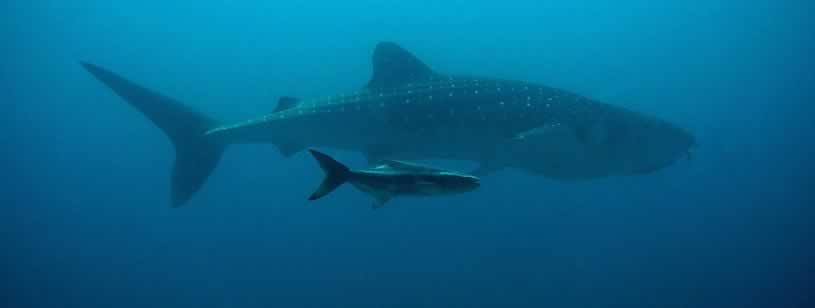
Sharks are fishes with skeletons made mainly of cartilage. They include many species with different sizes, diets and ways of reproducing. Some hunt large prey, while others filter small organisms from the water.
These cartilaginous fish have a streamlined body, a highly developed set of senses and powerful jaws, which make them effective predators. Today many species are threatened by overfishing and climate change, and protecting them is essential for healthy oceans.
Quick facts
| Common name | Shark |
| Scientific name | Selachimorpha (sharks within Chondrichthyes) |
| Typical lifespan | About 20-70 years (depending on species); the Greenland shark may live for centuries |
| Maximum speed | Varies by species; the shortfin mako can exceed 50 km/h in bursts |
| Length | About 20 cm to 18 m (from the dwarf lanternshark to the whale shark) |
| Weight | From under 1 kg to more than 20 tonnes |
| Diet type | Carnivore (fish, marine mammals, crustaceans) or plankton-feeder |
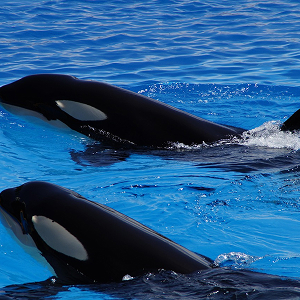
| Main predators | Other sharks, orcas, humans (overfishing) |
| Conservation status | Varies by species; many are Endangered or Critically Endangered |
| Geographical distribution | All the world's oceans, from coral reefs to the deep sea |
| Habitat | Tropical, temperate and polar seas, reefs, the open ocean and the deep sea |
| Social behaviour | Solitary or in small groups (some species) |
| Special adaptations | Electroreceptors, constantly replaced teeth, cartilage skeleton |
- Primary category:Fish
- Explore this animal's categories:
Interesting facts
- Sharks can sense the heartbeat of hidden prey - Organs called the ampullae of Lorenzini detect the tiny electric fields produced by other animals.
- They have no bones - Their skeleton is made of cartilage, which is lighter and more flexible than bone.
- Their teeth are replaced throughout life - A shark can lose and regrow tens of thousands of teeth during its lifetime.
- The whale shark is the largest fish in the world - It can grow to about 18 metres long, yet it feeds mainly on plankton.
- Some sharks live for centuries - The Greenland shark (Somniosus microcephalus) may live for about 270-400 years or more, making it the longest-lived known vertebrate.
- The mako is the fastest shark - The shortfin mako can swim at more than 50 km/h in bursts, making it one of the fastest fish in the sea.
- Some females can have young without mating - This is called parthenogenesis and has been recorded in several shark species in captivity.
Records and remarkable features
- Sharks are fishes with skeletons made mainly of cartilage. They include many species with different sizes, diets and ways of reproducing. Some hunt large prey, while others filter small organisms from the water.
Characteristics
Sharks are cartilaginous fish superbly adapted for hunting and survival, with a streamlined body, highly developed senses and teeth that are constantly replaced.
Appearance
- Streamlined, flexible body - Reduces water resistance and allows fast swimming and quick turns.
- Cartilage skeleton - Lighter than bone, more flexible and helps with buoyancy.
- Skin covered with tiny tooth-like scales - These denticles reduce drag, so sharks swim efficiently.
- Stiff, efficient fins - The dorsal fin keeps the body stable, and the pectoral fins help with steering.
- No swim bladder - Instead, a large, oily liver helps keep sharks afloat.
Special adaptations
- Ampullae of Lorenzini - Sense the electric fields of prey, even when it is hidden under the sand.
- An excellent sense of smell - Some sharks can detect blood at very low concentrations, around one part per million.
- Replaceable teeth - Over its life, a shark can lose and replace tens of thousands of teeth.
- Swimming to breathe - Some species, such as the great white shark, must keep swimming to push water over their gills.
- Eyes adapted to dim light - A reflective layer (tapetum lucidum) improves their vision in poor light.
Habits and behaviour
Most sharks hunt alone, but some species show complex social behaviour. They rely on their senses and hunting strategies to find and catch prey.
Social behaviour
- Most species are solitary and patrol large areas.
- Some species, such as scalloped hammerheads, gather in large schools.
- Body language - Some sharks arch their backs and lower their pectoral fins to warn rivals or threats.
- Residents and travellers - Some sharks stay in the same area, while others migrate thousands of kilometres every year.
Hunting and survival techniques
- Surprise attacks - Great white sharks rush up from below at high speed to catch seals or fish.
- Investigating prey - Some sharks, such as tiger sharks, bite to test unfamiliar objects before deciding whether to eat them.
- Camouflage - Many sharks have a dark back and pale belly, which makes them hard to see from above and below; some reef sharks blend in with the seabed.
- Group feeding - Some sharks feed together on large schools of fish.
Defence techniques
- Speed - Small sharks can accelerate suddenly to escape predators.
- Biting - When threatened, sharks may bite to defend themselves.
- Threat displays - Some sharks, such as grey reef sharks, swim in an exaggerated, hunched way to warn intruders.
- Hiding - Small sharks shelter in reefs, caves and seaweed.
Habitat and geographic distribution
Sharks live in all the world's oceans, from tropical coral reefs to cold Arctic depths.
| Region | Example species | Preferred habitat |
|---|---|---|
| Tropical oceans | Reef sharks, hammerhead sharks | Coral reefs, lagoons |
| Temperate seas | Great white shark, blue shark | Coastal waters, continental shelves |
| Polar oceans | Greenland shark | Deep, cold waters |
| Open ocean | Mako shark, blue shark, oceanic whitetip | Open water down to about 1,000 m |
| Deep sea | Lanternsharks and other deep-sea sharks | Depths of more than 1,000 m |
Types of habitat
- Shallow water (0-100 m) - Coral reefs and coasts (e.g. hammerhead sharks, reef sharks).
- Open water (100-1,000 m) - Ocean-going sharks (e.g. mako shark, blue shark).
- Deep water (1,000 m and more) - Species adapted to high pressure (e.g. lanternsharks).
- Polar waters - The Greenland shark lives in the cold waters of the Arctic and North Atlantic.
Human impact and threats
- Overfishing - Around 100 million sharks are thought to be killed every year for their fins and meat.
- Pollution - Plastic and heavy metals harm sharks' health.
- Habitat destruction - Coral reefs and nursery areas are threatened by climate change and coastal development.
- Finning - In this wasteful practice, a shark's fins are cut off and the rest of the animal is thrown back into the sea.
Diet and feeding
Many sharks are top predators, and their diet depends on the species. Some are powerful hunters, while others are filter-feeders that eat plankton.
What do sharks eat?
| Type of food | Example species |
|---|---|
| Fish and squid | Great white shark, mako shark, hammerhead sharks |
| Marine mammals | Great white shark, tiger shark |
| Crustaceans and molluscs | Bull shark, nurse shark |
| Smaller sharks and rays | Mako shark, bull shark, hammerhead sharks |
| Carcasses of large animals | Tiger shark (an opportunistic scavenger) |
| Plankton and small animals | Whale shark, basking shark |
Feeding techniques
- Ambush - The great white shark attacks seals from below with a powerful upward rush.
- Test bites - Tiger sharks may bite unfamiliar objects to find out whether they are food.
- Speed chases - Mako sharks can chase fast fish such as tuna.
- Filter-feeding - Whale sharks and basking sharks swim with their mouths wide open, filtering huge amounts of water for plankton.
Adapting to food supply
- Ocean-going sharks travel thousands of kilometres to find food.
- Some species can go without food for weeks.
- The tiger shark eats almost anything - from turtles to rubbish thrown into the sea.
Reproduction and life cycle
Sharks reproduce in different ways, from laying eggs in tough cases to giving birth to live young that can swim straight away.
| Feature | Details |
|---|---|
| Age at maturity | About 6-25 years or more, depending on the species |
| Breeding season | Varies; many species breed every year or every two years |
| Type of reproduction | Egg-laying or live birth, depending on the species |
| Pregnancy | About 6-24 months |
| Number of young | From 2 to about 100, depending on the species |
| Lifespan | About 20-70 years; the Greenland shark may live for centuries |
How sharks reproduce
- Egg-laying - Eggs develop inside tough cases called "mermaid's purses" (e.g. bamboo sharks).
- Live-bearing sharks have different reproductive strategies. Hammerheads should not be used as a simple example of yolk-only internal development: placental nourishment occurs in this group.
- Placental live birth - Some sharks nourish their young through a placenta, rather like mammals (e.g. the bull shark).
Survival strategies
- Young sharks are independent from birth and receive no care from their parents.
- Sharks have few young compared with most fish, but their pups are large and well developed.
- In some species, the largest embryos eat their smaller siblings inside the mother (intrauterine cannibalism).
Name and history
Sharks are one of the oldest groups of vertebrates on Earth, with a history of more than 400 million years.
Origin of the name
- The origin of the English word "shark" is uncertain; it appeared in the 16th century, when English sailors met large sharks on their voyages.
- The scientific name Selachimorpha comes from the Greek selachos, an old word for sharks and other cartilaginous fish.
The shark in human history
- Fossils show that sharks existed more than 400 million years ago, long before the dinosaurs.
- Ancient Greek and Roman writers described sharks, often as dangerous sea monsters.
- In the 19th century, sharks were hunted for their liver oil, which was used for lighting and other purposes.
- In the 20th century, sharks became a symbol of danger at sea, especially after a series of attacks on the US coast in 1916.
The shark in folklore and superstition
Cultural significance and mythology
- Hawaii - In Hawaiian tradition, some families have shark ancestors or guardian spirits (ʻaumakua), and the shark god Kamohoaliʻi was greatly respected.
- Fiji - The shark god Dakuwaqa was believed to protect fishermen and the islands from sea monsters.
- Sailors' beliefs - Old sailors' superstitions said that sharks following a ship were a sign of coming death.
Conservation status and threats
Although sharks are top predators, many species are threatened by human activities, especially overfishing.
| IUCN status | Example species | Range |
|---|---|---|
| Near Threatened (NT) | Blue shark (Prionace glauca) | All oceans |
| Endangered (EN) | Shortfin mako shark (Isurus oxyrinchus) | Tropical and temperate seas |
| Critically Endangered (CR) | Scalloped hammerhead (Sphyrna lewini) | Tropical and warm temperate seas |
| Critically Endangered (CR) | Sand tiger shark (Carcharias taurus) | Atlantic, Indian and western Pacific oceans |
Main threats
- Overfishing - Around 100 million sharks are killed every year, many for their fins, which are used in shark fin soup.
- Pollution - Heavy metals and plastics harm sharks' health.
- Climate change - Rising sea temperatures change where sharks' prey lives.
- Illegal fishing - In some regions, sharks are caught illegally, including in protected areas.
Conservation efforts
- Fishing rules - Many countries have banned shark finning, and international trade in some species is controlled under CITES.
- Marine protected areas - Large areas of ocean have been declared shark sanctuaries.
- Education - Documentaries such as Sharkwater (2006) have raised awareness of the threats to sharks.
- Responsible tourism - In many places, shark diving is regulated to reduce disturbance.
In popular culture
- Jaws - Peter Benchley's 1974 novel and Steven Spielberg's 1975 film made the great white shark famous and frightening around the world.
- Finding Nemo (Pixar, 2003) - Bruce, a great white shark, leads a group of sharks trying to give up eating fish.
- "Baby Shark" - A children's song whose 2016 video by Pinkfong became one of the most-watched videos on YouTube.
- Shark Week - An annual television event on the Discovery Channel, running since 1988.