AspLeuciscus aspius — habitat, diet and reproduction
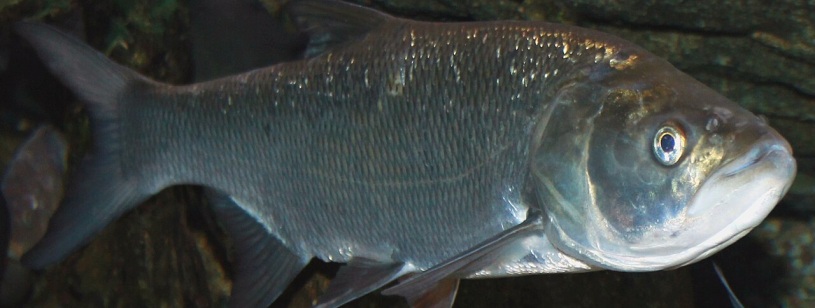
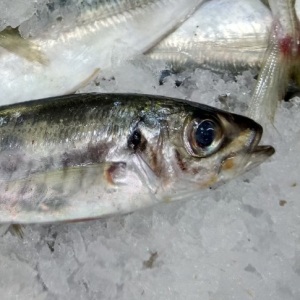
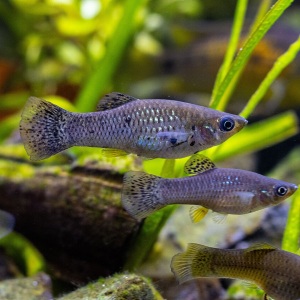
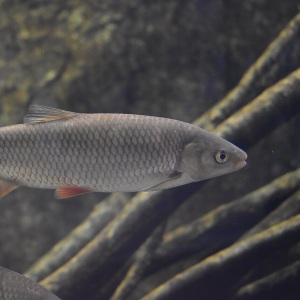
Asp (Leuciscus aspius) photographed in an aquarium. · Karelj / Public domain ().
The asp is an elongated silvery fish with a large mouth, hunting other fish in rivers and lakes. In Romania, a traditional nickname links it to bleak, one of its frequent prey species. Surface attacks can reveal its presence to observers. Young asp, however, feed differently from adults.
Quick facts
| Common name | Asp |
| Scientific name | Leuciscus aspius; synonym Aspius aspius |
| Diet | Carnivore; adults mainly eat fish |
| Conservation status | Least Concern (LC), global assessment 2022 |
| Distribution | Central and eastern Europe into western Asia |
| Habitat | Medium and large rivers, lakes and connected floodplain waters |
| Length | Usually a few tens of centimetres; typical sizes vary between populations |
| Family | Leuciscidae |
| Reproduction | Spring spawning, often on stony substrates |
| Activity | Mainly diurnal |
Interesting facts
- Bleak are among the small fishes frequently eaten by adults.
- Juveniles initially use plankton and invertebrates.
- Aspius aspius and Leuciscus aspius refer to the same species.
- Upstream movements can precede spawning.
Characteristics
The body is elongated and slightly flattened from side to side. A greenish or olive back contrasts with silver flanks and a paler belly. The tail is deeply forked.
A large terminal mouth points slightly upwards, suiting fish capture in open water and near the surface. Typical sizes differ between populations: Romanian guides often describe 30–40 cm fish, while broader accounts report larger usual sizes. Maximum measurements do not represent most individuals.
Behaviour
Asp are mainly active by day. Adults may hunt alone or in small groups, whereas juveniles tend to remain together.
Confluences, submerged structures and boundaries between flowing and quieter water offer feeding opportunities. Surface attacks are conspicuous but are not the only way prey is caught. Movements change with food availability, season and breeding rather than remaining fixed to one river location.
Habitat and distribution
The native range extends from central and eastern Europe towards western Asia. Romanian populations occupy the Danube, large lowland and hill-country rivers, and some lakes and floodplain waters.
Both flowing and quieter habitats are used. Connections between them allow access to resources and spawning areas. The Danube Delta illustrates this habitat mosaic, where neighbouring waters can serve different purposes.
Diet and feeding
Adults mainly eat small fish, including bleak. An elongated body supports pursuit in open water, and the broad mouth can capture prey quickly.
Early juveniles start with much smaller food such as zooplankton. Insects and fish become important as they grow. This change means that the species’ ecological role varies with age. A nickname linking asp to bleak does not imply an exclusive diet.
Reproduction and life cycle
Spawning occurs in spring, with regional differences in timing. Fish may move upstream, enter tributaries or use areas with firm substrates.
Eggs are laid on suitable surfaces, often gravel or stones; submerged vegetation can also be used in some habitats. Breeding maturity follows several years of growth. River continuity matters because feeding and spawning places are not always the same. Barriers can separate parts of the life cycle.
Name and history
Aspius aspius remains common in older guides and Romanian documents. FishBase currently uses Leuciscus aspius, within Leuciscidae.
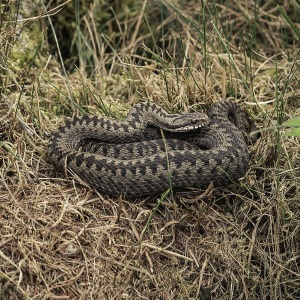
Regional Romanian names do not automatically identify separate species. In English, asp can also mean a snake, so the scientific name helps make the animal’s identity clear.
Conservation and threats
The global assessment is Least Concern. This does not remove the conservation needs of local populations.
River fragmentation, substrate degradation and altered flows can affect access to spawning habitat. Maintaining connections between channels and neighbouring waters supports different life stages. Asp conservation is therefore part of protecting the wider freshwater fish community.
Frequently asked questions
Why is asp associated with bleak?
Adults frequently hunt bleak and other small fish, inspiring a Romanian nickname.
Is it the same as Aspius aspius?
Yes. Leuciscus aspius is the current name used here; Aspius aspius occurs widely in older sources.
Do young asp immediately eat other fish?
No. They start with small food including zooplankton, and their diet changes as they grow.
Does asp live only in the Danube?
No. It also inhabits other suitable rivers, lakes and floodplain waters within its range.