True bugInteresting facts and information
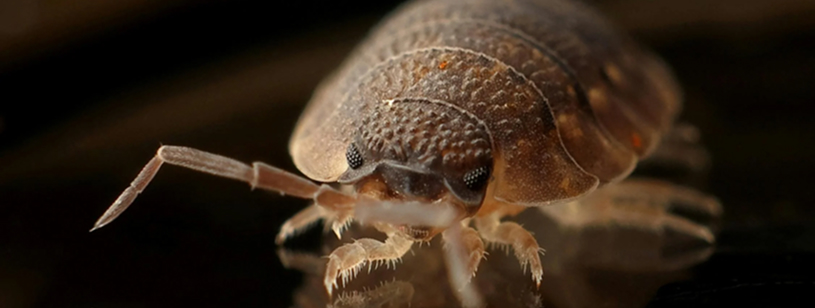
True bugs (Heteroptera) are insects within the order Hemiptera. They have piercing and sucking mouthparts. Different species feed on plants, other animals or blood; stink bugs and bed bugs are separate groups.
Some true bugs are well known as pests: bed bugs infest homes and hotels, and invasive species such as the brown marmorated stink bug damage crops. Many others, including predatory bugs and water bugs, are harmless or even useful.
Quick facts
| Common name | True bug |
| Scientific name | Heteroptera (within Hemiptera); includes Cimex and stink bugs |
| Typical lifespan | Several months to about a year as an adult, depending on species |
| Length | About 1 mm to over 10 cm; bed bugs about 4-7 mm, stink bugs about 10-15 mm |
| Weight | Usually a few milligrams to a fraction of a gram |
| Diet type | Varies: blood (bed bugs), plant sap and tissues (stink bugs), other insects (predatory bugs) |
| Main predators | Spiders, ants, birds, parasitic wasps |
| Conservation status | Assess separately by species and population; different taxa and regions have different needs |
| Distribution | Worldwide, in all climate zones, including towns and cities |
| Living environment | Homes, farmland, forests, meadows, fresh water |
- Primary category:Insects
- Explore this animal's categories:
Interesting facts
- Bed bugs can survive for months without feeding, hiding in cracks in furniture or walls.
- The brown marmorated stink bug, originally from East Asia, has become an invasive pest in North America and Europe, damaging fruit and vegetable crops.
- Many true bugs release a strong, unpleasant smell when disturbed, as a defence against predators.
- Bed bugs spread easily by hiding in luggage, clothes and second-hand furniture, which makes them hard to control.
- Bed bugs have lived alongside people for thousands of years; remains have been found at an ancient Egyptian site about 3,500 years old.
Records and remarkable features
- True bugs (Heteroptera) are insects within the order Hemiptera. They have piercing and sucking mouthparts. Different species feed on plants, other animals or blood; stink bugs and bed bugs are separate groups.
Physical characteristics and unique adaptations
True bugs are a large group of insects with about 40,000 known species. They all have a beak-like mouth for piercing and sucking, but their shape, size and way of life vary greatly. Some feed on blood, while many others feed on plants or other insects.
Essential physical adaptations
- Flat or shield-shaped bodies - Bed bugs are very flat and can hide in narrow cracks; stink bugs have a broad, shield-shaped body.
- A piercing-sucking beak - Used to pierce plants, prey or skin and suck up sap, body fluids or blood.
- Half-hardened wings - In most true bugs, the front part of each forewing is hard and the tip is thin and membranous; the name Heteroptera means "different wings".
- Scent glands - Many species release smelly chemicals to defend themselves against predators.
- Wings or no wings - Stink bugs fly well, while bed bugs have only tiny wing pads and cannot fly.
Differences between the main types of true bugs
| Category | Characteristics |
|---|---|
| Common bed bug (Cimex lectularius) | Small (about 4-7 mm), reddish-brown, wingless; feeds on blood |
| Southern green stink bug (Nezara viridula) | Green, about 12-15 mm; feeds on crops and other plants |
| Brown marmorated stink bug (Halyomorpha halys) | Mottled brown, about 15 mm, flies well; invasive crop pest |
Habits and behaviour
The behaviour of true bugs varies with the species. Bed bugs feed on sleeping people at night, while plant-feeding bugs are often active by day.
Life Mode
- Bed bugs come out at night to feed and find their hosts by following body heat and the carbon dioxide they breathe out.
- Stink bugs feed on leaves, fruits, seeds and stems, and some cause serious damage to crops.
- Many true bugs can survive long periods without food.
Defence behaviour
- Bad smells - When disturbed, many true bugs release a smelly liquid that deters predators.
- Hiding - Bed bugs hide in mattresses, furniture, cracks and behind wallpaper, which makes them hard to find.
- Surviving winter - Many species enter a resting state (diapause) in winter; brown marmorated stink bugs often spend the winter inside houses.
Habitat and geographic distribution
True bugs live all over the world, in homes, farmland, forests, meadows and even on water.
Population distribution
| Region | Estimated population | Favourite habitat |
|---|---|---|
| North America | Bed bugs and invasive stink bugs have increased in recent decades | Homes, farmland, orchards |
| Europe | Widespread; the brown marmorated stink bug has spread since the 2000s | Cities, farmland, gardens |
| Asia | Very many species; native home of the brown marmorated stink bug | Forests, farms, tropical areas |
| South America | Very many species | Forests, farmland, buildings |
| Africa | Very many species | Savannas, forests, farmland |
| Australia | Many species | Forests, gardens, farmland |
Habitats
- Homes and indoor spaces - Bed bugs live in beds, furniture, walls and carpets.
- Farmland and orchards - Green and brown marmorated stink bugs are serious pests of vegetables, cereals and fruit.
- Towns - Brown marmorated stink bugs often gather on buildings in autumn and enter houses to spend the winter.
- Water - Some true bugs, such as water striders and backswimmers, live on or in fresh water.
Impact of environmental change
- Warmer temperatures allow some true bugs to spread to new areas and breed faster.
- Travel and trade have helped bed bugs and invasive stink bugs spread around the world.
- Resistance to insecticides has made bed bugs harder to control since the late 1990s.
Diet and feeding
All true bugs have piercing-sucking mouthparts. Depending on the species, they feed on blood, plant sap and plant tissues, or on other animals. Bed bug bites can cause itching and skin irritation, while plant-feeding species can damage crops.
What do true bugs eat?
| Type of bug | Food type |
|---|---|
| Common bed bug (Cimex lectularius) | Blood of humans and some animals |
| Southern green stink bug (Nezara viridula) | Leaves, stems, seeds, fruits, vegetables |
| Brown marmorated stink bug (Halyomorpha halys) | Fruit, vegetables, maize, soybeans and many other plants |
| Predatory bugs (e.g. assassin bugs, pirate bugs) | Other insects and small invertebrates |
Method of feeding
- Bed bugs find their hosts by heat and carbon dioxide and usually feed at night for a few minutes.
- Plant-feeding bugs pierce leaves, stems, seeds and fruit and suck out the juices.
- Their feeding can damage plants, causing spots, deformed fruit and weaker crops.
Reproduction and life cycle
True bugs develop by incomplete metamorphosis: the young, called nymphs, look like small adults without wings and moult several times.
Breeding season
- Bed bugs mate through a process called "traumatic insemination," in which the male punctures the female's abdomen to introduce sperm.
- Green and brown marmorated stink bugs breed outdoors; females lay their eggs in neat clusters on the undersides of leaves.
Development steps
| Stage | Duration | Characteristics |
|---|---|---|
| Eggs | About 5-10 days in warm conditions | Laid in cracks and crevices (bed bugs) or on leaves (stink bugs) |
| Nymph | Several weeks | Passes through five stages before becoming an adult; bed bug nymphs need a blood meal at each stage |
| Adult | Several months to about a year | Feeds and reproduces |
Survival strategies
- Bed bugs hide in cracks and can survive for months without food.
- Brown marmorated stink bugs survive the winter in houses and other buildings.
- Fast breeding and many eggs make some true bugs hard to remove.
Name and history
Origin of name
- In English, the word "bug" was first used for the bed bug and later for insects in general; scientists use "true bugs" only for the Heteroptera.
- The name Hemiptera means "half wings", because of the half-hardened forewings of many species.
- In the scientific name Cimex lectularius, cimex is the Latin word for "bug" and lectularius refers to a bed or couch.
Taxonomic Classification
| Classification | Name |
|---|---|
| Kingdom | Animalia |
| Phylum | Arthropoda |
| Class | Insecta |
| Order | Hemiptera |
| Families (examples) | Cimicidae (bed bugs), Pentatomidae (stink bugs) |
Evolution and fossils
- True bugs are an ancient group; fossils of Heteroptera date back more than 200 million years.
- Bed bugs were already known in ancient Egypt, and Greek and Roman writers such as Aristotle and Pliny mentioned them.
- The common bed bug spread around the world with people, travelling in their homes, ships and luggage.
Cultural significance and mythology
Because bed bugs live in people's homes, true bugs have long been associated with poverty, dirt and discomfort, although bed bugs can be found in clean homes too.
True bugs in myths and symbolism
- A sign of poverty - For centuries, bed bug infestations were linked with crowded and poor living conditions.
- Ancient medicine - Roman writers such as Pliny described the use of bed bugs in folk remedies.
- A modern problem - Bed bugs became rare in many countries after the Second World War but returned from the late 1990s, partly because of resistance to insecticides.
True bugs in popular traditions
- Food - In Mexico, some stink bugs called jumiles are eaten, and in southern Africa certain stink bugs are a traditional snack.
- Pest control - Before modern insecticides, people tried to get rid of bed bugs with boiling water, heat and herbs.
Conservation status and threats
True bugs as a group are not threatened, although some rare species are. Several pest species have become a global problem because of travel, trade and insecticide resistance.
Main threats
- Warmer temperatures help some pest species, such as stink bugs, spread to new areas.
- Overuse of insecticides has led to bed bugs that are resistant to many chemicals, which makes them difficult to eradicate.
- International travel has spread bed bugs to hotels, homes and public transport.
Environmental benefits
Although some species are pests, true bugs play an important role in nature:
- They are food for birds, spiders and other predatory insects.
- Predatory bugs, such as minute pirate bugs, are used in biological control to eat crop pests like thrips and aphids.
Protection and control measures
- Controlling bed bugs at home with non-chemical methods such as vacuuming, steam, heat and freezing.
- Avoiding overuse of insecticides, which helps prevent resistance.
- Checking luggage and second-hand furniture to stop bed bugs spreading.
True bugs in popular culture
As unpleasant household pests, bed bugs often appear in literature, the news and popular sayings.
True bugs in literature
- "The Bedbug" (1929) - A satirical play by the Russian poet Vladimir Mayakovsky.
- "Good night, sleep tight, don't let the bedbugs bite!" - A well-known English bedtime rhyme.
True bugs in the news
- In 2023, reports of bed bugs in Paris, before the Olympic Games, made headlines around the world.
- Documentaries and news reports have described the return of bed bugs to cities in many countries.
True bugs as a symbol
- Discomfort and anxiety - Bed bugs are often used as a symbol of sleepless nights and worry.
- Invasion - Invasive stink bugs have become a symbol of how global trade can spread pests.