MolluscsInteresting facts and information
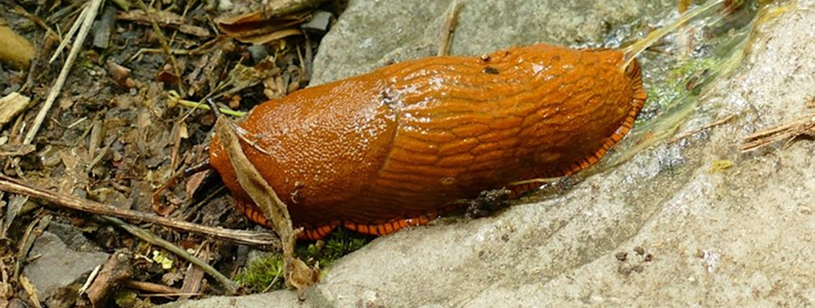
Molluscs (Mollusca) are a diverse group of invertebrates that includes snails, clams, mussels, cuttlefish, squid and octopuses. Many have shells, while others have reduced shells or no external shell.
Different molluscs live in the sea, in freshwater or on land. They have important ecological roles, and people also use some species for food or study them in research.
Quick facts
| Common name | Molluscs |
| Scientific name | Mollusca (phylum) |
| Typical lifespan | Varies greatly by species; some ocean quahogs can live for centuries |
| Size | From tiny snails to giant squid many metres long, including the tentacles |
| Weight | Varies enormously; colossal squid are among the heaviest molluscs |
| Diet type | Carnivorous, herbivorous, omnivorous, filter feeders |
| Main predators | Fish, seabirds, marine mammals, crabs, sea stars, humans |
| Conservation status | Some species are threatened or endangered |
| Habitat | Marine, freshwater and land |
| Distribution (Continents) | All continents, including Antarctica (in the oceans) |
- Primary category:Molluscs
- Explore this animal's categories:
Interesting facts
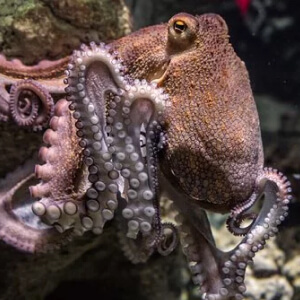
- Three hearts and blue blood - Octopuses have three hearts: two pump blood through the gills and the third pumps it around the body. Their blood is blue because it contains haemocyanin, a copper-based pigment.
- Long-lived molluscs – Ocean quahogs (Arctica islandica) can live for centuries; one individual, nicknamed "Ming", was about 507 years old.
- Clever invertebrates - Octopuses can solve problems, use objects as tools and learn by watching.
- Jet-powered - Squid swim by shooting water out of a funnel, and some can reach about 40 km/h in short bursts.
- Venomous snails – Cone snails (Conus) inject venom through a specialised tooth. Some can seriously harm people and should not be handled.
Records and remarkable features
- Large molluscs – Colossal squid (Mesonychoteuthis hamiltoni) are among the largest molluscs by mass; length and weight are different measures of size.
- Tiny molluscs – Some marine snails are less than a millimetre across.
- Large bivalves – Giant clams (Tridacna gigas) can be more than a metre across and weigh over 200 kg.
- Leaving the water – Some squid can propel themselves above the surface for short distances.
- Venom delivery – Geography cone snails (Conus geographus) can inject dangerous venom.
Physical characteristics and adaptations
Molluscs are one of the most varied groups of animals, with about 85,000 known living species of very different shapes and sizes. Despite this variety, they share some common features.
Body Structure
- A soft body, often protected by a shell - Most snails and clams have a shell made of calcium carbonate, while octopuses and slugs have no outer shell.
- A muscular foot - In snails and clams, the "foot" is used for crawling or digging, while in cephalopods (octopuses and squid) it has evolved into arms and tentacles.
- The mantle - A layer of tissue that produces the shell and, in many molluscs, encloses the gills.
- The radula - Most molluscs, except bivalves, have a radula, a ribbon covered in tiny teeth used to scrape or cut food.
Adaptations to different environments
- Breathing - Aquatic molluscs breathe with gills, while most land snails and slugs have a simple lung.
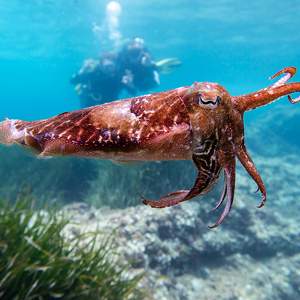
- Colour change - Octopuses, squid and cuttlefish use special skin cells called chromatophores to change colour almost instantly.
- Ink - Most cephalopods, and some sea snails such as sea hares, release ink to confuse predators.
- Filtering - Oysters and mussels filter large amounts of water, which helps keep seas and rivers clean.
Habits and behaviour
Molluscs behave in very different ways, depending on their habitat and way of life.
Life mode and daily routine
- Cephalopods are active hunters - Many octopuses and squid hunt at night, using their arms and suckers to catch prey.
- Bivalves stay in one place - Clams, mussels and oysters live attached to rocks or buried in sand and filter food from the water.
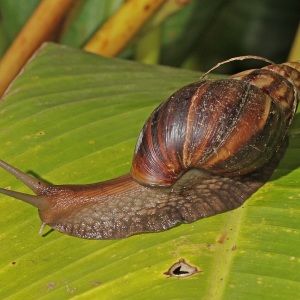
- Snails and slugs like damp weather - Land snails are most active at night and after rain, to avoid drying out.
- Flying squid - Some squid shoot out of the water and glide over the waves to escape predators.
Social behaviour and interactions
- Mostly solitary - Many snails and octopuses live alone.
- Squid schools - Many squid species swim in large groups.
- Octopus dens - Octopuses usually live alone in dens, although a few places where many octopuses live close together have been found.
- Reefs of shellfish - Mussels and oysters attach to each other and can form large reefs that protect coasts.
Defence strategies
- Camouflage - Cuttlefish and octopuses can change the colour and texture of their skin to hide.
- Ink - Many cephalopods release a cloud of ink to escape predators.
- Shells - Many snails and clams have thick, spiny or tightly closing shells.
- Cone-snail defence and hunting – A specialised tooth delivers venom; this is different from mucus being poisonous.
Habitat and geographic distribution
Molluscs live almost everywhere: in all the oceans, in fresh water and on land, from rainforests to deserts.
Geographic distribution
| Habitat | Species examples |
|---|---|
| Oceans | Squid, octopuses, scallops, sea snails |
| Fresh water | Pond snails (Lymnaea), river mussels (Unio) |
| Rainforests | Giant African land snails (Achatina achatina) |
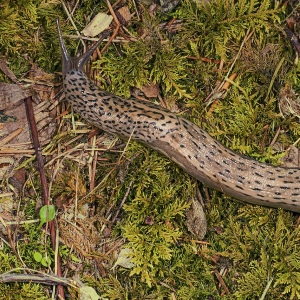
| Temperate areas | Garden snails (Cornu aspersum), Roman snails, slugs |
| Deserts | Desert snails (Sphincterochila), which can stay dormant for years |
Habitat pressures
- Water pollution - Chemicals and waste harm freshwater and marine molluscs.
- Overfishing - Some species, such as octopuses, abalones and oysters, are heavily harvested.
- Ocean acidification - Changes in seawater chemistry make it harder for molluscs to build shells.
- Introduced predators – Predatory land snails such as Euglandina rosea have harmed native snail populations in some regions.
Diet and feeding
Molluscs have very varied diets: some are herbivores, others predators, scavengers or filter feeders.
What do molluscs eat?
| Type of mollusc | Main diet |
|---|---|
| Land snails | Leaves, shoots, fungi, fruit, decaying plants |
| Bivalves | Plankton and organic particles filtered from the water |
| Octopuses and squid | Fish, crustaceans, other molluscs |
| Predatory snails | Worms, other molluscs, small animals |
| Cone snails | Fish, worms or other snails, paralysed with venom |
Feeding methods
- The radula - Snails and many other molluscs scrape food with their toothed radula.
- Filter feeding - Mussels and oysters pump water through their gills and trap food particles.
- Arms and tentacles - Octopuses and squid catch prey with their suckered arms and bite it with a parrot-like beak.
- Venom delivery – Cone snails use a modified, tooth-like structure to inject venom into prey.
Reproduction and life cycle
Molluscs reproduce in many different ways, from releasing eggs and sperm into the water to complex courtship.
Breeding modes
| Group | Reproduction type |
|---|---|
| Bivalves | Usually external fertilisation and planktonic larvae |
| Sea snails | Internal or external fertilisation |
| Land snails | Hermaphrodites, with mutual fertilisation |
| Cephalopods (octopuses, squid) | Courtship, internal fertilisation; young hatch as tiny versions of adults |
Reproductive behaviour
- Land snails are hermaphrodites - Each snail has both male and female organs; two snails exchange sperm, and both can lay eggs.
- Cephalopod courtship - Male squid and octopuses use a special arm to pass packets of sperm to the female.
- Planktonic larvae - Many bivalves release larvae that drift in the water before settling on the bottom.
- Octopus mothers - A female octopus guards her eggs until they hatch and then usually dies.
Longevity
- Some ocean quahogs (Arctica islandica) can live for centuries.
- Most octopuses live only about 1-2 years.
- Land snails can live from about one to more than 10 years.
Name and history
Origin of the name "Molluscs"
- The word "mollusc" comes from the Latin molluscus, meaning "soft", referring to their soft bodies.
Taxonomic classification
| Kingdom | Animalia |
|---|---|
| Phylum | Mollusca |
| Main classes | Gastropoda (snails and slugs), Bivalvia (clams, mussels, oysters), Cephalopoda (squid, octopuses), Polyplacophora (chitons) |
History and fossils
- Molluscs have an extensive fossil history reaching back to the early evolution of animals, more than 500 million years ago.
- Ammonites, extinct cephalopods with coiled shells, were common in ancient seas and died out about 66 million years ago.
- The mother-of-pearl (nacre) inside some shells is very tough, and scientists study it to design new materials.
Cultural significance and mythology
Shells, pearls and cephalopods have appeared in art and stories. Specific meanings differ between works and traditions.
Molluscs in mythology and folklore
- The Kraken – This is a legendary sea creature, often imagined in modern retellings as a giant squid or octopus.
- Purple dye – In ancient times, the Phoenicians made the precious Tyrian purple dye from murex sea snails; it became the colour of emperors.
- Shell money – Cowrie shells were used as money in parts of Africa and Asia for centuries.
Molluscs in cultural symbolism
| Culture | Meaning |
|---|---|
| Scandinavian folklore | The Kraken, a legendary sea monster |
| Ancient Rome and Renaissance art | The scallop shell linked with Venus (Aphrodite), as in Botticelli's "The Birth of Venus" |
| Christian pilgrimage | The scallop shell is the symbol of pilgrims to Santiago de Compostela |
| India and Mesoamerica | Conch shells used as trumpets in religious ceremonies |
Conservation status and threats
Molluscs are among the most abundant invertebrates, but they also include many threatened species; land snails and freshwater mussels have suffered many extinctions.
Main threats
- Overfishing - Some molluscs, such as abalones, octopuses and oysters, are heavily harvested.
- Ocean acidification - Rising carbon dioxide levels make it harder for molluscs to build shells.
- Water pollution - Chemicals and waste harm filter feeders such as mussels and oysters.
- Habitat destruction - Deforestation, dams and building affect land snails and freshwater species.
- Invasive species - Introduced predators have wiped out many island snails.
Threatened and problem species
| Species | Status |
|---|---|
| Margaritifera margaritifera (freshwater pearl mussel) | Endangered (IUCN) |
| Haliotis sorenseni (white abalone) | Critically Endangered (IUCN) |
| Lissachatina fulica (giant African land snail) | Invasive species in many countries |
Conservation efforts
- Marine reserves - Protected areas help shellfish and other molluscs.
- Fishing rules - Size limits and quotas protect species such as abalones and octopuses.
- Captive breeding - Programmes breed freshwater mussels, abalones and rare island snails for release into the wild.
In popular culture
Molluscs often appear in books, films and games, as monsters of the deep or as friendly characters.
Molluscs in movies and television
- "20,000 Leagues Under the Sea" - Jules Verne's 1870 novel and the 1954 Disney film include a famous fight with a giant squid.
- "Pirates of the Caribbean: Dead Man's Chest" (2006) - Davy Jones has a face covered in octopus-like tentacles.
- "Finding Dory" (2016) - Hank is a clever, grumpy octopus who has lost one arm.
- "SpongeBob SquarePants" - Squidward is an octopus, and SpongeBob's pet Gary is a sea snail.
Molluscs in literature
- "The Call of Cthulhu" (H. P. Lovecraft, 1928) - Cthulhu is a cosmic monster with an octopus-like head and tentacles.
Molluscs in video games and digital culture
- "Splatoon" (Nintendo) - The main characters, Inklings, are based on squid.
- "Super Mario" - Blooper, a white squid, is a classic enemy of Mario.
- "Animal Crossing" - Players can collect shells and catch octopuses, clams and other molluscs.