Ground squirrelInteresting facts and information
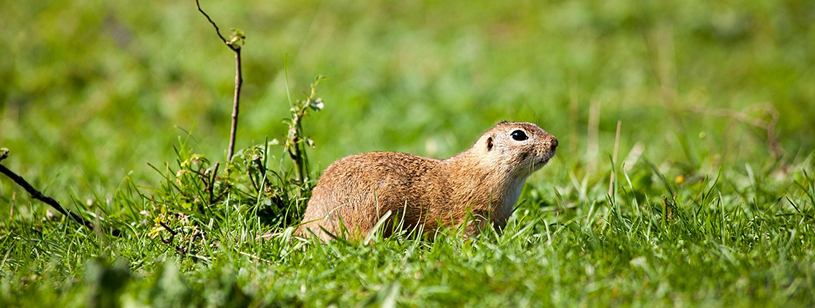
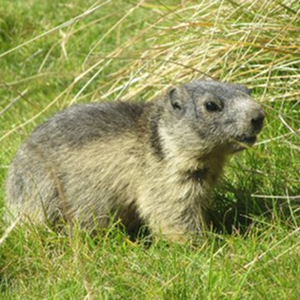
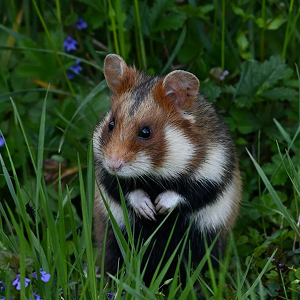
The European ground squirrel (Spermophilus citellus) is a rodent found in parts of central and southeastern Europe. It lives in burrows in open habitats and hibernates. It belongs to the squirrel family, not the hamster family.
Despite its small size, the European ground squirrel, also called the souslik, plays an important role in its ecosystem: it is prey for many predators, including rare birds of prey, and its digging helps the soil. However, its numbers are falling as grasslands are ploughed or abandoned.
Quick facts
| Common name | European ground squirrel |
| Scientific name | Spermophilus citellus |
| Typical lifespan | About 3-6 years in the wild, up to about 10 years in captivity |
| Maximum speed | Fast over short distances to its burrow |
| Height | About 7-8 cm at the shoulder; it often stands upright on its hind legs |
| Length | About 18-23 cm, plus a 4-7 cm tail |
| Weight | About 200-400 g |
| Diet type | Omnivore (mainly plants and seeds, plus insects) |
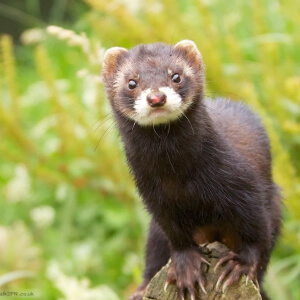
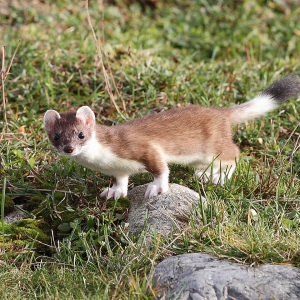
| Main predators | Saker falcons, eastern imperial eagles, buzzards, steppe polecats, foxes, weasels, snakes |
| Conservation status | Endangered (IUCN) |
| Distribution | Central and south-eastern Europe, from the Czech Republic and Austria to Romania, Bulgaria, Greece and European Turkey |
| Living environment | Steppes, dry grasslands, pastures and other short grassland |
Interesting facts
- Sleeping half the year - The European ground squirrel hibernates for up to about 6-7 months a year, from late summer or autumn until spring, slowing its heartbeat and lowering its body temperature.
- Alarm whistles - When a ground squirrel sees a predator, it gives a sharp whistle that warns the rest of the colony.
- Little need to drink - It gets most of the water it needs from the plants it eats.
- Burrow builders - Its burrows can have several entrances and go more than 1 m deep, protecting it from heat, cold and predators.
- Quick runners - It can dash quickly back to its burrow when danger appears.
- Standing guard - It often stands upright on its hind legs to look around for danger.
- Cheek pouches - Like hamsters, it has cheek pouches in which it can carry food.
Records and remarkable features
- The European ground squirrel (Spermophilus citellus) is a rodent found in parts of central and southeastern Europe. It lives in burrows in open habitats and hibernates. It belongs to the squirrel family, not the hamster family.
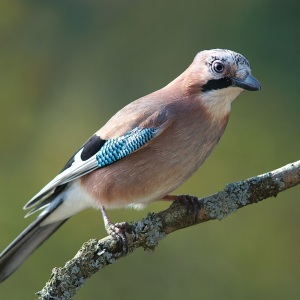
- Food for rare birds - The European ground squirrel is an important prey of the saker falcon and the eastern imperial eagle, two threatened birds of prey.
- Airport neighbours - Some of the largest colonies live in the short grass of airfields, golf courses and parks.
Physical characteristics and adaptations
The European ground squirrel, also called the souslik, is a small rodent with adaptations that help it survive in open grassland, where many predators hunt.
Essential physical adaptations
- A small, compact body - About 18-23 cm long, ideal for running and digging.
- Camouflaged fur - Its yellowish-grey to brownish fur blends in with dry grass and soil.
- Strong front legs - With short, sturdy claws for digging burrows.
- Cheek pouches - Used to carry food.
- Ever-growing teeth - Like all rodents, its front teeth grow all the time and are worn down by gnawing.
- A short tail - Unlike tree squirrels, it has a short, thin tail, only about 4-7 cm long.
- Large eyes high on the head - Give it a wide view, so it can quickly spot danger.
Habits and behaviour
European ground squirrels are active during the day, but always on the lookout for predators.
Way of life
- Colonies - They live in colonies, but each adult has its own burrow.
- Lookouts - They often sit or stand at the entrance of their burrow to watch for danger.
- Diggers - They dig burrows with tunnels and a nest chamber lined with dry grass.
- Hibernation - In the cold season, they hibernate in their burrows, lowering their body temperature and heart rate.
Social interactions
- Neighbours - Members of a colony recognise each other and communicate with whistles and calls.
- Living alone in a crowd - Although they live in colonies, adults usually feed alone and defend their own burrow.
- Mothers - Females raise their young alone.
Defence techniques
- Escape - At the first sign of danger, ground squirrels dash into their burrows.
- Warning calls - A sharp whistle tells the others to hide.
- Vigilance - Where there are many birds of prey, they spend more time watching and less time feeding.
Habitat and geographic distribution
The European ground squirrel lives in steppes, dry grasslands and pastures with short grass in central and south-eastern Europe.
Species distribution
| Region | Population information |
|---|---|
| Romania, Bulgaria, Serbia, North Macedonia, Greece, European Turkey | The main part of the range; many colonies have declined |
| Hungary, Slovakia, Czech Republic, Austria | Fragmented colonies, some supported by reintroductions |
| Moldova and south-western Ukraine | Small populations at the eastern edge of the range |
| Poland and Germany | Extinct; reintroduction projects have taken place in Poland |
Habitats
- Steppes and dry grasslands - Their ideal habitat, with plenty of food and a clear view to spot predators.
- Grazed pastures - Short grass kept low by sheep and cattle suits them well.
- Man-made grasslands - Airfields, golf courses, embankments and parks with short grass.
- Mountain pastures - In the Balkans, some colonies live in mountain meadows up to about 2,500 m.
Impact of climate change and land use
- Habitat loss - Ploughing grasslands and building on them destroys colonies.
- Abandoned pastures - When grazing stops, the grass grows tall and ground squirrels can no longer see predators, so they leave.
- Climate change - Changes in winter weather and drought can affect hibernation and food supplies.
Diet and feeding
The European ground squirrel eats mainly plants, but also some insects, depending on the season.
What does the European ground squirrel eat?
| Food type | Specific examples |
|---|---|
| Green plants | Grasses, clover, leaves and flowers |
| Seeds and grain | Grass seeds, wheat, maize, sunflower seeds |
| Roots and bulbs | Roots and underground parts of plants |
| Insects and other invertebrates | Grasshoppers, beetles, caterpillars |
| Occasionally | Birds' eggs |
Feeding methods
- Fattening up - Before hibernation, ground squirrels eat a lot and store fat in their bodies; they do not rely on large food stores.
- Feeding near home - They usually feed close to their burrow, so they can escape quickly.
- Gnawing - Their front teeth grow all the time and are worn down by tough food.
Reproduction and life cycle
European ground squirrels breed once a year, soon after waking up from hibernation.
Breeding season
- Mating takes place in spring, soon after the females come out of hibernation, usually in March or April.
- Males wake up first and compete for females.
- The breeding season is short and lasts only a few weeks.
Pregnancy and birth
| Characteristic | Details |
|---|---|
| Duration of pregnancy | About 25-26 days |
| Number of young per birth | Usually about 3-8 |
| Young at birth | Only a few grams, blind and naked |
| Nursing period | About 4-5 weeks |
Raising young
- The young are born blind and depend completely on their mother for the first weeks.
- At about four weeks old, they start coming out of the burrow and feeding on plants.
- Soon after, they become independent and dig their own burrows nearby.
Survival rate
- Many young die in their first year, from predators or during their first hibernation.
- Those that survive can live about 3-6 years in the wild.
Name and history
Origin of name
- The European ground squirrel is also called the European souslik, from the Russian word suslik. In Romanian it is called popândău.
- The genus name Spermophilus means "seed lover" in Greek. In North America, the word "gopher" is used for different animals, such as pocket gophers.
Taxonomic Classification
| Classification | Name |
|---|---|
| Kingdom | Animalia |
| Phylum | Chordata |
| Class | Mammalia |
| Order | Rodentia |
| Family | Sciuridae |
| Genus | Spermophilus |
| Species | Spermophilus citellus |
Evolution and history
- Ground squirrels belong to the squirrel family, together with tree squirrels, marmots, chipmunks and prairie dogs.
- During the Ice Ages, when Europe was covered by cold steppes, ground squirrels lived much farther west than today.
- Ground squirrels have long lived alongside farmers and shepherds, whose grazing animals kept the grass short.
Cultural significance and mythology
Although it is small, the European ground squirrel is a familiar animal of the steppes and pastures of south-eastern Europe.
The ground squirrel in folklore and tradition
- A sign of spring - In rural areas, the reappearance of ground squirrels after their long winter sleep is a sign that spring has arrived.
- The guard - Because it stands upright to watch for danger, the ground squirrel is a symbol of alertness.
- Many names - It has its own name in many languages, such as sysel in Czech, ürge in Hungarian and popândău in Romanian.
Modern symbolism
- A symbol of the steppe - Conservationists use the ground squirrel as a flagship species for protecting grasslands.
- Teamwork - Its colony life and warning calls make it a symbol of community.
- Popular with people - Its upright stance and alert expression make it a favourite with wildlife photographers.
Conservation status and threats
The European ground squirrel is listed as Endangered by the IUCN because its numbers have fallen sharply as grasslands have been ploughed or abandoned.
Conservation status
| Species | IUCN status | Population information |
|---|---|---|
| European ground squirrel (Spermophilus citellus) | Endangered | Declining; many colonies have disappeared |
| Speckled ground squirrel (Spermophilus suslicus) | Near Threatened | Declining in Eastern Europe |
Main threats
- Habitat loss - Natural grasslands are ploughed for crops, built over or planted with trees.
- Abandonment of grazing - Without grazing animals, the grass grows too tall for ground squirrels.
- Fragmentation - Small, isolated colonies can easily die out.
- Pesticides and persecution - In some areas, ground squirrels are poisoned or killed as crop pests.
- Climate change - Changes in rainfall and temperature may affect their food and hibernation.
Protection measures
- Protected areas - Important colonies are protected under European Union nature laws (Natura 2000).
- Grassland management - Encouraging grazing and mowing keeps the grass short.
- Translocations - In the Czech Republic, Slovakia, Hungary and Poland, ground squirrels have been moved to restore colonies.
- Research - Scientists monitor colonies to understand why they decline.
In popular culture
The European ground squirrel is a popular subject for nature photographers and conservation campaigns.
Film and documentaries
- Nature documentaries - European ground squirrels appear in documentaries about the grasslands of Central Europe and the birds of prey that hunt them.
Books and literature
- Children's books - Ground squirrels appear in picture books and stories about the countryside.
- Nature guides - Field guides to European mammals describe the species and its decline.
Mascots and symbols
- Conservation symbol - Projects to protect European grasslands often use the ground squirrel as their emblem.
- A famous relative - The viral "Dramatic Chipmunk" video actually shows a prairie dog, a relative of the ground squirrel.