Horse flyTabanidae — habitat, diet and reproduction
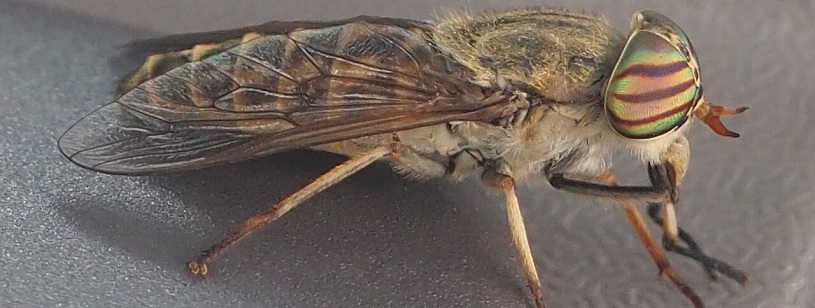
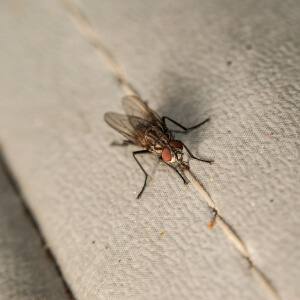
Tabanus bromius, a horse fly in the family Tabanidae. · Threecharlie / CC BY-SA 4.0 (https://creativecommons.org/licenses/by-sa/4.0). Cropped and resized.
Horse flies are robust flies with large eyes, sometimes shining with coloured bands. The name covers several species within Tabanidae. Females of many species take blood from animals, while males mainly feed at flowers. Larvae lead a very different life, concealed in moist habitats.
Quick facts
| Common name | Horse fly; several species |
| Scientific group | Family Tabanidae; photograph shows Tabanus bromius |
| Lifespan | Adults often live several weeks; the full cycle can take a year or longer |
| Diet | Varies by sex and stage: nectar, blood or small animals |
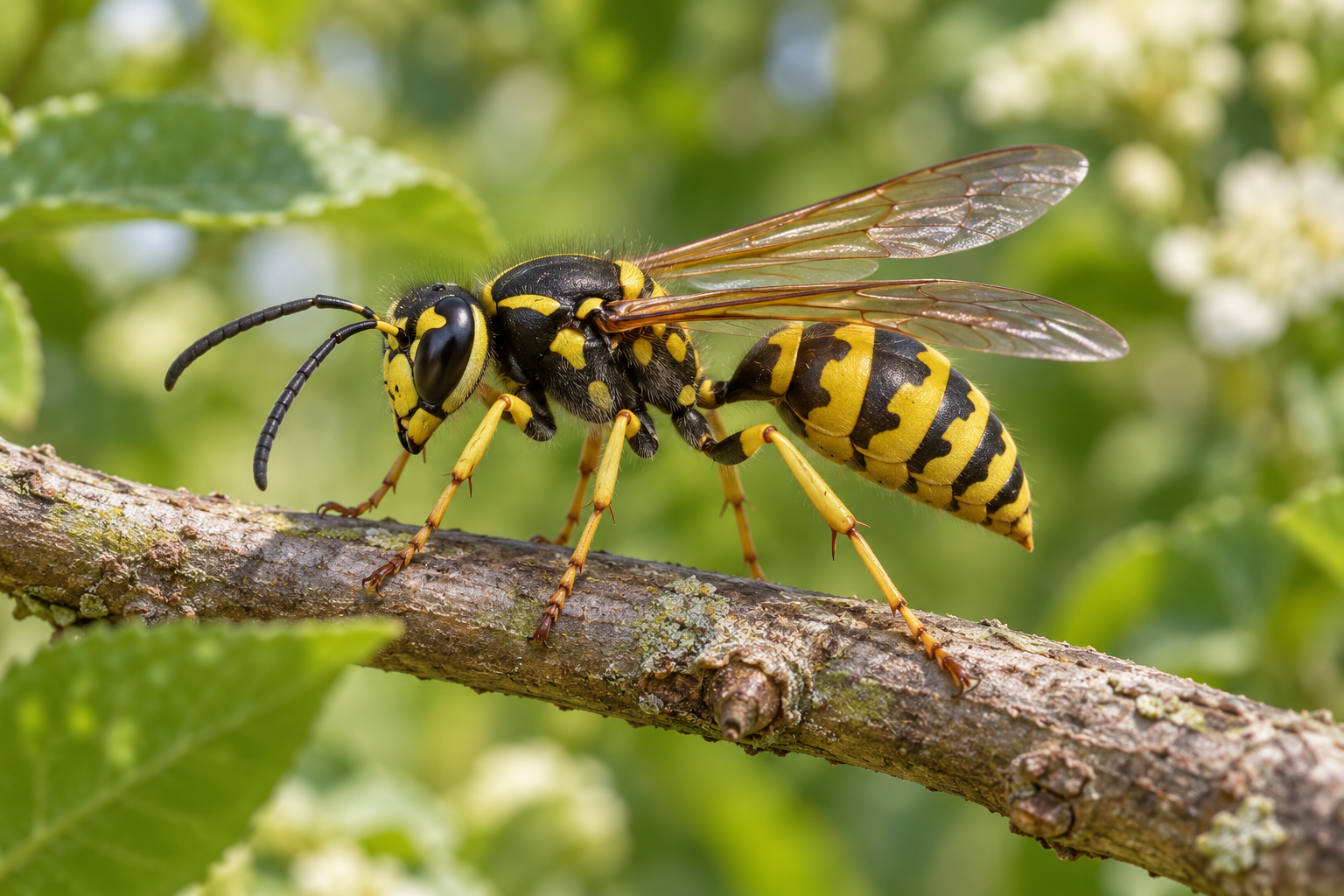
| Predators | Various birds and predatory insects, including wasps |
| Conservation status | Varies between species; no single family-wide category |
| Distribution | Many regions on nearly all continents |
| Habitat | Adults outdoors; larvae often in moist soil or near water |
| Length | Many horse fly species measure about 1–2.5 cm |
| Order | Diptera |
| Development | Egg, larva, pupa, adult |
- Primary category:Insects
- Explore this animal's categories:
Interesting facts
- Males do not take blood meals from animals.
- Eye bands can show vivid colours in the light.
- Many larvae hunt small animals in moist habitats.
- The adult stage accounts for only part of the life cycle.
Characteristics
Adults have robust bodies, relatively short antennae and one functional wing pair, as in other true flies. Large eyes occupy much of the head.
In many species, male eyes meet or nearly meet, while female eyes are separated. Body colour and wing markings vary between genera. The photograph shows Tabanus bromius, not a universal pattern for all horse flies. Wingless larvae look very different.
Behaviour
Horse flies are mainly active by day and are capable fliers. Movement, dark outlines, odours and carbon dioxide can help females locate hosts.
Females may return after being disturbed, making them persistent nuisances. Activity varies with species, temperature and weather. Males seek floral food and mates; seeing a large fly on a flower does not mean it is preparing to bite.
Habitat and distribution
Tabanidae occur in many world regions, including Romania. Adults use open land, pasture, woodland edges and areas near water.
Many larvae develop in damp soil, mud or water-associated habitats. Requirements differ between genera, and not all larvae remain submerged. Adults can travel away from their development sites, but the relationship with wet habitats remains important.
Diet and feeding
Males mainly use nectar and pollen. Females of many species take blood to support egg production and can also use sugar sources.
Female mouthparts make a small wound from which blood is taken, explaining the painful bite. This differs from a wasp sting. Tabanus larvae eat invertebrates such as insect larvae and worms. Larval diets vary across the family and should not be assumed to match those of adults.
Reproduction and life cycle
Females place egg masses on plants or other surfaces, often near damp areas. Hatchlings enter the habitat where they develop.
The larval stage may last many months and include winter. A pupa follows, then a winged adult. Metamorphosis changes both body form and lifestyle. Some species complete a cycle in a year, while others take longer; a short flying season is not the insect’s entire lifespan.
Name and history
Horse flies belong to Tabanidae within Diptera. Tabanus includes many of the familiar robust species.
English names such as horse fly and deer fly distinguish groups within the family, but do not imply that only horses or deer are used as hosts. Understanding the difference between males and females is especially important when describing their feeding.
Conservation and threats
Species differ in their conservation situations, so one category cannot describe the whole family.
Repeated biting can disturb livestock and affect feeding behaviour. In natural food webs, adult flies are also prey for birds and insects, while larvae interact with soil animals. Protecting people and livestock should be distinguished from destroying wet habitats that support many other invertebrates.
Frequently asked questions
Do all horse flies bite?
No. Males do not take blood; bites come from females of blood-feeding species.
Does a horse fly have a sting?
It has no wasp-like sting. The female makes the wound with its mouthparts.
Do larvae live on livestock?
They generally develop in moist habitats rather than on the hosts used by adults for blood meals.
Is horse fly one species?
No. The name covers multiple species within Tabanidae.