PeacockInteresting facts and information
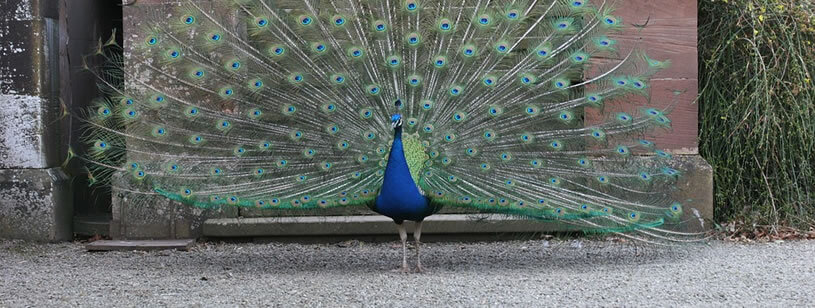
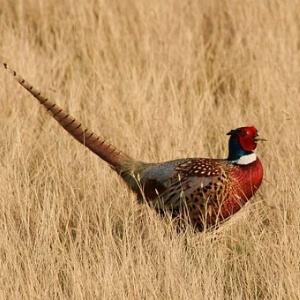
Peafowl are birds in the pheasant family. A male is called a peacock and a female a peahen. Males of Indian and green peafowl have elaborate display trains formed mainly by long upper tail-covering feathers.
Males are famous for their long, iridescent trains, which they raise and fan out during courtship to attract females. Although peafowl are large birds, they can fly short distances, run fast and roost high in trees at night to avoid predators.
Today, peafowl are popular in zoos, parks and gardens around the world, but in the wild some species, such as the green peafowl (Pavo muticus), are threatened by habitat loss and hunting.
Quick facts
| Common name | Peacock (male), peahen (female), peafowl |
| Scientific name | Pavo spp.; Afropavo congensis is the Congo peafowl |
| Typical lifespan | About 15-20 years in the wild, sometimes more in captivity |
| Maximum speed | Fast runners over short distances; strong but short flights |
| Height | About 1 m (without train) |
| Length | Males about 1.8-2.3 m (including train); females about 1 m |
| Weight | About 4-6 kg (males), 2.5-4 kg (females) |
| Diet type | Omnivore (seeds, fruit, insects, small reptiles) |
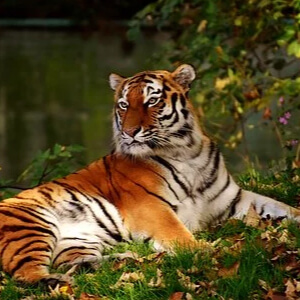
| Main predators | Tigers, leopards, jungle cats, mongooses, dogs; birds of prey take chicks; people (poaching) |
| Conservation status | Indian peafowl Least Concern; Congo peafowl Vulnerable; green peafowl Endangered (IUCN) |
| Geographical distribution | India, Sri Lanka, Southeast Asia, Central Africa (Congo peafowl) |
| Social behaviour | Lives in small groups; males display at breeding grounds called leks |
| Special adaptations | Spectacular train in males, loud calls for communication and warning |
Interesting facts
- Peacock feathers contain no blue or green pigment - Their dazzling colours are created by tiny structures in the feathers that reflect light, a phenomenon called iridescence.
- Peacocks are very loud - Their piercing calls can be heard from far away and are used to communicate and to warn of danger.
- Males shed their trains every year - After the breeding season, peacocks moult their long train feathers, which grow back over the following months.
- Females choose their mates - Peahens pay attention to the males' displays and trains, although scientists still debate exactly which features matter most.
- Peacocks can be territorial and aggressive - In the breeding season, males may attack rivals and even their own reflection in windows or car doors.
- A national symbol - The Indian peafowl is the national bird of India, and in Hindu tradition the god Kartikeya rides a peacock.
- There are also white peacocks - They are not albinos; they have a genetic condition called leucism, which removes the colour from their feathers but not from their eyes.
Records and remarkable features
- Peafowl are birds in the pheasant family. A male is called a peacock and a female a peahen. Males of Indian and green peafowl have elaborate display trains formed mainly by long upper tail-covering feathers.
- A male Indian peafowl's train has about 200 feathers, many of them ending in an "eyespot", and can be about 1.5 m long.
- Peafowl are among the largest birds of the pheasant family, and the green peafowl is the longest.
Characteristics
The peacock is one of the best-known birds in the world, thanks to its spectacular feathers and its famous display. Males are famous for their iridescent trains, while the less colourful females play the key role in choosing mates.
Appearance
- Large size - Males can be up to about 2.3 metres long, including the train, while females are smaller, about 1 metre long.
- The male's train - Made of about 200 long feathers with "eyespots", it is raised and fanned out to impress females.
- Iridescent feathers - Their brilliant colours do not come from pigments but from the tiny structure of the feathers, which reflects light differently from different angles.
- Plainer females - Peahens are mostly brown and grey, which helps them stay hidden while sitting on their eggs.
- Strong legs with spurs - Males have sharp spurs on their legs, which they use in fights.
- A crest on the head - Both sexes have a fan-shaped crest.
Special adaptations
- A train to attract females - Its size and brilliance may show how healthy and strong a male is.
- Loud calls - Used to communicate and to warn of predators.
- Short but strong flight - Peafowl prefer to run, but they can fly up into trees in short bursts to escape predators.
- Territorial behaviour - In the breeding season, males defend display areas and drive away rivals.
Habits and behaviour
Peafowl live in small groups. In the breeding season, males gather at display grounds called leks, where females come to choose a mate. Peafowl are active by day and spend most of their time on the ground, feeding and displaying.
Social behaviour
- Males are territorial - Each defends a small display area and tries to attract as many females as possible.
- Females are less showy - They move around in small groups and choose their mates after watching the males' displays.
- Communication by sound and display - Peafowl use loud calls, postures and dances to communicate.
- Sleeping in trees - Although they feed on the ground, they roost high in trees at night to stay safe from predators.
Defence techniques
- Running first - Peafowl are fast runners and fly up into trees when danger is close.
- Looking bigger - Males may raise their feathers to appear larger.
- Alarm calls - Their loud cries warn other birds and animals, such as deer, that a predator, such as a tiger or leopard, is nearby.
Interaction with people
- Sacred birds - In India and other countries, peafowl are protected and honoured.
- Ornamental birds - They are kept in zoos, parks and gardens all over the world for their beauty.
- Sometimes aggressive - Males may attack mirrors, cars or even people if they feel their territory is threatened.
Habitat and geographic distribution
Peafowl live in forests, open woodland and farmland, where they find food and safe places to roost.
| Region | Species | Preferred habitat |
|---|---|---|
| India and Sri Lanka | Pavo cristatus (Indian peafowl) | Dry and moist forests, farmland, villages |
| Southeast Asia | Pavo muticus (green peafowl) | Open forests, grasslands near water |
| Central Africa | Afropavo congensis (Congo peafowl) | Dense lowland rainforest |
Types of habitat
- Forests - Peafowl like forests with clearings, streams and plenty of cover.
- Open woodland and farmland - The Indian peafowl also lives in drier areas and near villages.
- Hills - Some populations live in hilly areas up to around 2,000 metres.
Human impact and threats
- Deforestation - Habitat loss affects mainly the green peafowl and the Congo peafowl.
- Poaching and illegal trade - Some species are hunted for their feathers or meat, and their eggs are collected.
- Living near people - The Indian peafowl has adapted well to farmland, parks and gardens.
Diet and feeding
Peafowl are omnivores that eat seeds, fruit and other plant parts, as well as insects, small reptiles and other small animals. Their diet changes with the season and habitat, which helps them live in many different environments.
What do peafowl eat?
Peafowl eat a wide range of foods.
| Type of food | Examples |
|---|---|
| Fruit and seeds | Berries, figs, grains, seeds |
| Insects and other invertebrates | Crickets, grasshoppers, termites, ants, snails |
| Small reptiles and amphibians | Lizards, small snakes, small frogs |
| Flowers and leaves | Flower petals, buds, young leaves |
| Food from people | Grain and scraps (in villages and parks) |
Feeding techniques
- Pecking - Peafowl search for food on the ground and peck up seeds and insects with their strong beaks.
- Scratching - They scratch the soil to find larvae and other hidden food.
- Hunting small animals - In the wild, they catch lizards and small snakes.
- Eating plants - They also eat flowers, buds and leaves.
Adapting to the food supply
- Seasonal changes - In dry periods, they eat more seeds and plant food.
- Living on farmland - They often feed on crops such as grain and groundnuts, which can bring them into conflict with farmers.
- Snake-eaters - Peafowl are known to kill and eat small snakes, including young cobras.
Reproduction and life cycle
Peafowl are polygamous: a male may mate with several females. Females choose their mates by watching the males' displays.
| Feature | Details |
|---|---|
| Age at maturity | About 2-3 years (males get their full train at about 3 years) |
| Breeding season | Varies; in India mainly linked to the rainy season |
| Type of reproduction | Egg-laying |
| Eggs per nest | Usually 3-8 |
| Incubation period | About 28-30 days |
| Time with the mother | Several months |
| Lifespan | About 15-20 years in the wild, sometimes more in captivity |
Breeding process
- Courtship display - The male fans out his train, turns to show it off and makes the feathers shiver with a rattling sound.
- Choosing a mate - The female watches several males before choosing one.
- Laying eggs - The female makes a nest on the ground, hidden in grass or bushes, and incubates the eggs alone.
- Caring for the chicks - The chicks hatch covered in down and can walk and feed themselves almost immediately, following their mother.
Survival strategies
- The female's camouflage - Her plain colours help her stay hidden while she sits on the eggs.
- Quick chicks - Within a few days, the chicks can run and hide, and they can fly up into low branches at about a week old.
- Warning calls - Adults call loudly to warn the chicks and other animals when a predator is near.
Name and history
In many cultures, the peacock has been seen as a royal and sacred bird, linked with power, immortality and beauty.
Origin of the name
- The English word "peacock" comes from Old English pēa, from the Latin pavo, plus "cock", meaning a male bird; the female is a "peahen" and both together are "peafowl".
- The scientific name Pavo is the Latin name for the peacock; in ancient Greek it was called taos.
The peacock in human history
- In ancient Rome, peacocks were kept as status symbols and served at grand banquets.
- In ancient India, peacocks were honoured as sacred birds, linked with gods such as Kartikeya.
- In Greek mythology, the peacock was the sacred bird of the goddess Hera.
- In the Middle Ages, peacocks were kept at royal courts in Europe and were sometimes roasted and served dressed again in their own feathers at feasts.
Peacocks in folklore
- A symbol of protection - In many cultures, the "eyes" on peacock feathers are believed to protect against evil.
- A sign of good fortune - In China, the peacock is a symbol of beauty, dignity and good luck.
- An old superstition - In Britain, some people believed that keeping peacock feathers in the house, or using them in a theatre, brings bad luck.
Cultural significance and mythology
In many cultures, the peacock is a symbol of beauty, royalty and immortality. It appears in myths, religions and traditions around the world and is linked with gods, kings and spiritual beliefs.
Peacocks in mythology and religion
- Greek mythology - The peacock was the sacred bird of Hera, wife of Zeus. According to legend, after the hundred-eyed giant Argus was killed, Hera placed his eyes on the peacock's tail.
- Hinduism - In India, the peacock is the mount of the war god Kartikeya, and Krishna is often shown wearing a peacock feather in his hair.
- Buddhism - The peacock is a symbol of compassion, because it was believed that it could eat poisonous plants and snakes unharmed, just as wisdom can transform suffering.
- Christianity - In the Middle Ages, the peacock was a symbol of eternal life and resurrection, because people believed that its flesh never decayed.
- The Yazidis - The Yazidi religion honours Melek Taus, the "Peacock Angel".
- China - In the Qing dynasty, peacock feathers were awarded to officials as a mark of rank and honour.
Peacocks in folklore
- The Peacock Throne - The magnificent jewelled throne of the Mughal emperor Shah Jahan, made in the 17th century, was decorated with peacocks.
- Bad luck in theatres - In Britain, peacock feathers were long considered unlucky on stage.
- "Proud as a peacock" - This English saying describes someone who is vain or very proud of themselves.
Conservation status and threats
Although the Indian peafowl (Pavo cristatus) is still widespread and protected, the other two species are threatened by deforestation, hunting and illegal trade.
| IUCN status | Species | Regions |
|---|---|---|
| Least Concern (LC) | Pavo cristatus (Indian peafowl) | India, Sri Lanka |
| Vulnerable (VU) | Afropavo congensis (Congo peafowl) | Democratic Republic of the Congo |
| Endangered (EN) | Pavo muticus (green peafowl) | Southeast Asia |
Main threats
- Habitat loss - Deforestation in Southeast Asia and Central Africa affects the green peafowl and the Congo peafowl.
- Hunting for feathers and meat - In some regions, peafowl are hunted for their feathers or for food, and their eggs are collected.
- Illegal trade - Peafowl are sold as exotic birds, even though some species are protected by international laws.
- Poisoning - Peafowl that feed on crops are sometimes poisoned by farmers or by pesticides.
Conservation efforts
- Protecting forests - Many countries are working to stop deforestation and protect natural habitats.
- Strict laws - In India, the peacock is protected by law, and hunting it is forbidden.
- Captive breeding - Green peafowl are bred in captivity, and protected areas help wild populations recover.
In popular culture
Because of its spectacular looks and strong symbolism, the peacock often appears in art, literature, films and advertising.
Literature and fables
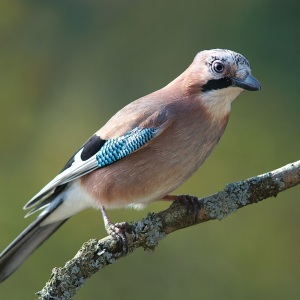
- Aesop's fables - In "The Jay and the Peacock", a jay dresses up in peacock feathers but is driven away by both peacocks and jays, a lesson against pretending to be someone else.
- Flannery O'Connor - The American writer kept dozens of peafowl and wrote about them in her famous essay "The King of the Birds" (1961).
- Persian art and poetry - The peacock is a common symbol of beauty and paradise.
Films and cartoons
- Kung Fu Panda 2 (2011) - Lord Shen, the main villain, is a white peacock, elegant and dangerous.
Video games
- Animal Crossing - Pavé, a dancing peacock, leads the Festivale celebration.
The peacock as a symbol
- Logos - The American television network NBC has used a colourful peacock in its logo since the 1950s, and its streaming service is called Peacock.
- Fashion and design - Peacock patterns and colours are popular in fashion, interior design and jewellery.
- Art - The famous "Peacock Room" by James McNeill Whistler, painted in the 1870s, is now in a museum in Washington, D.C.