Common silverfishLepisma saccharinum — habitat, diet and reproduction
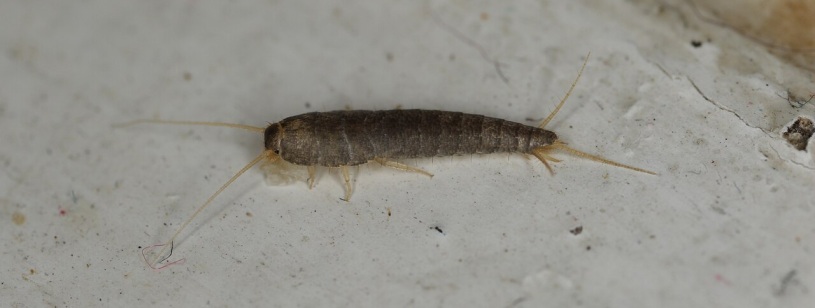
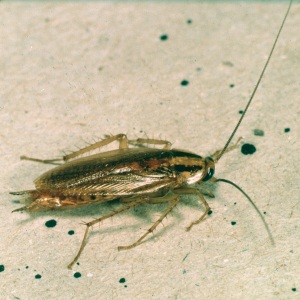
Common silverfish (Lepisma saccharinum, also called L. saccharina in older sources). · Donald Hobern from Copenhagen, Denmark / CC BY 2.0 (https://creativecommons.org/licenses/by/2.0). Cropped and resized.
The common silverfish is a small wingless insect that runs towards darkness when disturbed. Its tapered shape and shiny scales explain the name, although it is unrelated to fish. Indoors it seeks damp hiding places and foods such as starch, bookbinding paste and food debris. Three long filaments project from the abdomen.
Quick facts
| Common name | Common silverfish |
| Scientific name | Lepisma saccharinum; Lepisma saccharina in older sources |
| Lifespan | Around 2–4 years, depending on conditions |
| Diet | Omnivore, using organic debris and starch-rich materials |
| Conservation context | Widespread species often associated with buildings |
| Distribution | Reported from many world regions, mainly in buildings |
| Habitat | Damp dark spaces; locally also natural habitats |
| Body length | Usually 7–10 mm, excluding antennae and terminal filaments |
| Family | Lepismatidae |
| Order | Zygentoma |
| Wings | Absent throughout life |
Interesting facts
- Fine scales create the silvery appearance.
- It has six legs, like other insects.
- Moulting continues after maturity.
- Three rear filaments are separate from the two head antennae.
Characteristics
The flattened body narrows towards the rear. Slender antennae and three terminal filaments frame an insect covered in silver, grey or darker scales.
Very young individuals are paler and initially lack the adults’ shiny appearance. Winglessness is normal throughout life. Several indoor species look similar; reliable identification may require microscopic examination, especially when separating Lepisma from Ctenolepisma.
Behaviour
Activity is mainly nocturnal. Cracks and spaces beneath objects provide daytime shelter, and the flattened body fits narrow gaps.
A disturbed insect runs towards cover. Its wriggling movement helps explain the fish-like name, but it walks on legs. Individuals sometimes fall into baths or sinks and cannot climb the smooth sides; finding one there does not show that it came through the drain.
Habitat and distribution
Silverfish have been reported in many world regions, mainly alongside people. Some populations also occur naturally beneath stones, bark or plant debris.
Bathrooms, basements and areas affected by moisture suit common silverfish. Related indoor species do not all have the same requirements: some tolerate drier rooms. Their hidden lifestyle allows small populations to remain unnoticed for long periods.
Diet and feeding
Food includes organic debris and materials containing starch or other nutrients. Flour, dry food, bookbinding paste and certain papers can provide resources.
Dead insects and other remains may also be eaten, so paper is not the only food. Damage can appear as scraped areas, irregular edges or holes. Even small losses matter when the material is a historic book or archive document.
Reproduction and life cycle
Females lay eggs in concealed places. Young insects resemble smaller, paler adults; there is no pupal stage like that of beetles or butterflies.
Repeated moults allow growth and continue in adulthood. Temperature and humidity strongly affect development. Mating involves a sperm packet left by the male. A lifespan of several years is long compared with that of many familiar adult insects.
Name and history
Modern taxonomic revisions use Lepisma saccharinum. The form Lepisma saccharina remains widespread in older guides and photographic archives.
The common name describes appearance rather than ancestry. This insect belongs to Zygentoma and Lepismatidae, not to any fish group. Scientific identification helps avoid confusion caused by descriptive everyday names.
Conservation and threats
In homes and museums, attention focuses on preventing damage to materials. The species is widespread, and its effects on stored materials are better known than the role of wild populations.
Reducing excess moisture, repairing leaks and storing vulnerable materials carefully limit favourable conditions. Identifying the species matters because its relatives may differ in their needs. Common silverfish demonstrate how small arthropods can find food and shelter within human buildings.
Frequently asked questions
Is a silverfish a fish?
No. It is a terrestrial wingless insect with six legs.
Can it fly?
No. Neither juveniles nor adults have wings.
Why does it appear in bathrooms?
Moisture and hiding places can suit it; some individuals fall into baths and cannot climb out.
Does it eat only paper?
No. It uses various organic remains and materials containing starch or other nutrients.