SwanInteresting facts and information
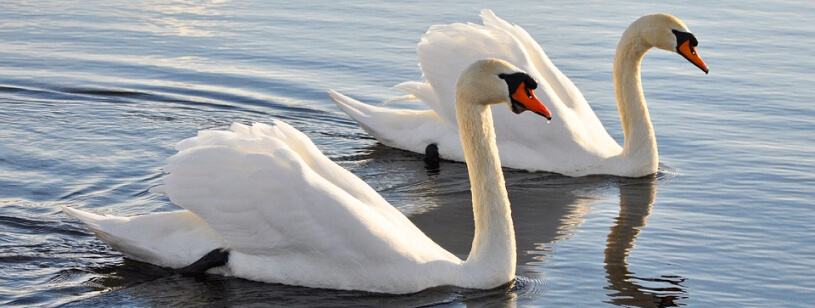
Swans (Cygnus) are large waterbirds related to geese and ducks. They feed on aquatic vegetation and other available foods. Plumage, distribution and migration differ between species.
These birds live on lakes, rivers and wetlands around the world and are often symbols of beauty, elegance and loyalty. Well-known swan species include the mute swan (Cygnus olor), trumpeter swan (Cygnus buccinator) and black swan (Cygnus atratus). Swans have featured in mythology, literature and art, and face threats including climate change, habitat loss and pollution.
Quick facts
| Common name | Swan |
| Scientific name | Cygnus spp. |
| Typical lifespan | Usually 10-20 years in the wild; up to about 30 years or more in captivity |
| Maximum speed | Usually 30-50 km/h in flight; up to about 80-95 km/h |
| Height | About 1-1.6 m (standing, neck stretched) |
| Length | About 1-1.8 m |
| Wingspan | About 1.6-2.5 m or more |
| Weight | About 4-13 kg, depending on species |
| Diet type | Herbivore (mainly water plants and grass) |
| Main predators | Foxes, wolves, raccoons and mink (eggs and cygnets); people |
| Conservation status | Assess separately by species and population; different taxa and regions have different needs |
| Geographic distribution | North America, Europe, Asia, Australia, South America; introduced in New Zealand and elsewhere |
| Social behaviour | Usually pairs for life; some live in flocks outside the breeding season |
| Special adaptations | Long neck for feeding underwater, waterproof plumage, powerful flight |
- Primary category:Birds
- Explore this animal's categories:
Interesting facts
- Long-lasting pairs - Most swans pair for life and stay together all year; "divorce" happens, but rarely, and a swan whose partner dies often finds a new mate.
- Devoted parents - Swans protect and guide their young for months, and mute swan cygnets often ride on their parents' backs.
- Among the heaviest flying birds - Large male mute and trumpeter swans can weigh more than 12 kg, with wingspans of up to about 2.5 m or more.
- The black swan surprise - Europeans long believed that all swans were white, until Dutch explorers saw black swans in Western Australia in the 17th century.
- Fierce defenders - Swans can be very aggressive near their nests and will hiss, flap and attack people or animals that come too close.
- Long migrations - Tundra swans travel thousands of kilometres between their Arctic breeding grounds and their wintering areas.
- Waterproof feathers - Oil from a gland near the tail keeps swans' feathers waterproof, and they have about 25,000 feathers.
Records and remarkable features
- Swans (Cygnus) are large waterbirds related to geese and ducks. They feed on aquatic vegetation and other available foods. Plumage, distribution and migration differ between species.
- The largest waterfowl - Swans are the largest members of the duck and goose family; the trumpeter swan is the largest waterbird native to North America.
- A royal bird - In the United Kingdom, the monarch has the right to all unmarked mute swans on open waters, and swans on the Thames are counted every year in the "Swan Upping" ceremony.
- Back from the brink - Trumpeter swans had almost disappeared from the United States by the 1930s; thanks to protection, there are now tens of thousands.
Characteristics
Swans are large, elegant waterbirds with long necks, heavy bodies and dense, waterproof plumage. Despite their size, they are strong flyers, and many fly long distances on migration.
Physical aspect
- Impressive size - Swans are about 1-1.8 m long, with wingspans of up to about 2.5 m or more.
- A long, flexible neck - Lets them reach plants deep under the water.
- Waterproof plumage - Oil from a special gland keeps their feathers dry and warm.
- Different bills - Swan species can be told apart by their bills: the mute swan has an orange bill with a black knob at the base, while the trumpeter swan's bill is all black.
- Webbed feet - Help them swim powerfully and run along the water when taking off.
Special adaptations
- Powerful flight - Strong wing muscles let swans fly long distances at high speed.
- Loud calls - Trumpeter and whooper swans are named after their loud, trumpeting calls.
- Living in the cold - Some swans breed in the Arctic and spend the winter on partly frozen lakes and coasts.
Habits and behaviour
Swans are intelligent birds with strong bonds between partners and devoted care for their young.
Social Behaviour and Reproduction
- Pairs for life - Most swans stay with the same partner for many years, building the nest and raising the young together.
- Devoted parents - Both parents guard the eggs and cygnets; in some species, the young ride on their parents' backs.
- Courtship displays - In courtship, mute swans swim side by side, dip their heads and face each other, their curved necks forming a heart shape.
Territorial and Defence
- Defending the territory - Nesting swans can be very aggressive and will attack intruders, including people.
- Threat displays - Mute swans raise their wings over their backs ("busking") and hiss to look bigger and frighten intruders.
Movement and communication
- Swimming - Swans swim smoothly and quickly using their large webbed feet.
- Fast flight - Swans usually fly at about 30-50 km/h and can reach about 80 km/h or more; the mute swan's wings make a loud, throbbing sound in flight.
- Calls - Depending on the species, swans trumpet, whoop, honk, snort or hiss to warn of danger, keep the family together or court partners.
Habitat and geographic distribution
Swans live on lakes, rivers, marshes, estuaries and coastal lagoons. Some species stay in the same area all year, while others migrate long distances to avoid harsh winters.
| Region | Species Present | Population information |
|---|---|---|
| Europe | Mute swan (Cygnus olor), whooper swan (Cygnus cygnus), Bewick's swan | Mostly stable; Bewick's swans have declined |
| North America | Trumpeter swan (Cygnus buccinator), tundra swan (Cygnus columbianus) | Trumpeter swans have recovered thanks to protection |
| Asia | Whooper swan, tundra swan, mute swan | Affected by wetland loss and pollution |
| Australia | Black swan (Cygnus atratus) | Common; also introduced in New Zealand |
| South America | Black-necked swan (Cygnus melancoryphus) | Common in wetlands of the south |
Types of Habitat
- Lakes and slow rivers - The most common places for swans, rich in water plants.
- Marshes and wetlands - Provide food and safe places to nest.
- Lagoons and estuaries - Many swans spend the winter on coasts, feeding in shallow water.
Migration and Adaptation to Climate
- Migratory species - Tundra swans, whooper swans and many trumpeter swans migrate between their northern breeding grounds and southern wintering areas.
- Resident species - Mute swans in western Europe and black swans in Australia usually stay in the same area all year.
Human Impact and Threats
- Habitat destruction - Draining wetlands and pollution reduce swans' food.
- Hunting - In the past, swans were hunted heavily for meat and feathers; today they are protected in many countries.
- Climate change - May affect migration routes and food supplies.
Diet and feeding
Swans are mainly herbivores. They eat mostly water plants, algae and grass, but sometimes also small animals.
| Type of swan | Main Diet |
|---|---|
| Mute swan (Cygnus olor) | Water plants, algae, grass, grain |
| Trumpeter swan (Cygnus buccinator) | Underwater plants, roots and tubers, grass |
| Tundra swan (Cygnus columbianus) | Water plants, grain, grass |
| Black swan (Cygnus atratus) | Algae, water weeds, grass |
| Whooper swan (Cygnus cygnus) | Underwater plants, grass, potatoes and grain from fields |
Feeding techniques
- Upending - Swans dip their long necks underwater, often tipping their bodies tail-up, to pull up plants and roots.
- Grazing on land - In winter, many swans graze on grass and eat leftover grain and potatoes in fields.
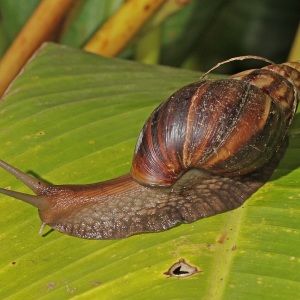
- Small animals - They occasionally eat insects, snails and other small animals attached to plants.
Reproduction and life cycle
Swans are famous for their faithful pairs. They breed once a year, and both parents protect the eggs and young.
| Characteristic | Details |
|---|---|
| Breeding season | Spring in the Northern Hemisphere (about March-May); varies in the south |
| Nest site | On lake shores, in marshes or on small islands |
| Eggs | Usually about 4-7 eggs, depending on the species |
| Incubation | About 32-40 days |
| The role of the male | Guards the territory and helps raise the young |
| Young become independent | Fly at about 3-5 months; often stay with their parents through their first winter |
| Sexual maturity | About 3-4 years |
| Longevity | Usually about 10-20 years in the wild; up to about 30 years or more in captivity |
Nesting
- Building the nest - The nest is a huge mound of reeds, grass and other plants, built close to the water.
- Incubation - In most species, the female incubates the eggs while the male guards the nest (in black swans, both parents incubate).
- Protecting the cygnets - The young, called cygnets, hatch covered in soft grey down and soon follow their parents onto the water.
- Riding on the back - Mute swan cygnets often rest on their parents' backs, where they are warm and safe.
Name and history
Swans have been admired since ancient times as symbols of beauty, purity and grace. The scientific name Cygnus comes from the Latin word for swan, from the Greek kyknos.
Classification and Discovery
- Scientific description - The Swedish naturalist Carl Linnaeus described the whooper swan in 1758; the mute swan was described in 1789.
- The Anatidae family - Swans belong to the same family as ducks and geese, but are much larger.
- Around the world - Most swans live in the Northern Hemisphere, but the black swan is native to Australia, and the black-necked swan to South America.
Other names
- Males are called cobs, females pens and the young cygnets.
- The mute swan is named for being quieter than other swans, although it does grunt, snort and hiss.
Swan in Mythology and History
- Zeus and Leda - In Greek mythology, Zeus turned himself into a swan to visit Leda, queen of Sparta.
- The "swan song" - People once believed that swans sing a beautiful song just before they die, which gave us the expression "swan song" for someone's last performance.
- Heraldry - Many noble families and towns used swans on their coats of arms.
Cultural significance and mythology
Swans have long been linked with beauty, elegance, purity and faithful love, and appear in myths and legends around the world.
Myths and Legends
- Zeus and Leda - In Greek mythology, Zeus turned into a swan to visit Queen Leda, who became the mother of Helen of Troy and the twins Castor and Pollux.
- Apollo - Swans were sacred to Apollo, the god of music and light, and pulled his chariot in some stories.
- The Children of Lir - In an Irish legend, four children are turned into swans by their jealous stepmother and must live as swans for 900 years.
- Swan maidens - In many Northern European stories, magical women can take off their swan feathers and become human.
Symbolism in Various Cultures
- Medieval Europe - The swan was a symbol of knighthood; in the legend of Lohengrin, a knight arrives in a boat pulled by a swan.
- Finland - The whooper swan is the national bird of Finland, and in Finnish myth a swan swims on the river of the land of the dead, Tuonela.
- Christianity - Swans have been seen as symbols of purity and grace.
- Slavic folklore - In Russian fairy tales, such as Pushkin's The Tale of Tsar Saltan, a magical swan turns into a beautiful princess.
Conservation status and threats
Most swan species are not threatened, but some populations have declined, and all swans depend on healthy wetlands.
| Assessment scope | Species Examples |
|---|---|
| Least Concern (LC) | Mute swan (Cygnus olor), black swan (Cygnus atratus), whooper swan (Cygnus cygnus) |
| Least Concern (LC), after recovery | Trumpeter swan (Cygnus buccinator) |
| Declining population | Bewick's swan (Cygnus columbianus bewickii), the Eurasian subspecies of the tundra swan, has declined sharply in north-western Europe |
Main threats
- Habitat loss - Draining wetlands and building on lake shores reduce feeding and nesting areas.
- Water pollution - Oil spills and chemicals in rivers and lakes harm swans and their food.
- Lead poisoning - Swans swallow lead shot and old fishing weights while feeding, which can poison them.
- Power lines - Large swans often collide with power lines.
- Illegal hunting - In some regions, swans are still shot illegally.
Conservation efforts
- Protected wetlands - Many countries protect important wetlands where swans live.
- Reintroduction - Trumpeter swans have been reintroduced to many areas of North America.
- International agreements - The Ramsar Convention protects important wetlands, and the Bonn Convention protects migratory birds.
- Banning lead - Banning lead fishing weights and lead shot has helped swans recover in places such as Britain.
In popular culture
Swans have inspired literature, ballet, film and music as symbols of grace and beauty.
Literature and fairy tales
- "The Ugly Duckling" (Hans Christian Andersen, 1843) - The story of a mocked duckling that grows into a beautiful swan is one of the most famous stories about growing up and finding where you belong.
- "The Wild Swans" (Hans Christian Andersen, 1838) - A princess saves her eleven brothers, who have been turned into swans by a wicked queen.
Ballet and Music
- Swan Lake (Pyotr Ilyich Tchaikovsky, first performed in 1877) - Probably the most famous ballet in the world, about Princess Odette, who is turned into a swan by an evil sorcerer.
- The Carnival of the Animals (Camille Saint-Saëns, 1886) - "The Swan", a beautiful cello piece, is the best-known part of the work.
Films and animation
- Black Swan (2010) - A psychological thriller about a ballerina who must dance both the white swan and the black swan in Swan Lake.
- The Swan Princess (1994) - An animated film inspired by Swan Lake, about a princess under a magic spell.
- Barbie of Swan Lake (2003) - An animated version of the story for children.
Swans as Symbols
- A royal bird - In England and Wales, unmarked mute swans on open water belong to the monarch.
- Love - Two swans facing each other with their necks forming a heart are a popular symbol of love.
- "Black swan" - Today, a "black swan event" means something rare and unexpected with huge consequences.
Did you know? About swan
- The swan has a large, strong bill and a long neck and is famous for its graceful movements on the water.
- A swan has about 25,000 feathers.
- True swans belong to the genus Cygnus. Examples include the mute swan (Cygnus olor), trumpeter swan (Cygnus buccinator) and black swan (Cygnus atratus). The coscoroba swan belongs to a different genus, Coscoroba.
- Swans are related to geese and ducks. Related profile: Goose. Related profile: Duck.
- The black-necked swan (Cygnus melancoryphus) is a South American species. The coscoroba swan (Coscoroba coscoroba), also from South America, belongs to a different genus.
- Wild swans live on every continent except Africa and Antarctica. Related profile: Animals of Africa. Related profile: Animals of Antarctica.
- Swans are the largest members of the duck and goose family and among the largest flying birds.
- The largest species, the mute, trumpeter and whooper swans, can be more than 1.5 m long and weigh over 12 kg, with wingspans of up to about 2.5 m or more.
- Swan eggs take about 5-6 weeks to hatch, and a female can lay up to about 10 eggs.
- In England and Wales, unmarked mute swans on open water belong to the monarch.
- Swans live on both sides of the equator: northern swans are white, while the black swan of Australia and the black-necked swan of South America are partly or completely black.
- Swans live in flooded meadows, lakes, ponds, rivers, marshes and estuaries.
- Swans feed mainly on water plants, but also eat small animals, such as snails, insects and small fish, and graze on grass in fields. Related profile: Frog.
- Swan parents fiercely defend their cygnets against predators and any animal they see as a threat.
- Swans usually pair for life, although "divorce" sometimes happens, especially after failed nesting; if a partner dies, the swan often finds a new one.
- People have long hunted swans for their meat and feathers; foxes, wolves, raccoons and mink also take eggs and cygnets. Related profile: Wolf. Related profile: Raccoon. Related profile: Types of foxes.
- Before Europeans reached Australia, they believed that all swans were white; Dutch explorers were amazed to see black swans there in the 17th century.
- Black swans have been introduced to New Zealand, Europe and other places and can live for many years.
- Swans often fly in V-shaped formations; they usually fly at about 30-50 km/h, but can reach about 80-95 km/h.
- Cygnophobia is the fear of swans.
- Bread is not good for swans; it is better to feed them small amounts of lettuce, peas, sweetcorn or grain.
- Swans are intelligent birds that can recognise people and remember how they were treated. Related profile: Dolphin.