LemmingLemmini — habitat, diet and reproduction
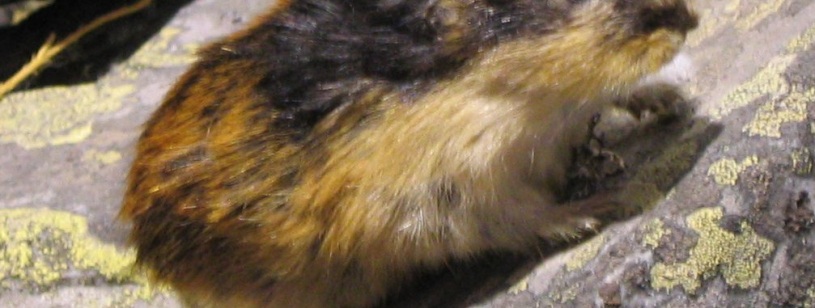
Norway lemming (Lemmus lemmus) on a rock. · Argus fin / Public domain ().
Lemmings are small, stocky rodents of the Arctic tundra and northern mountains. Their numbers soar every few years and then crash. This gave rise to the myth that lemmings throw themselves off cliffs en masse, a false story spread by a 1958 film.
Quick facts
| Common name | Lemming |
| Scientific name | Lemmini (tribe; genera Lemmus, Dicrostonyx and others) |
| Lifespan | About 1–2 years |
| Length | About 13–18 cm |
| Weight | About 23–34 g in many species; some are heavier |
| Diet | Herbivore: grasses, sedges, mosses |
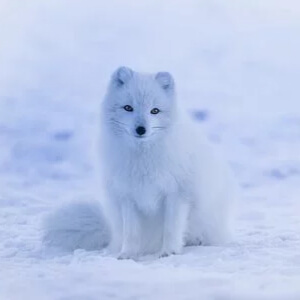
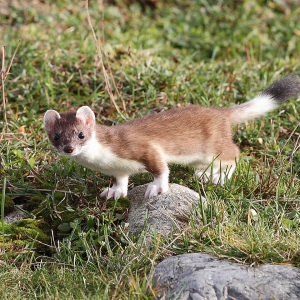
| Predators | Snowy owls, Arctic foxes, stoats, skuas |
| Conservation status | Least Concern (LC) for the main species |
| Distribution | Arctic regions of Europe, Asia and North America |
| Habitat | Tundra, alpine meadows, northern bogs |
| Family | Cricetidae |
| Reproduction | Very fast, several litters a year |
- Primary category:Rodents
- Explore this animal's categories:
Interesting facts
- Lemmings do not commit mass suicide; the myth was reinforced by a 1958 Disney documentary in which animals were pushed off a bank.
- The Norway lemming is the only mammal found only in Scandinavia and Finland.
- In winter, lemmings live and breed in tunnels under the snow.
- Some collared lemmings turn white in winter.
Characteristics
Lemmings have a rounded body, short legs, a very short tail and ears hidden in fur. Their dense coat suits the cold.
The Norway lemming is boldly patterned, with a black head and back and yellow-brown patches. Collared lemmings of North America and Siberia turn white in winter and grow larger front claws for digging in snow.
Behaviour
They are active day and night in short bouts of feeding and sleep and do not hibernate. In winter they tunnel under snow, where temperatures are milder.
In years with very high numbers, some lemmings move in search of food and space. They may cross rivers and lakes, and some drown. These are migrations, not suicides.
Habitat and distribution
Lemmings live in the tundra and mountains of northern Europe, Asia and North America, including Greenland.
They favour wet areas with sedges and mosses. The Norway lemming inhabits the mountains and tundra of Norway, Sweden, Finland and the Kola Peninsula.
Diet and feeding
Lemmings eat grasses, sedges, mosses and other low plants. In winter they gnaw stems and roots under the snow.
Because they breed fast and eat a lot, in peak years they can heavily reduce vegetation. Food shortage and predators then contribute to sudden population crashes.
Reproduction and life cycle
Lemmings breed very quickly. A female can have several litters a year, usually 4–8 young each.
Young grow fast and can breed within weeks. In good conditions, including under snow, a population can increase dozens of times in a year.
Name and history
The word “lemming” comes from Norwegian. The suicide myth is much older than the twentieth century, but it was reinforced by Disney’s 1958 film “White Wilderness”, where lemmings were deliberately pushed off a bank for filming.
Today, “like lemmings” describes people blindly following the crowd.
Conservation and threats
The main species are assessed as Least Concern. In some regions, however, cycles have become rarer as milder, wetter winters spoil the snow layer.
Lemmings are key prey for Arctic foxes, snowy owls and northern birds of prey. When lemmings are scarce, these predators also raise fewer young.
Frequently asked questions
Do lemmings commit suicide?
No. It is a myth. In peak years lemmings migrate, and some drown crossing water.
Where do lemmings live?
In the tundra and mountains of northern Europe, Asia and North America.
What do lemmings eat?
Grasses, sedges and mosses, including under snow in winter.
Why do lemming numbers vary so much?
They breed very fast, then crash because of food shortage and predators.