TaipanOxyuranus — habitat, diet and reproduction
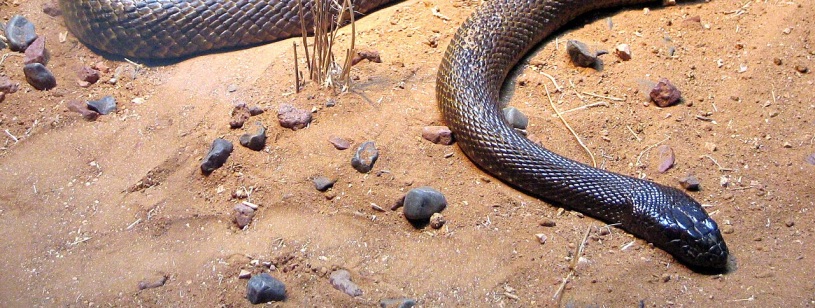
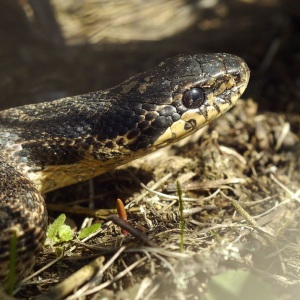
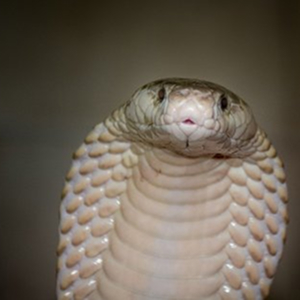
An inland taipan, Oxyuranus microlepidotus, photographed at Australia Zoo. · Photo by XLerate / CC BY-SA 3.0 (http://creativecommons.org/licenses/by-sa/3.0/). Cropped and resized.
Taipans are highly venomous snakes in the genus Oxyuranus, found in Australia and, for coastal taipans, southern New Guinea. Three species occupy different habitats: inland, coastal and western desert taipans. The photograph shows an inland taipan, Oxyuranus microlepidotus, known for extremely potent venom and a discreet life in sparsely populated country.
Quick facts
| Common name | Taipan |
| Scientific name | Oxyuranus — a genus with three species |
| Diet | Carnivore; mainly mammals, with differences between species |
| Conservation status | Assessed separately by species and region |
| Distribution | Australia; coastal taipans also in southern New Guinea |
| Habitat | From semi-arid plains to coastal woodland and grassland |
| Length | Around 2 m in inland and coastal taipans, with individual variation |
| Family | Elapidae |
| Reproduction | Egg laying |
| Activity | Mainly diurnal, influenced by temperature |
| Venom | Highly dangerous; any suspected bite is a medical emergency |
- Primary category:Types of snakes
- Explore this animal's categories:
Interesting facts
- Taipan describes a genus rather than one species.
- Inland taipans shelter in deep soil cracks.
- Coastal taipans also occur in southern New Guinea.
- Venom toxicity is different from the frequency of bites.
Characteristics
Taipans have elongated bodies and heads distinct from their necks. Colour ranges from pale to very dark brown depending on species, individual and season.
Inland taipans often have darker heads and necks, while coastal taipans can show a paler snout. Such clues are insufficient for safe identification. Inland and coastal species commonly reach around two metres, but western desert taipans have different dimensions, so one measurement cannot describe the entire genus.
Behaviour
Inland taipans are most active during the morning, basking and hunting near soil cracks before retreating to shelter. Coastal taipans are mainly diurnal but can alter activity in very hot conditions.
Temperature shapes access to food and exposure to overheating. These snakes can defend themselves when provoked or surprised at close range. Their venom’s reputation does not mean they seek confrontation, and distance is essential.
Habitat and distribution
Inland taipans inhabit semi-arid country in southwestern Queensland and northeastern South Australia. Deeply cracking soils provide shelter and access to small mammals.
Coastal taipans use wetter habitats across northern and eastern Australia and southern New Guinea, including woodland, grassland and agricultural areas with rodents. Western desert taipans inhabit arid western regions. These differences illustrate the variety of environments used by closely related snakes.
Diet and feeding
Mammals are the main prey. Inland taipans hunt rodents and other small mammals, often within burrows or soil crevices.
Coastal taipans also take birds. They may release bitten prey and follow its chemical trail, reducing the risk of injury from a rodent’s incisors. Rat populations fluctuate strongly in some regions, influencing feeding opportunities and snake body reserves. The predators are therefore linked to wider cycles of mammal abundance.
Reproduction and life cycle
Taipans lay eggs, with clutch size and breeding schedules varying by species, female condition and environment. Inland taipan clutches of around 11–20 eggs are described; that figure should not be applied to every taipan.
Young emerge fully formed and must find their own food. Their venom apparatus already functions, so a small hatchling should never be considered suitable for handling or capture.
Name and history
The word taipan comes from the Wik-mungkan people of Cape York and originally referred to the coastal species. It now appears in the common names of all three species.
Their scientific names are Oxyuranus scutellatus, Oxyuranus microlepidotus and Oxyuranus temporalis, the last described in 2007. The inland species’ reputation comes from laboratory measures of venom toxicity, which do not rank the number of human bites or deaths.
Conservation and threats
Conservation assessments must be considered separately for each species and region. Preserving habitat and natural shelters supports their ecological role as predators.
Avoiding contact protects both people and snakes. An observed taipan should not be pursued or captured for identification. Any suspected bite requires immediate medical attention even if early signs seem minor. Keep the person as still as possible; wound cutting and improvised tourniquets can worsen the situation.
Frequently asked questions
How many taipan species are there?
Oxyuranus contains three species: coastal, inland and western desert taipans.
Do all taipans live in deserts?
No. Coastal taipans also use woodland, grassland and other wetter habitats.
Does the most toxic venom mean the most victims?
No. Risk also depends on human encounters, behaviour and access to treatment.
Do taipans give birth to live young?
No. They lay eggs that hatch into independent young.