LynxInteresting facts and information
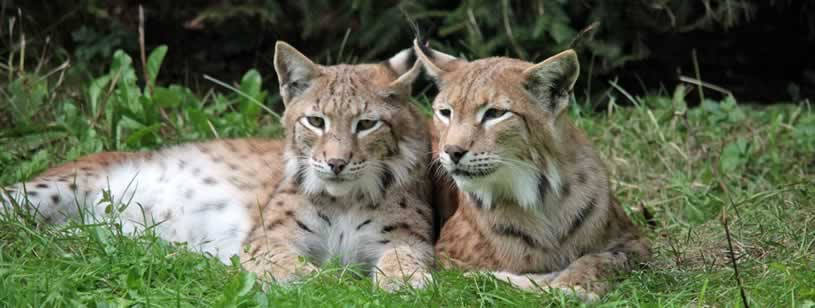
Lynxes are wild cats in the genus Lynx. They have short tails, tufted ears and long legs. The four species — the Eurasian lynx, Iberian lynx, Canada lynx and bobcat — differ in their ranges, prey and conservation needs.
Lynxes are mostly solitary hunters that rely on stealth and surprise. They live in forests, mountains and scrubland across Europe, Asia and North America.
Quick facts
| Common name | Lynx |
| Scientific name | Genus Lynx (Lynx lynx, Lynx pardinus, Lynx canadensis, Lynx rufus) |
| Typical lifespan | 10-15 years in the wild, up to about 25 years in captivity |
| Maximum speed | Fast in short bursts; not built for long chases |
| Height | About 45-75 cm at the shoulder, depending on the species |
| Length | About 70-130 cm, plus a 10-20 cm tail |
| Weight | About 6-30 kg, depending on the species and sex |
| Diet type | Carnivore (hares, rabbits, rodents, birds, deer) |
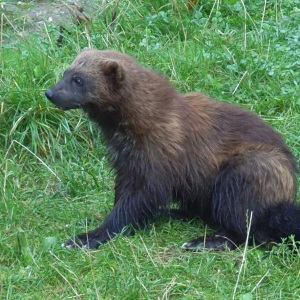
| Main predators | Adults have few: wolves, bears, wolverines and humans; kittens are also taken by eagles and owls |
| Conservation status | Eurasian lynx, Canada lynx and bobcat Least Concern; Iberian lynx Vulnerable (IUCN 2024) |
| Distribution | North America, Europe, Asia |
| Living environment | Temperate forests, taiga, mountains, scrubland |
- Primary category:Mammals
- Explore this animal's categories:Animals of AsiaAnimals of EuropeAnimals of North AmericaAnimals of RomaniaAnimals of Romania’s forestsCamouflaged animalsCarnivoresFelidsForest animalsFurry animalsLLive-bearing animalsMammalsMammals of RomaniaMountain animalsMountain animals of RomaniaPredatory animals of RomaniaProtected animals of RomaniaSpotted animalsVertebratesWild animals
Interesting facts
- Lynxes find prey mainly by sight and hearing. Their famous ear tufts may help with hearing or communication, but their exact role is still uncertain.
- Excellent night vision - Their eyes work well in very dim light, which helps them hunt at dusk and at night.
- Canada lynxes have broad, furred paws that help them move over snow.
- The Iberian lynx has recovered substantially through conservation work. IUCN moved it from Endangered to Vulnerable in 2024, after its numbers rose from fewer than 100 in 2002 to more than 2,000.
- Powerful pounce - A lynx can leap several metres to catch its prey by surprise.
- Quiet footprints - Because their claws are pulled in when they walk and their paws are furry, lynx tracks show no claw marks, and the cats move almost silently.
Records and remarkable features
- Lynxes are wild cats in the genus Lynx. They have short tails and tufted ears. The Eurasian lynx, Iberian lynx, Canada lynx and bobcat differ in their ranges, prey and conservation needs.
- The Eurasian lynx is the largest of the four and the third-largest predator in Europe, after the brown bear and the wolf.
Physical characteristics and adaptations
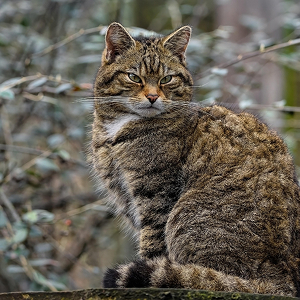
The lynx is an agile, well-camouflaged predator, with physical adaptations that make it a very effective hunter in temperate and northern forests.
Essential physical adaptations
- Thick fur - The lynx has very dense fur, especially in species from cold regions, where the winter coat protects it from frost.
- Wide, furry paws - Work like snowshoes, so the lynx can walk on deep snow without sinking.
- The ears carry distinctive tufts of black hair; their exact role is still debated.
- A short tail with a black tip - Unlike most cats, the lynx has a short, "bobbed" tail.
- Good camouflage - Its fur is marked with spots and stripes that help it hide in vegetation.
- Retractable claws - Sharp and strong, used to grab and hold prey.
- Powerful hind legs - Allow long leaps and sudden attacks.
Habits and behaviour
The lynx is a solitary, territorial animal that spends most of its time hunting or patrolling its territory.
Way of life
- It is mainly active at dusk and at night.
- It patrols a large home range, which for the Eurasian lynx is often 100-400 km² or more, depending on the region and food supply.
- Scent marking - It marks its territory with urine and scratch marks on trees.
- It avoids people and other large predators and is very secretive.
Hunting techniques
- Stalking and pouncing - It creeps close to its prey and then attacks with an explosive rush.
- Ambushes - It hides in vegetation or on rocks and waits for prey to come close.
- A wide range of prey - Depending on the species, lynxes hunt anything from mice and hares to roe deer and chamois.
- Short chases - Lynxes rely on surprise; if the first rush fails, they rarely chase prey for long.
Social interactions
- Lynxes live alone, except during the mating season and while females raise their kittens.
- The home ranges of males often overlap with those of several females.
- The kittens stay with their mother for about 10 months, learning to hunt.
Habitat and geographic distribution
The lynx is an adaptable cat that lives in many habitats, from dense forests to mountains and scrubland.
Species distribution
| Region | Species present |
|---|---|
| Europe | Eurasian lynx (Lynx lynx), Iberian lynx (Lynx pardinus) |
| North America | Canada lynx (Lynx canadensis), bobcat (Lynx rufus) |
| Asia | Eurasian lynx (Lynx lynx) |
Habitats
- Coniferous and deciduous forests - Ideal habitats, offering cover and plenty of prey.
- Mountains - The Eurasian lynx lives in mountain ranges such as the Carpathians, the Alps and the Himalayas.
- Boreal forest (taiga) - The Canada lynx is adapted to the cold northern forests of North America.
- Mediterranean scrubland - The Iberian lynx lives in scrub and open woodland in Spain and Portugal.
Threats to their habitat
- Deforestation reduces lynx habitat and brings lynxes into conflict with people.
- Falling numbers of hares, rabbits and deer reduce the lynx's food supply.
- Isolated populations - The Iberian lynx came close to extinction because of habitat loss and the collapse of rabbit populations.
Diet and feeding
The lynx is a carnivore. Its diet depends on the species: some specialise in hares or rabbits, while the Eurasian lynx can kill deer much larger than itself.
What do lynxes eat?
| Type of food | Examples |
|---|---|
| Rodents | Mice, voles, squirrels, marmots |
| Hares and rabbits | Snowshoe hares (the main prey of the Canada lynx), European rabbits (the main prey of the Iberian lynx), brown hares |
| Deer and other hoofed animals | Roe deer, chamois, young red deer (mainly hunted by the Eurasian lynx) |
| Birds | Grouse, partridges, pheasants |
| Reptiles and amphibians | Snakes, lizards, frogs (occasionally) |
Feeding methods
- Stalking - It creeps close to its prey and attacks at lightning speed.
- Careful approach - It uses every bush and rock as cover, getting within a few metres before it pounces.
- Ambush hunting — a lynx may wait near routes used by prey.
- Food storage - If the prey is too large to eat at once, the lynx covers it with snow or leaves and returns to it over several days.
Reproduction and life cycle
Lynxes breed once a year, and the kittens are raised by the female alone.
Breeding season
- Mating usually takes place between February and April.
- Males travel widely to find females and may compete with other males.
- The pair stays together only for a few days, after which the male leaves.
Pregnancy and birth
| Feature | Details |
|---|---|
| Pregnancy | About 60-75 days |
| Kittens per litter | Usually 1-4; Canada lynxes can have more in years with plenty of hares |
| Weight at birth | About 250-400 g in the Eurasian lynx |
| Nursing period | About 3-5 months |
Raising the kittens
- The kittens are born blind and depend completely on their mother; their eyes open after about 10-12 days.
- At about 1-2 months old, they start eating meat that their mother brings, and later they follow her on hunting trips.
- They stay with their mother until they are about 10-12 months old, learning to hunt.
- After that, they leave to find their own territory.
Survival rate
- Many kittens die in their first year, especially when prey is scarce.
- Lynxes that survive can live 10-15 years in the wild and up to about 25 years in captivity.
Name and history
Origin of the name
- The word "lynx" comes, through Latin, from the Greek lynx, probably linked to a root meaning "light" or "brightness", after the cat's shining eyes.
- In Romanian, the lynx is called râs.
Taxonomic classification
| Classification | Name |
|---|---|
| Kingdom | Animalia |
| Phylum | Chordata |
| Class | Mammalia |
| Order | Carnivora |
| Family | Felidae |
| Genus | Lynx |
Evolution and fossils
- The extinct Issoire lynx (Lynx issiodorensis), which lived about 2-4 million years ago, is thought to be the ancestor of today's lynxes.
- Over time, lynxes spread across Eurasia and into North America, where the bobcat and the Canada lynx evolved.
Cultural significance and mythology
- Sharp sight - Since ancient times, the lynx has been a symbol of keen eyesight, and "lynx-eyed" means able to see very clearly.
- The Academy of the Lynxes - Founded in Rome in 1603, the Accademia dei Lincei, one of the oldest scientific academies in the world, was named after the lynx; Galileo Galilei was one of its members.
- A constellation - The astronomer Johannes Hevelius named the faint constellation Lynx in the 1680s, saying that you need the eyes of a lynx to see it.
Conservation status and threats
The situation of lynxes differs between species: some populations are stable, while others are still at risk.
Conservation status
| Species | IUCN status | Notes |
|---|---|---|
| Eurasian lynx (Lynx lynx) | Least Concern | Widespread in Asia; some European populations are small and isolated |
| Canada lynx (Lynx canadensis) | Least Concern | Numbers rise and fall with snowshoe hare cycles |
| Bobcat (Lynx rufus) | Least Concern | Common and widespread in North America, with millions of animals |
| Iberian lynx (Lynx pardinus) | Vulnerable (IUCN reassessment in 2024) | More than 2,000 animals in Spain and Portugal, up from fewer than 100 in 2002 |
Main threats
- Habitat destruction - Deforestation and spreading towns reduce lynx territory.
- Fewer prey animals - The Iberian lynx was badly affected by the decline of the European rabbit, its main food, caused by disease.
- Poaching - Lynxes have long been hunted for their valuable fur, and some are still killed illegally.
- Road accidents - In Spain and other parts of Europe, many lynxes are killed on roads.
- Genetic isolation - Small populations have low genetic diversity, which makes them more vulnerable to disease.
Protection measures
- Captive breeding and reintroduction programmes have helped restore Iberian lynx populations in Spain and Portugal.
- Wildlife corridors and road crossings - Connect isolated populations and reduce road deaths.
- GPS monitoring - Some lynxes wear tracking collars that help scientists study their behaviour.
- Protection against illegal killing depends on the species and jurisdiction.
In popular culture
- Lynx (2022) - A French nature documentary by Laurent Geslin that follows a family of wild lynxes in the Jura Mountains.
- Atari Lynx (1989) - One of the first handheld video game consoles with a colour screen was named after the lynx.
- Lynx (Axe) - In the UK, Ireland and Australia, the Axe range of men's toiletries is sold under the name Lynx.